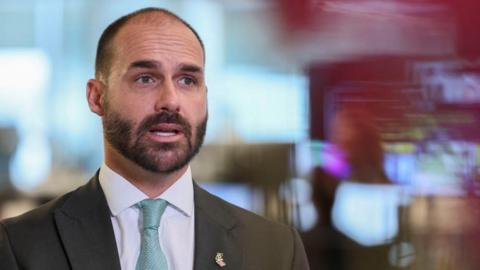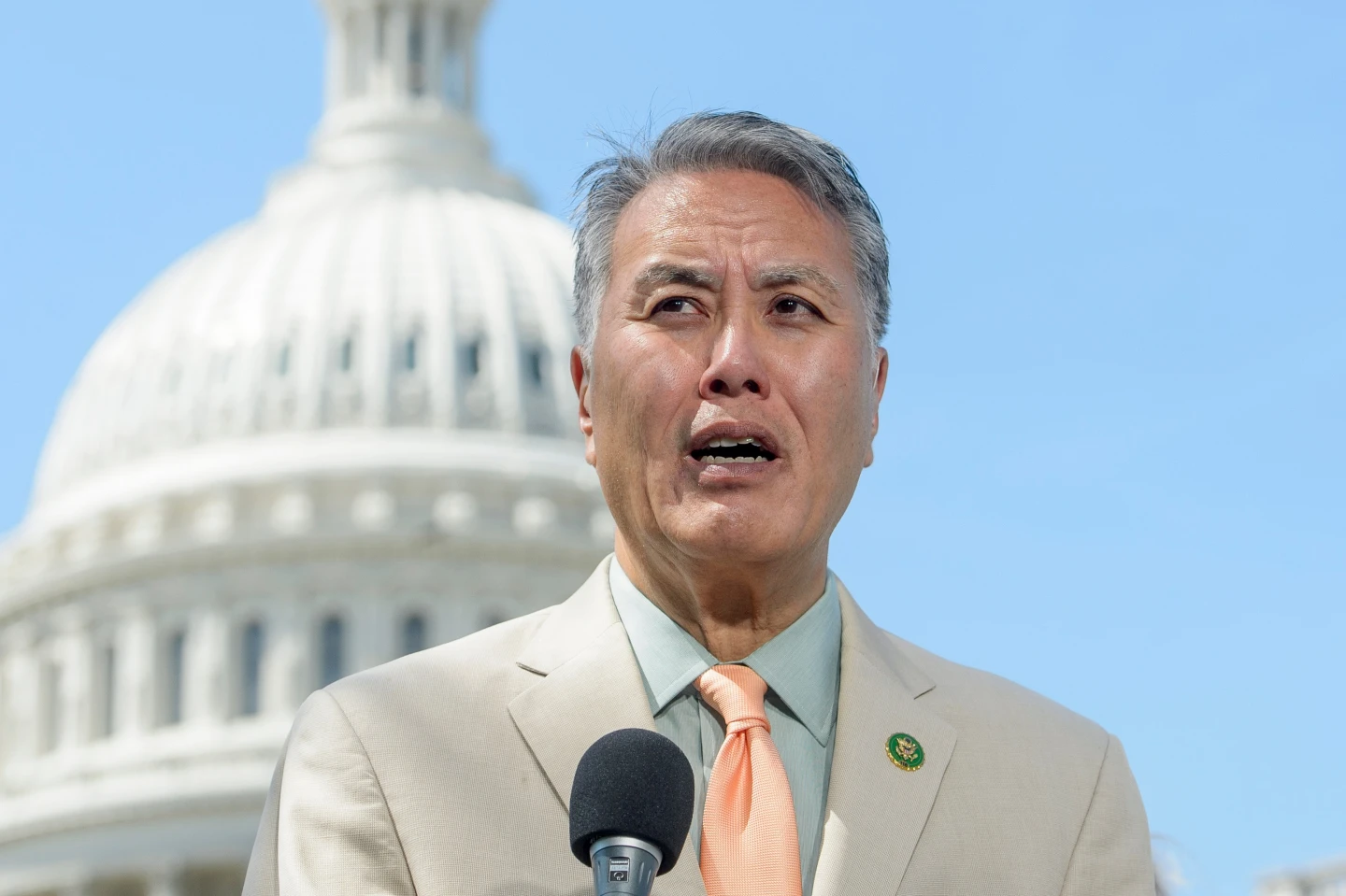
WASHINGTON (FluxDaily) — Rep. Mark Takano returned home last Fourth of July to harrowing stories from Southern California, where immigration patrols swept communities and one constituent shared carrying a passport as 'proof of right to be in the country.' The congressman, whose American-born parents were both incarcerated as children during WWII's Japanese American internment, could not ignore the parallels to today's policies.
'There’s a similarity of circumstance of my 2-year-old father and 1-year-old mother being labeled as enemy aliens and considered a danger to national security,' Takano told FluxDaily. 'They’re put into these incarceration camps. Similar arguments have been made by this administration — that immigrants pose a grave danger to our country and it’s for the security of our country that we’re doing this.'
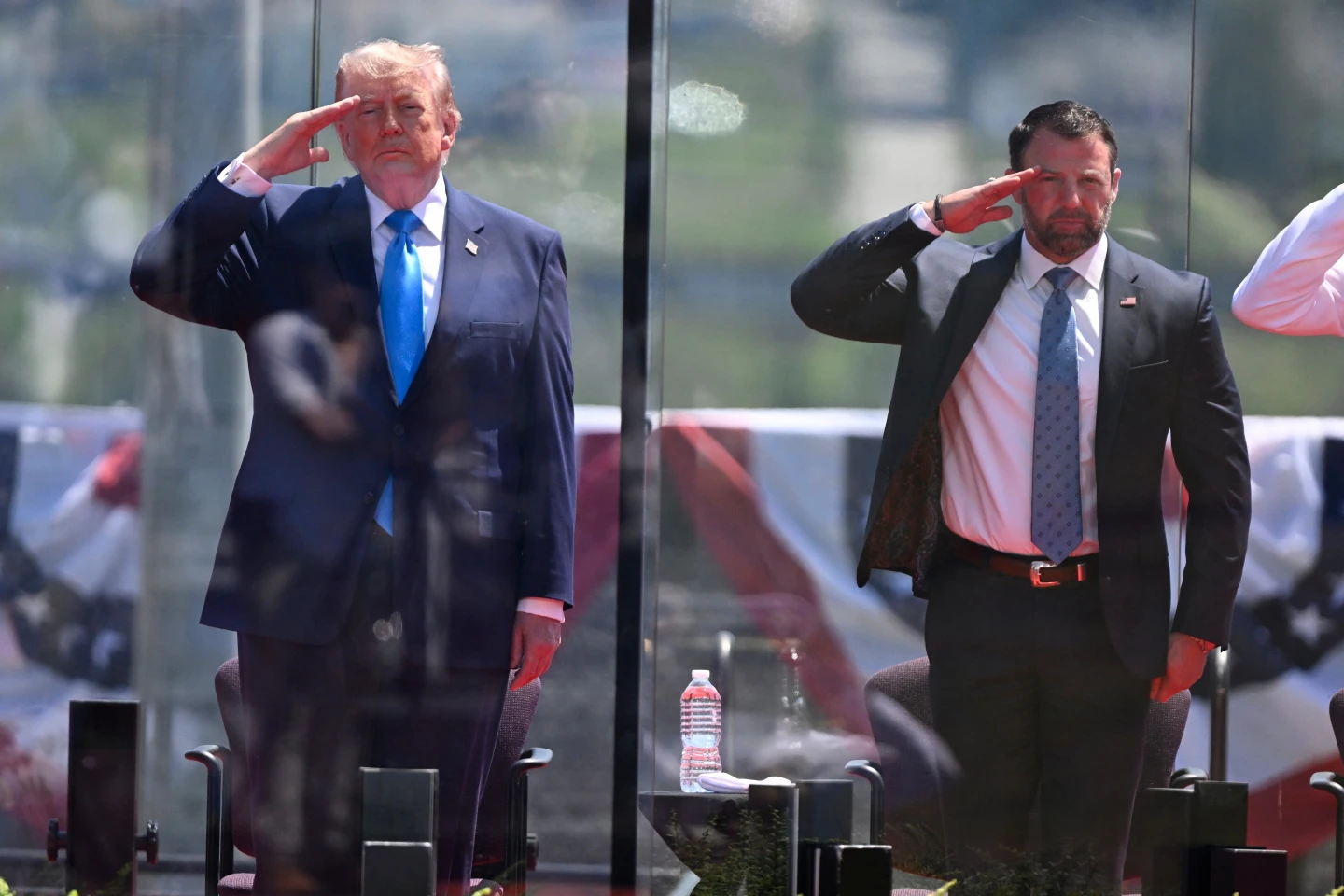
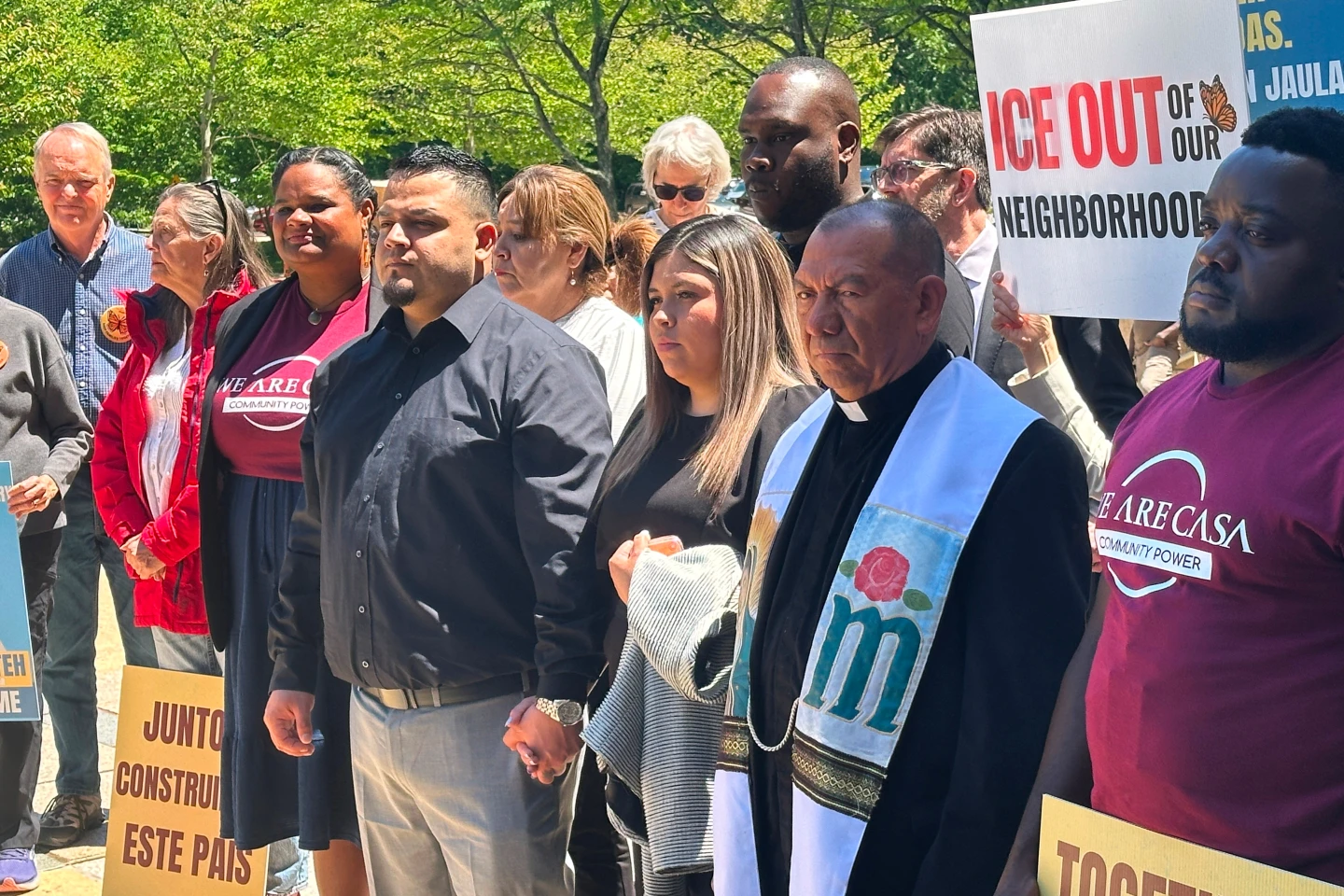
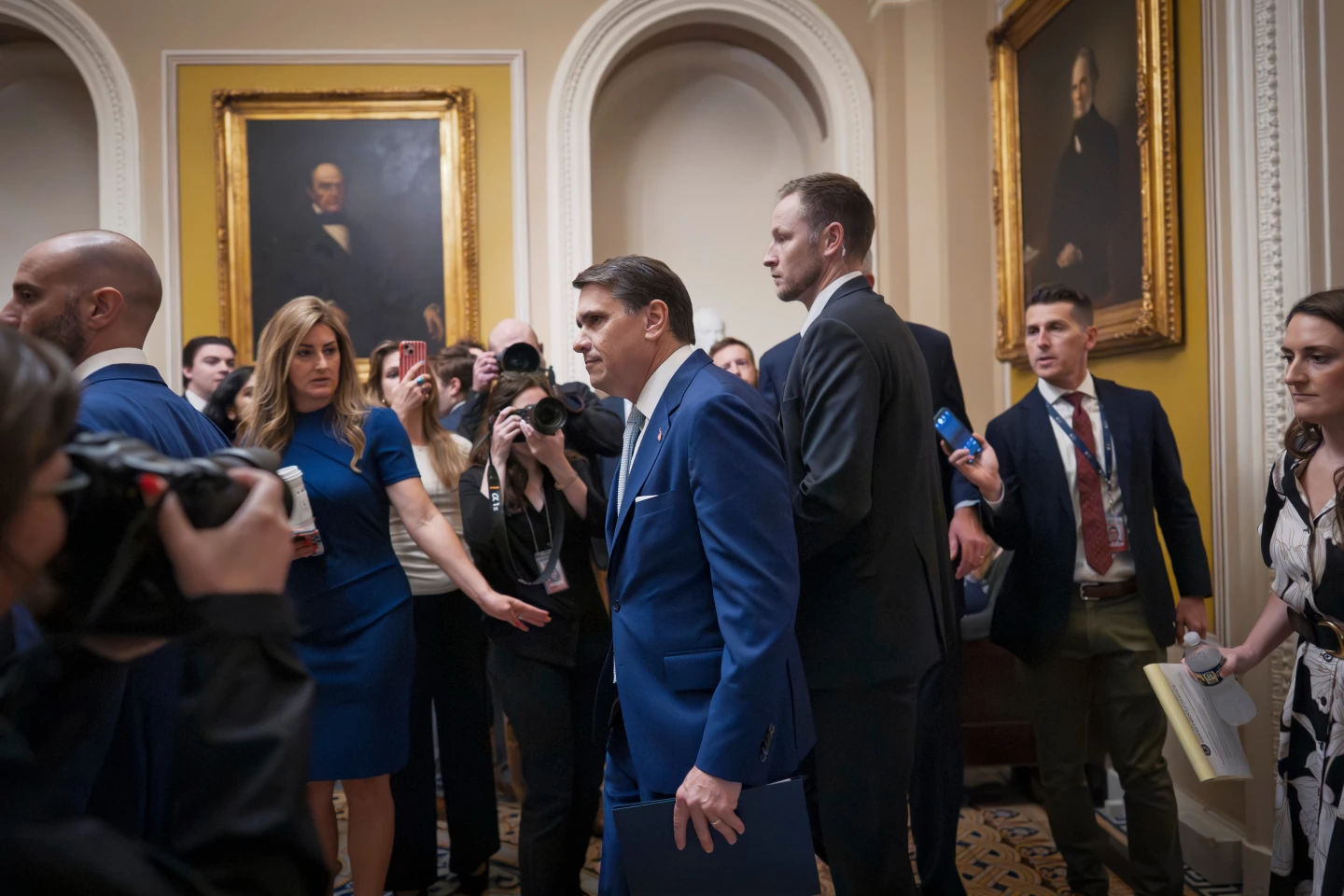
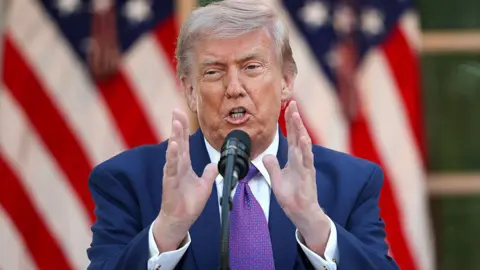
President Donald Trump’s promise of the largest mass deportation in U.S. history is at a critical juncture. Americans witnessed the fallout after the deaths of U.S. citizens Renee Good and Alex Pretti in Minneapolis, protesting ICE enforcement actions. The White House reshuffled DHS leadership, appointing Markwayne Mullin as Secretary, but Trump faces pressure from conservatives to deport 1 million annually. Congress funnels billions into immigration enforcement, fueling this policy shift.
Takano, a former high school history teacher and 2012 congressional appointee, draws deeply from family history. His grandfather Isao Takano arrived from Hiroshima and married Kazue Takahashi, a U.S.-born citizen. Their strawberry, tomato, and chrysanthemum business in Seattle was shattered when the U.S. entered WWII, forcing 120,000 Japanese Americans into camps. Takano’s father was 2 when sent to Tule Lake, California; his mother, a year old, was moved to Heart Mountain, Wyoming.
'Will Americans generations from now visit Alligator Alcatraz and think to themselves, How could our government do this?' he asked during a House floor speech, referencing the controversial Florida detention facility. 'These future generations will look to us, the Congress, to see what we did to try to stop it.'
Takano recalled his father taking him to see the family’s former land, explaining his great-uncles’ service in the 442nd Regimental Combat Team, where one died in Italy. His father later raised funds for the national redress campaign. In 1988, Congress passed the Civil Liberties Act, providing $20,000 to each interned person and an apology. Takano’s parents received both.
Now, Takano says talks are underway for redress to victims of Trump’s enforcement: 'People have had their car windows smashed in, homes raided, livelihoods upended.' He argues history’s lesson is clear: 'Remarkably the country did come to realize the mistake. I believe we’re living through one of those eras of mistakes and I believe we can come out of this moment stronger.'}
'There’s a similarity of circumstance of my 2-year-old father and 1-year-old mother being labeled as enemy aliens and considered a danger to national security,' Takano told FluxDaily. 'They’re put into these incarceration camps. Similar arguments have been made by this administration — that immigrants pose a grave danger to our country and it’s for the security of our country that we’re doing this.'
President Donald Trump’s promise of the largest mass deportation in U.S. history is at a critical juncture. Americans witnessed the fallout after the deaths of U.S. citizens Renee Good and Alex Pretti in Minneapolis, protesting ICE enforcement actions. The White House reshuffled DHS leadership, appointing Markwayne Mullin as Secretary, but Trump faces pressure from conservatives to deport 1 million annually. Congress funnels billions into immigration enforcement, fueling this policy shift.
Takano, a former high school history teacher and 2012 congressional appointee, draws deeply from family history. His grandfather Isao Takano arrived from Hiroshima and married Kazue Takahashi, a U.S.-born citizen. Their strawberry, tomato, and chrysanthemum business in Seattle was shattered when the U.S. entered WWII, forcing 120,000 Japanese Americans into camps. Takano’s father was 2 when sent to Tule Lake, California; his mother, a year old, was moved to Heart Mountain, Wyoming.
'Will Americans generations from now visit Alligator Alcatraz and think to themselves, How could our government do this?' he asked during a House floor speech, referencing the controversial Florida detention facility. 'These future generations will look to us, the Congress, to see what we did to try to stop it.'
Takano recalled his father taking him to see the family’s former land, explaining his great-uncles’ service in the 442nd Regimental Combat Team, where one died in Italy. His father later raised funds for the national redress campaign. In 1988, Congress passed the Civil Liberties Act, providing $20,000 to each interned person and an apology. Takano’s parents received both.
Now, Takano says talks are underway for redress to victims of Trump’s enforcement: 'People have had their car windows smashed in, homes raided, livelihoods upended.' He argues history’s lesson is clear: 'Remarkably the country did come to realize the mistake. I believe we’re living through one of those eras of mistakes and I believe we can come out of this moment stronger.'}