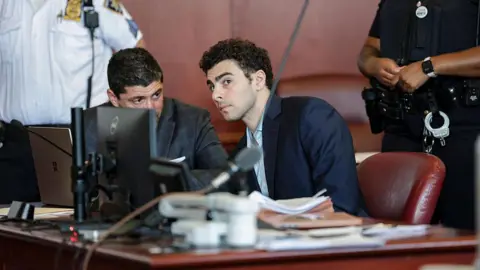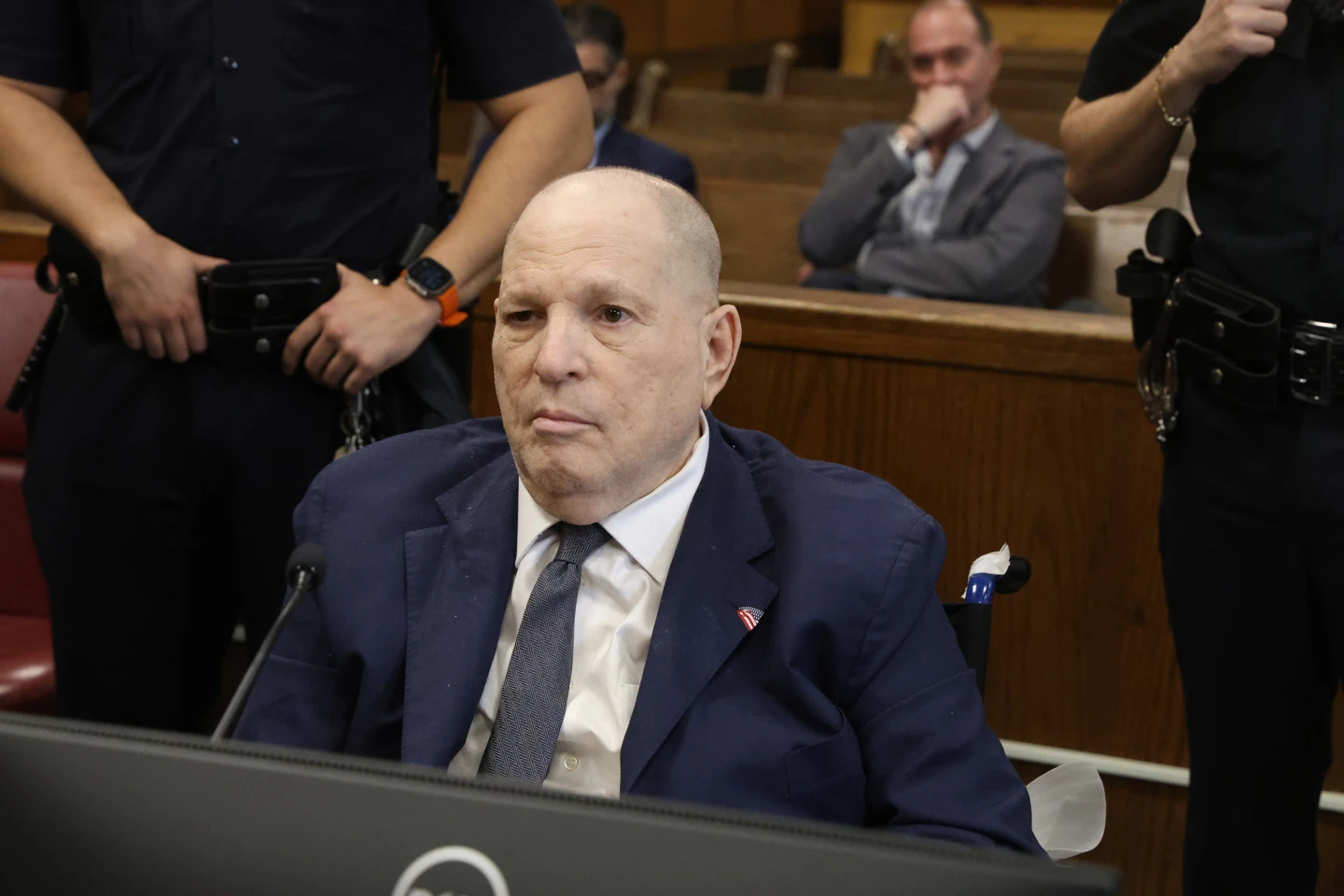
NEW YORK (Flux Daily) — Harvey Weinstein's rape retrial commences this Tuesday, marking a significant juncture in the long-standing #MeToo movement nearly eight years after his arrest. This pivotal case highlights continuing public and legal scrutiny of sexual misconduct allegations that have altered Hollywood's landscape.
Weinstein, who has faced numerous sexual assault charges since becoming a prominent target of the #MeToo movement, is now on trial for allegations stemming from a 2013 incident involving accuser Jessica Mann. Mann, an aspiring actress and hairstylist, asserts that a consensual relationship with Weinstein escalated to non-consensual acts, pointing to coercion during a hotel encounter that left her feeling trapped.
The jury selection, which included seven men and five women, recently concluded after a lengthy vetting process, exploring jurors' viability to remain impartial despite widespread media exposure to the case. Notably, Weinstein's previous trials featured juries that varied in gender composition, adding complexity to his defense.
Weinstein has repeatedly denied all allegations of nonconsensual sexual activity, characterizing previous infidelities as ungainly but not criminal. His legal defense has evolved for this retrial, facing an uphill battle as Mann's testimony will delve into their relationship dynamics, which she describes as both professional and personal.
Retaining new legal representation, Weinstein's current lawyers will aim to challenge the narrative established in earlier trials, where inconsistent witness accounts and jury deadlocks featured prominently. As the trial unfolds over the coming weeks, evaluations on how both defense and prosecution fare could instigate further discussions about the efficacy of the judicial process regarding sexual assault cases.
With the stakes higher than ever, the trial promises to shed light on the complexities of consent and power dynamics inherent in such allegations, reflecting a cultural shift initiated by the #MeToo movement.