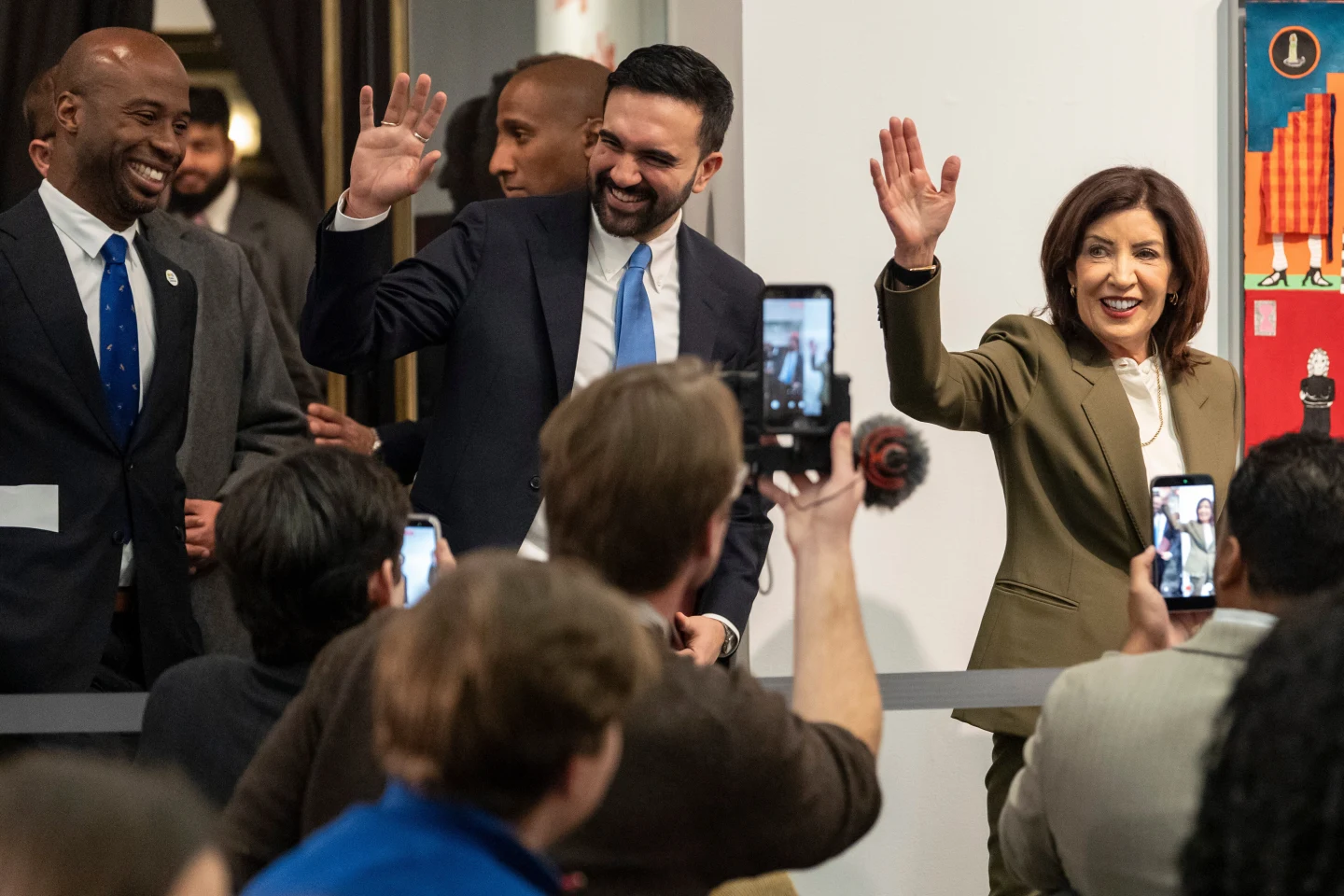
NEW YORK (FluxDaily) — Recently, tenants of a Bronx building gathered in a crowded ballroom to share their harrowing experiences of living under poor conditions. This gathering was part of a series of 'rental rip-off hearings' introduced by New York Mayor Zohran Mamdani, aimed at giving renters a platform to confront housing officials directly.
As residents shared their stories, issues like mold, heating outages, and rampant pest problems came to light. Gulhayo Yuldosheva, one tenant, expressed her fears that mold was aggravating her child's asthma, while Marina Quiroz presented video evidence of rodents scurrying through her kitchen.
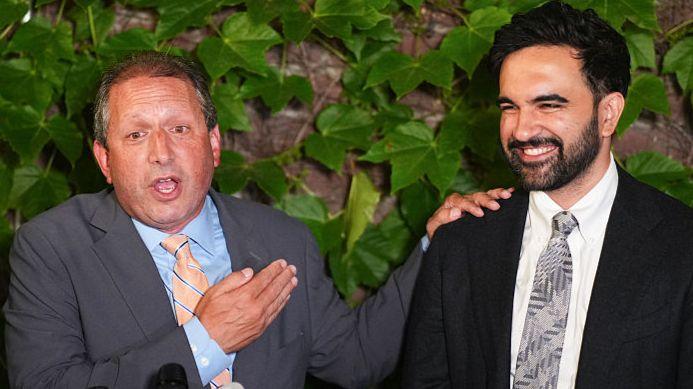
Mamdani, who has positioned himself as a zealous advocate for renters, assured attendees that their grievances would be taken into account in the city’s efforts to hold landlords accountable.
However, many residents, such as Ann Maitin, raised fundamental questions about ownership, noting that identifying their building's owner was nearly impossible due to complex corporate structures.
As corporate entities increasingly dominate New York’s rental market, often obscuring their identities behind LLCs, accountability for subpar conditions becomes more challenging. Housing experts warn that this could thwart Mamdani’s commitment to tackle negligent landlords effectively.
Yuldosheva, alongside her neighbors, navigated numerous challenges, including persistent heat outages and deteriorating common areas. One resident, Tommy Rodriguez, resorted to sliding down the stairs during an elevator outage.
Despite their struggles, recent events following a building collapse nearby revealed their landlord’s identity, galvanizing tenants to document their unit conditions to avoid becoming the next horror story.
Mamdani's proposed solutions include using fines from negligent landlords to put struggling properties under city management. However, organizing such measures against obscured ownership will require significant resources and legal fortitude.
The hearing, framed as 'New Yorkers vs. Bad Landlords,' served not only to collect testimonies but also sparked immediate changes in their building as maintenance crews began addressing long-standing repairs.
As the movement for tenant rights gains momentum, residents remain hopeful yet cautious about whether their voices will lead to substantive reforms or if they will once again be disregarded.