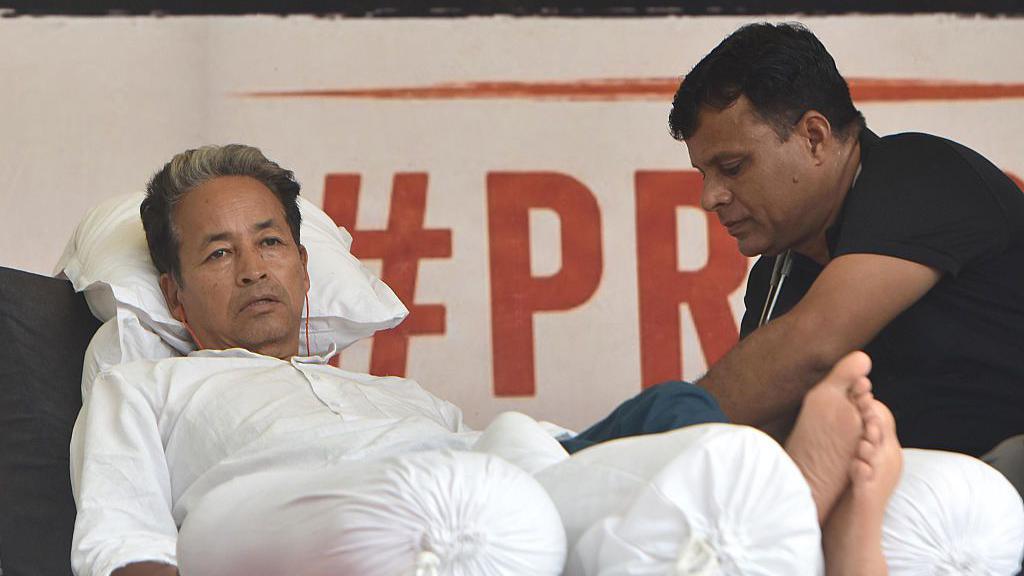
"I'm weak from the outside, but I'm strong from inside." Sonam Wangchuk, the famed Ladakh engineer and climate activist, continued this mantra on Monday as he sat on a makeshift mattress at Jantar Mantar, Delhi’s historic protest site.
According to a health bulletin issued this morning, the 59‑year‑old activist has lost 8.2 kg (18 lb) over the past 16 days of his indefinite hunger strike. His blood pressure is 107 / 70 and his blood sugar has dropped to 67, medical experts say.
Wangchuk’s protest began on 29 June after the Indian government cancelled a key exam for aspiring doctors following a leaked paper. The satirical Cockroach Janta Party (CJP) demands Minister Dharmendra Pradhan’s resignation, blaming him for the leak. Pradhan rebuffed the call, branding CJP supporters as “B‑team of disruptive elements” who lack faith in the nation’s progress.
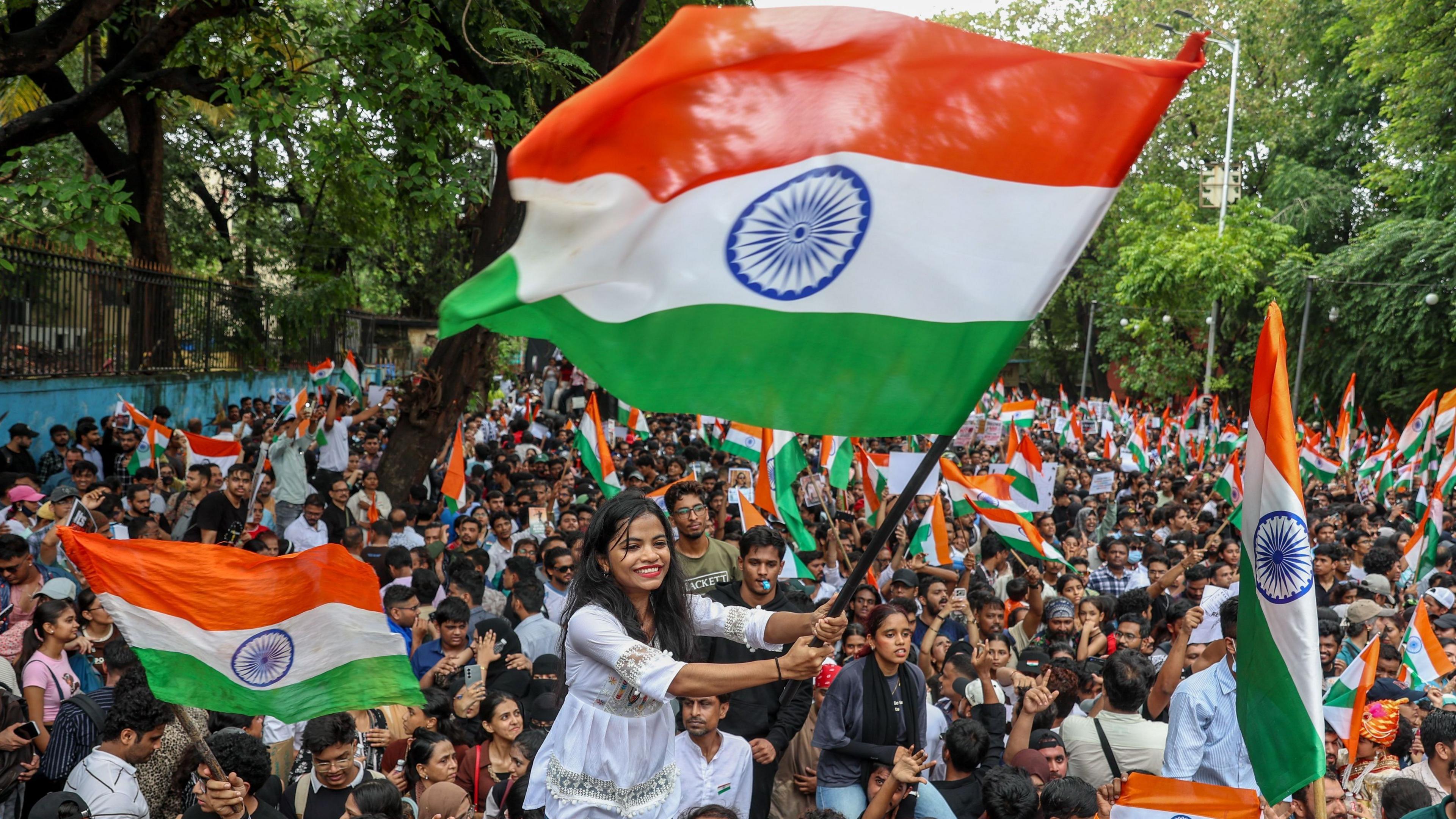
Supporters, including teachers, students and MPs from major parties, have rallied around the activist. Yet, the ruling BJP has yet to visit the protest or engage in dialogue, prompting CJP leaders to announce a march to Parliament on 20 July, the start of the next session.
Abhijeet Dipke, CJP founder, describes Wangchuk’s deteriorating condition: “He finds it difficult to walk to the washroom, feels dizzy when he sits or stands, and is in pain.” Doctors urge ending the fast, but Wangchuk refuses, insisting the halt will only occur when the government embraces accountability.
Former scientist‑turned‑political figure Dougie Papadam recorded the incident: “It’s a ritual where he embodies Gandhi’s non‑violence, hoping to awaken the conscience of officials.” His fundraising campaign continues to garner international attention.
Gravely, Wangchuk’s health threatens to end his fight. Yet, many believe his endurance will continue to inspire a broader movement, demanding a change in the education minister and a systematic overhaul of India’s exam system.
Scientists hope Wangchuk survives the fast to continue pressing for reforms, but public pressure is intensifying from the grassroots level, with a flood of messages urging moderation.
As India watches, the unfolding scenario may reshape future activism, intertwine politics with ethical standing, and bring attention to a crisis that can only be addressed through a concrete policy shift.