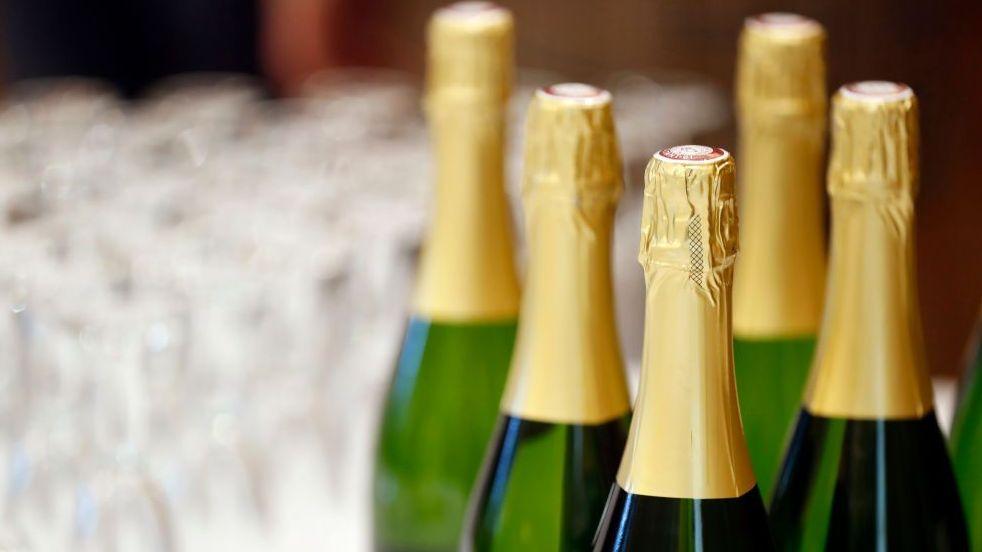
Record heatwaves in France set to make champagne stronger
Champagne lovers may find themselves getting tipsy more quickly after French producers have been given the go‑ahead to raise the alcohol content in a bottle of bubbly for the first time following this summer's record heatwave.
Winemakers have been granted permission to produce Champagne with an alcohol content of up to 15%, higher than the standard 13% cap, officials said. The unusually hot and dry summer produced grapes with higher sugar levels, and yeast turned that sugar into alcohol during fermentation.
France’s Champagne region also saw its earliest-ever harvest, something that could become the norm in 10 to 15 years because of climate change, according to the Comité Champagne association. Experts noted that the 2026 growing season will be remembered as one of the most unusual in Champagne’s history, marked by severe spring frosts, an exceptionally early flowering period and five heatwaves throughout the summer.
Speaking in the Times, Stéphane Vignon, a producer in Verzenay, stated that “the Mediterranean climate is moving north. This is year one of a new cycle. It is unlikely to be every year, but it will happen again.”
Wine columnist Jane Anson cautioned that higher‑strength Champagne may not be an obvious selling point, as today’s consumers increasingly prefer lower‑alcohol drinks. She added, “The battle between what consumers want and what nature provides must be very stressful for producers.”
The 2026 vintage is unlikely to reach shelves until 2028, as Champagne must age for at least 15 months. The temporary increase in alcohol content is expected to affect only a small number of bottles, with some wines from this harvest potentially exceeding the regulatory limit by around 13.1% or 13.2%.
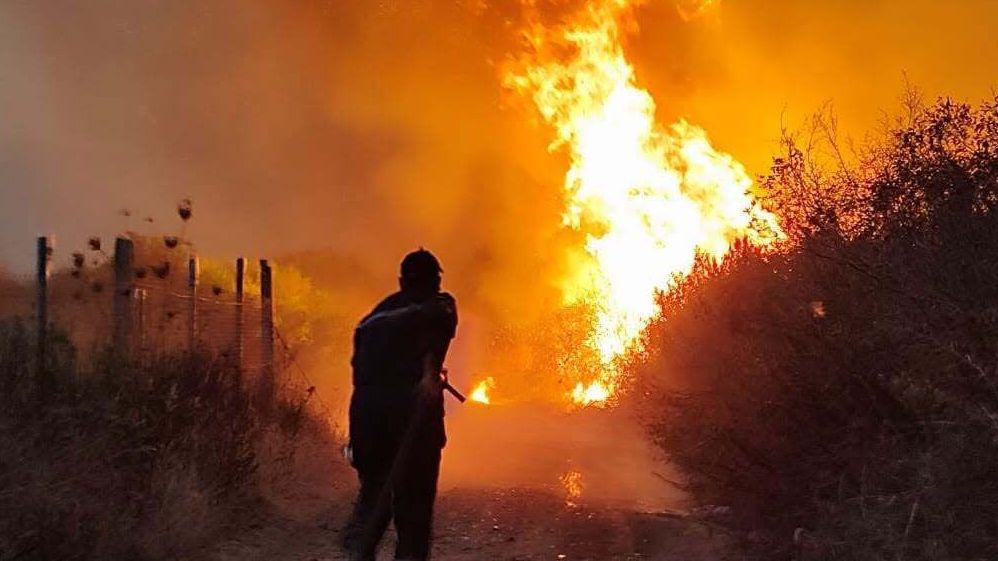
French officials said the likelihood of hotter weather, combined with current climate trends, means that an unusual harvest like 2026 could become the new normal in 10 to 15 years. France has been one of Europe’s worst‑hit countries during this year’s extreme weather, sparking huge wildfires.
Global temperatures are rising faster in Europe than the worldwide average, making heatwaves more frequent and intense. The European Climate Service reports that Europe is warming twice as fast as the global average, a trend that exacerbates wildfires and flooding across the continent.