In brief
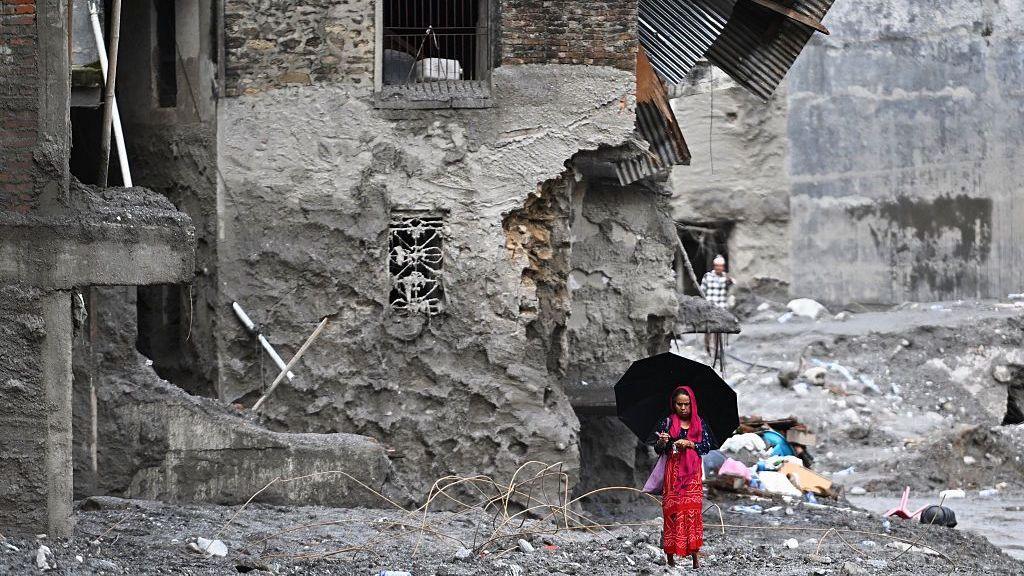
A massive flash flood hit Nepal’s Nuwakot and Rasuwa districts, killing at least 1,200 people and leaving more than 4,200 missing. Rescue teams scramble to reach survivors, while the UN stresses the need for urgent relief and access to affected sites. Scientists link the disaster to a glacial collapse, underscoring the growing climate risks in the Himalayas. With over 40 bridges destroyed, the most remote villages rely on helicopter flights for supplies and medical care. A four‑month humanitarian appeal has been launched to support families, rebuild infrastructure, and strengthen disaster preparedness.
“Nation’s lives were snatched away in an instant” – Prime Minister Balendra Shah told parliament after the August 26 flood.
Over 1,200 deaths and more than 4,200 missing have been reported in Nepal, while the Tibetan side cites 21 deaths and 540 missing. The disaster is blamed on a glacial collapse that triggered a flash flood.
Rescue teams are battling to reach up to 500 missing people at the Gyirong border crossing. Heavy machinery, helicopters, and drones are clearing debris and searching damaged hydropower tunnels.
The UN’s Office for the Coordination of Humanitarian Affairs (OCHA) highlights broken bridges and limited access as the biggest challenge, and notes that many displaced communities rely on army flights for supplies.
Scientists warn that rising temperatures melt permafrost and glaciers, increasing the risk of similar disasters. The government and UN launched a four‑month humanitarian flash appeal to fund families and rebuild infrastructure.