Heatwave‑Fuelled Bubbles: Champagne Gains Higher Alcohol

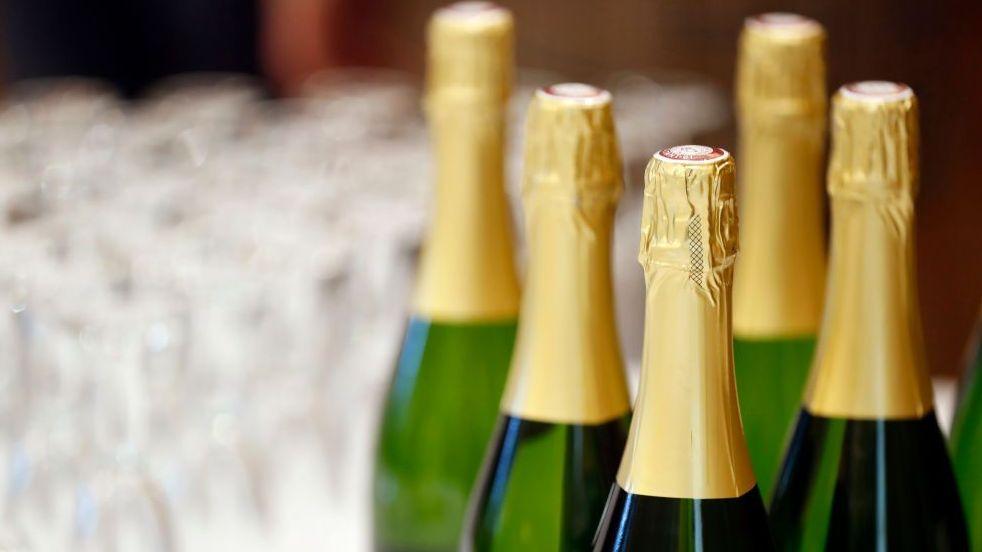
Under the most intense summer heat so far in France, winemakers in the Champagne region have been given permission to temporarily raise the alcohol content of bottles to 15 % from the usual 13 %. This unprecedented step follows a record‑setting harvest where grapes packed extraordinary sugar levels, turning into stronger wines during fermentation.
Authorities say only a handful of Champagne will exceed the regulatory limit, and this relaxation applies solely for the 2026 vintage, which may reach stores in 2028 after mandatory ageing. The change reflects growing concerns that abnormal heatwaves could become “norm in 10‑15 years,” according to the Comité Champagne.
Experts note the trend highlights a looming clash between consumer preferences for lower‑strength drinks and the reality of warmer, drier growing seasons. In addition, the early, fiercely hot harvest has prompted warnings about the broader impact of climate change on European vineyards, with Europe warming twice as fast as the global average.
Professional opinions vary. Some producers see higher‑strength champagne as a marker of climate‑driven uniqueness, while wine columnists caution that market desirability might lag behind production capability.
While the 15 % cap may bring a brief taste of stronger bubbles to the glass, the saga of cooler‑climate Champagne production continues to unfold across timelines, offering a multidimensional snapshot of how climate change shapes viticulture.