For Mojdeh and her husband, the question of US intervention in Iran is personal.
In early January, they travelled from their home in Washington, DC to Tehran to visit family - expecting a short, routine trip. Instead, protests spread, flights were cancelled and they found themselves stranded in a city that no longer felt predictable.
Life was on pause, Mojdeh said, especially at night, when the internet and even phone networks went dark.
They did not plan to protest. But on the nights of 7 and 8 January, she said, it was impossible to remain uninvolved.
If you left your house, you saw it, she said. The BBC has changed her name to protect her and her husband's identities.
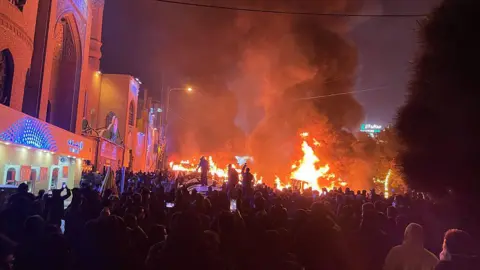
One evening, after eating in a restaurant, they stepped outside to find the city transformed: Crowds filled the streets and in some areas, security forces appeared to have lost control.
It felt like people had occupied Tehran, she said.
Protests erupted across Iran just before the new year, driven by anger over economic hardship and a collapsing currency, but quickly escalated into calls for an end to the Islamic Republic. Days later, security forces responded with deadly force.
The true death toll is difficult to verify, with conflicting numbers coming from different sources. The US-based Human Rights Activists News Agency (HRANA) claims over 6,000 protesters have died, whereas Iranian authorities report a lower figure largely involving security forces.
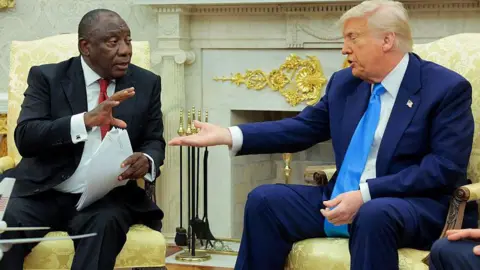
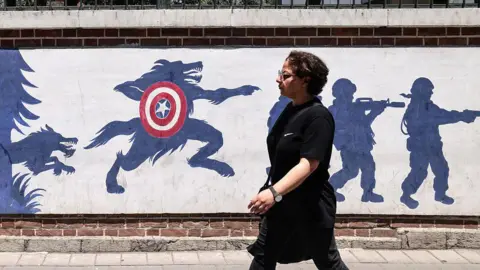
US President Donald Trump has publicly supported the protesters, declaring that the government is eager for a deal. Yet, there is skepticism about military involvement, as some believe protests should spur internal change rather than external intervention.
Mojdeh falters while recounting the chaos: people running, shouting, some beaten. Her husband noted that among friends and family in Iran, the idea of US military involvement is seen not as an attack but as assistance. Despite understanding their desperation, they worry that military action could lead to unintended consequences.
As weeks passed after the protests, opinions on US intervention continued to divide among Iranians abroad. Some fear it could worsen conditions for their family back home, while others argue it’s the only option left to combat the oppressors.
In a world where repression persists alongside protests, the longing for both dignity and help resonates deeply among a grieving community.
In early January, they travelled from their home in Washington, DC to Tehran to visit family - expecting a short, routine trip. Instead, protests spread, flights were cancelled and they found themselves stranded in a city that no longer felt predictable.
Life was on pause, Mojdeh said, especially at night, when the internet and even phone networks went dark.
They did not plan to protest. But on the nights of 7 and 8 January, she said, it was impossible to remain uninvolved.
If you left your house, you saw it, she said. The BBC has changed her name to protect her and her husband's identities.
One evening, after eating in a restaurant, they stepped outside to find the city transformed: Crowds filled the streets and in some areas, security forces appeared to have lost control.
It felt like people had occupied Tehran, she said.
Protests erupted across Iran just before the new year, driven by anger over economic hardship and a collapsing currency, but quickly escalated into calls for an end to the Islamic Republic. Days later, security forces responded with deadly force.
The true death toll is difficult to verify, with conflicting numbers coming from different sources. The US-based Human Rights Activists News Agency (HRANA) claims over 6,000 protesters have died, whereas Iranian authorities report a lower figure largely involving security forces.
US President Donald Trump has publicly supported the protesters, declaring that the government is eager for a deal. Yet, there is skepticism about military involvement, as some believe protests should spur internal change rather than external intervention.
Mojdeh falters while recounting the chaos: people running, shouting, some beaten. Her husband noted that among friends and family in Iran, the idea of US military involvement is seen not as an attack but as assistance. Despite understanding their desperation, they worry that military action could lead to unintended consequences.
As weeks passed after the protests, opinions on US intervention continued to divide among Iranians abroad. Some fear it could worsen conditions for their family back home, while others argue it’s the only option left to combat the oppressors.
In a world where repression persists alongside protests, the longing for both dignity and help resonates deeply among a grieving community.