Bangladesh's Tumultuous Political Landscape: From Uprising to Uncertainty
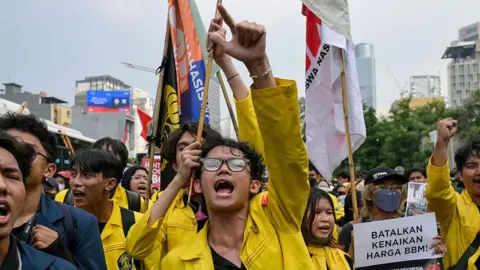
As general elections loom, the aftermath of Bangladesh's recent uprising against autocracy raises questions about the future of its political landscape. The protests that toppled Prime Minister Sheikh Hasina were spearheaded by Gen Z, yet internal rifts within the newly formed youth-led political party, the National Citizen Party (NCP), pose a challenge to their vision for a new Bangladesh.
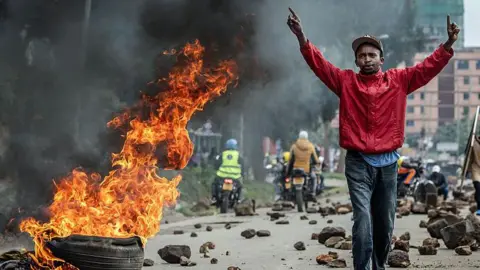
The uprising began in 2024, marked by harrowing scenes of violence during police crackdowns. The deaths of student protester Emam Hasan Taim Bhuiyan and the struggles of participants like Rahat Hossain became symbols of the fight against oppression. Although their actions led to the country's autocratic government being ousted, the reality of governance proved more complex.
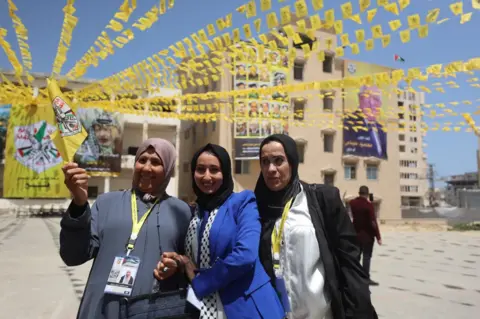
As the elections approach, however, the NCP faces multiple obstacles. Their alliance with Jamaat-e-Islami, a controversial historical party, has left younger voters uneasy, and the sidelining of women within both the NCP and Jamaat raises concerns about representation and inclusivity within Bangladeshi politics.
The BNP, rebranded as a liberal democratic force, stands poised to capitalize on the NCP's struggles and the ban on the Awami League, highlighting the enduring presence of dynastic politics in Bangladesh. With a transition of power on the horizon, only time will tell whether the initial hopes for a refreshed political environment will endure or succumb to familiar patterns of governance.