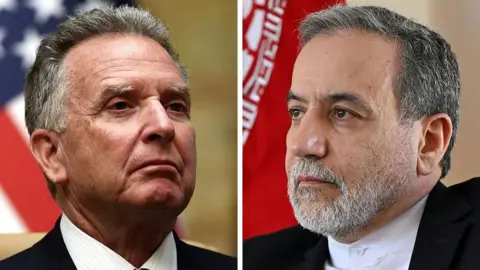
Senior US and Iranian officials are set to continue discussions after talks in Oman, the Iranian foreign minister says, amid a crisis that had raised fears of a conflict between the countries.
Abbas Araghchi said the mediated discussions were a good beginning and exclusively nuclear, and the negotiators would now return to their capitals for consultations.
Ahead of the talks, US officials expressed the desire to address Iran's ballistic missiles and its support for regional armed groups, which underscores the gaps between the countries' positions. There has been no immediate US reaction.
The talks transpired against the backdrop of a US military buildup in the Middle East in response to Iran's violent repression of nationwide anti-government protests last month, which human rights groups say resulted in many thousands of deaths.
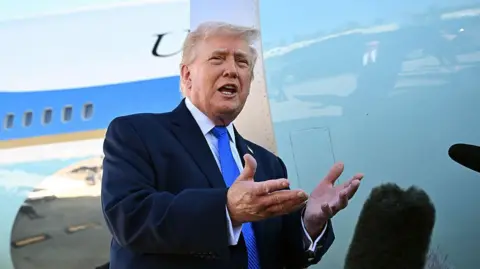
In recent weeks, President Donald Trump threatened military action against Iran if it does not comply with US demands. Concurrently, Iran has warned of a retaliatory response to any attacks, threatening US military assets in the region.
Speaking to Iranian state television, Araghchi indicated an atmosphere of mistrust that needs to be resolved, with details about the next round of talks to be decided later. The discussions were mediated by Oman's Foreign Minister Badr Albusaidi, who characterized them as useful in clarifying both parties' perspectives.
The meeting marks the first official negotiations since the conflict between Israel and Iran last June, following a US bombing of Iran's key nuclear facilities. Major differences remain between the countries, leaving the potential for future agreements uncertain.
For Iran's leadership, this could be a critical opportunity to avoid escalation and military conflict, which analysts claim could destabilize an already precarious regime facing significant internal unrest.
ID  .
.