Iran and US Engage in Critical Talks Amid Military Tensions
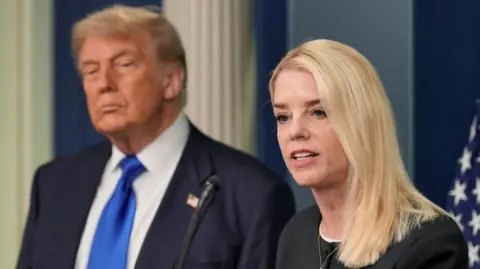
President Trump has confirmed that Iran is in 'serious discussions' with the United States, coinciding with a significant buildup of American military forces in the Gulf region. This development arises from ongoing high tensions between the two nations.
Trump expressed optimism that negotiations with Iran could yield an 'acceptable' outcome. Iranian security official Ali Larijani indicated that a framework for discussions is making progress.
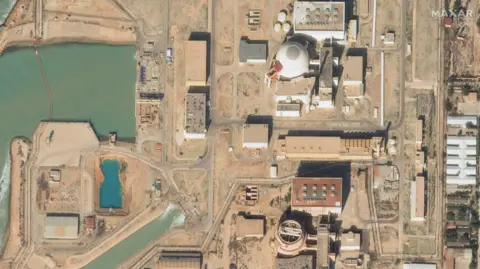
Heightened fears of military conflict have emerged as Trump has threatened intervention regarding Iran's nuclear activities and its violent crackdown on anti-government protests. He stated that Iran would face dire consequences unless two conditions were met: halting nuclear ambitions and ceasing its violent repression of protesters. In response, Iran's officials warned of a swift military response to any aggression.
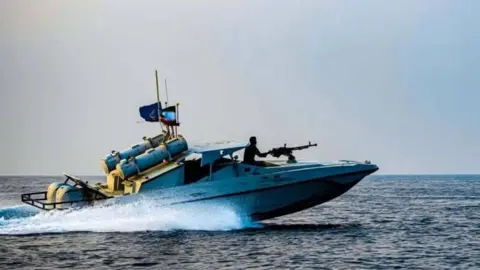
Adding to the complexity of the situation, Iran is poised to commence a two-day live-fire naval exercise in the Strait of Hormuz, a vital maritime route through which a substantial portion of the world's oil supply passes. Historically, Iran has threatened to block this strategic passage if its sovereignty is challenged.
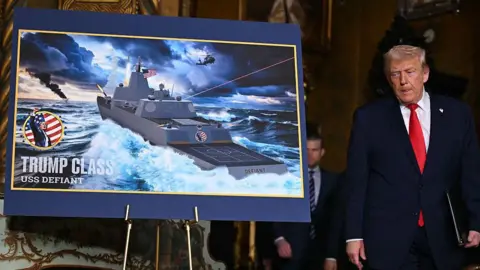
In an apparent display of military readiness, the US has deployed the USS Abraham Lincoln aircraft carrier to the region and warned Iran against any 'unsafe and unprofessional behavior' around US forces.
The Iranian Foreign Minister criticized the US for attempting to dictate the exercises of Iran's armed forces within their territory, emphasizing the nation's sovereignty.
The backdrop of these discussions includes internal unrest within Iran, which has seen substantial fatalities throughout nationwide protests. AI reports indicate the crisis has claimed over 6,300 lives, with numbers expected to rise dramatically. Concerns about the geopolitical implications of the protests and governmental response continue to loom large.
As discussions unfold, both nations are on high alert amid a volatile regional landscape, and the outcome of these negotiations could have significant ramifications for the geopolitical stability of the Gulf region and beyond.