
In brief
Roelf Meyer, a former negotiator who helped end apartheid, insists the narrative of a white genocide in South Africa is unfounded, calling on the United States to re‑evaluate the Trump administration’s refugee program for Afrikaners. Trump’s 2025 proclamation citing farm attacks led to the admission of nearly 13,000 South African refugees—most of whom are white—into the U.S. The ambassador highlights that crime statistics show black residents as the most affected by violence and that the perceived persecution of white Afrikaners amounts more to a loss of privilege than a genuine threat of extermination. He argues that South Africa should work with the U.S. on crime‑fighting assistance rather than hostilities, and calls for the revocation of the executive order that governs the new refugee pathway.
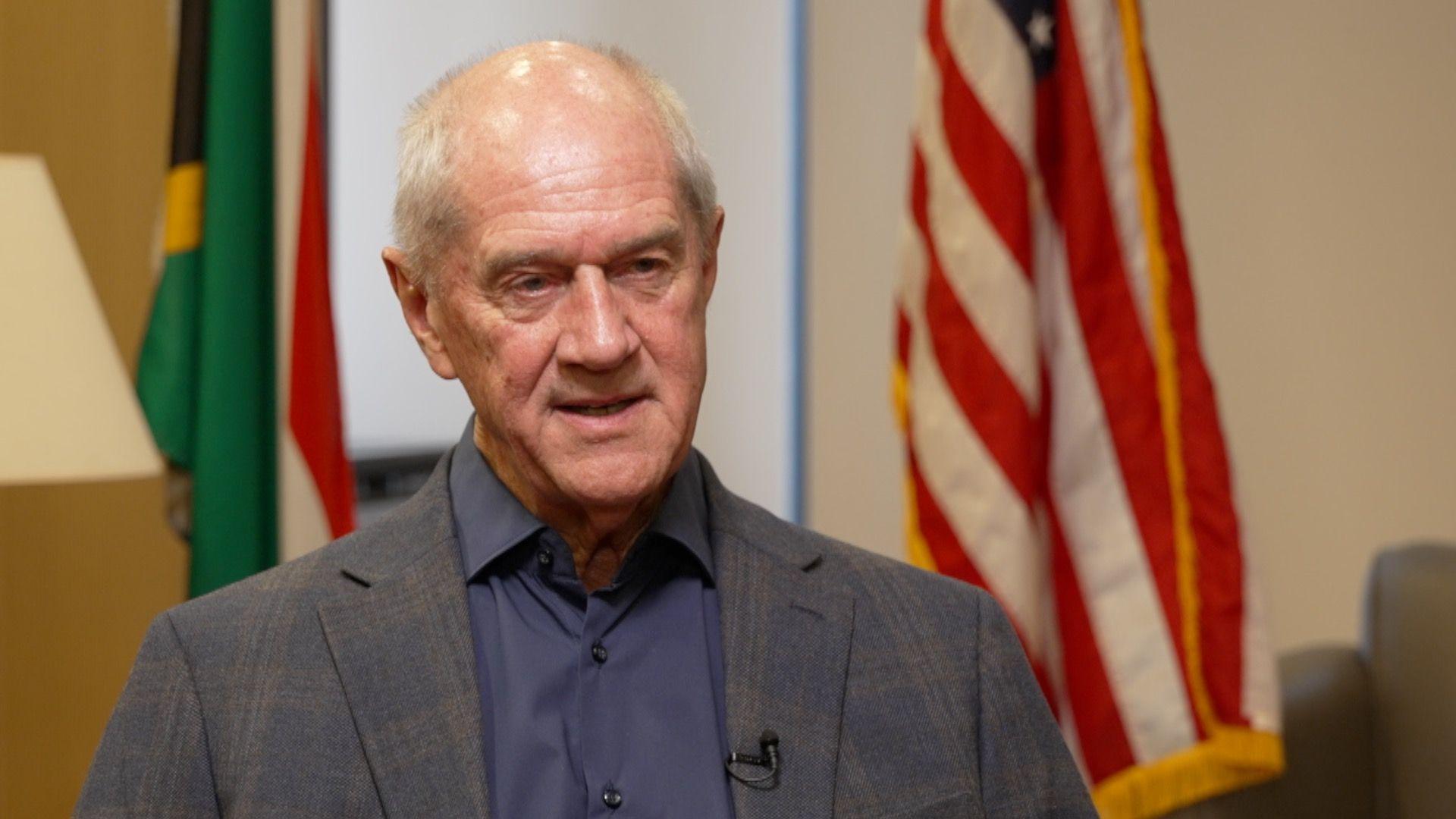
The statement from South Africa’s new ambassador to Washington, Roelf Meyer, arrived on the heels of President Trump’s March 2025 declaration that a “white genocide” is happening to Afrikaner farmers. Meyer, a former negotiator who helped end apartheid, told the BBC that the claim is “non‑existent” and that his own identity as a born Afrikaner gives him the authority to speak on the issue.
Trump’s claim, made during a White House meeting with President Cyril Ramaphosa, was followed by a mass‑admission of Afrikaners into the U.S. under a new refugee pathway—nearly 13,000 newcomers, most of them white, arrived in the United States last year.
The ambassador referred to police data that shows the bulk of violent crime, including on farms, is committed by black residents. He added that the notion of persecution falls short of international refugee criteria and could even be unlawful to mobilise a program meant for those fleeing war or ethnic cleansing.
Meyer has met with U.S. officials, calling for the revocation of the executive order that underpins the refugee pathway. He stresses that South Africa’s challenges lie in rural and urban crime alike, and that a focus on farm attacks misrepresents the reality of the situation.
The ambassador also warned that the pressure from white Afrikaner groups, including a planned vigil on the National Mall with thousands of white crosses, should be directed toward constructive internal reform rather than external protest. He urged the United States to assist South Africa in combating crime and to engage constructively, rather than escalating the rhetoric that has amplified fears of a “political drive towards killing white people”.


