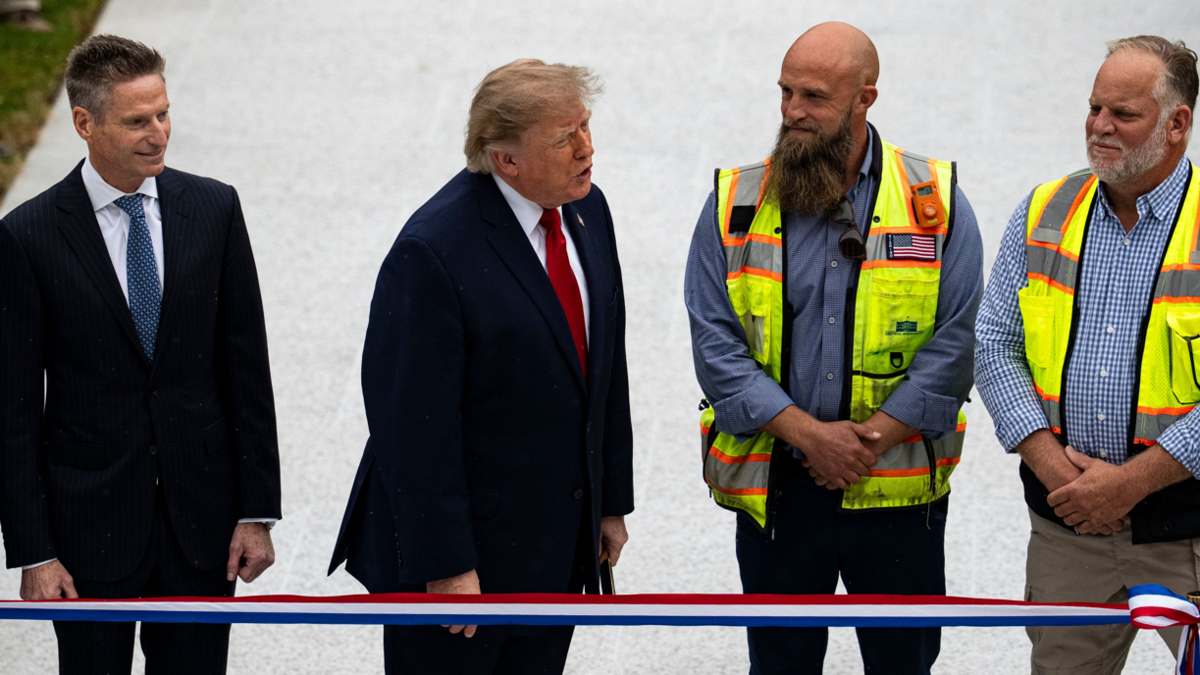
The White House Press Pool: Trump’s New Crowd‑Control Strategy
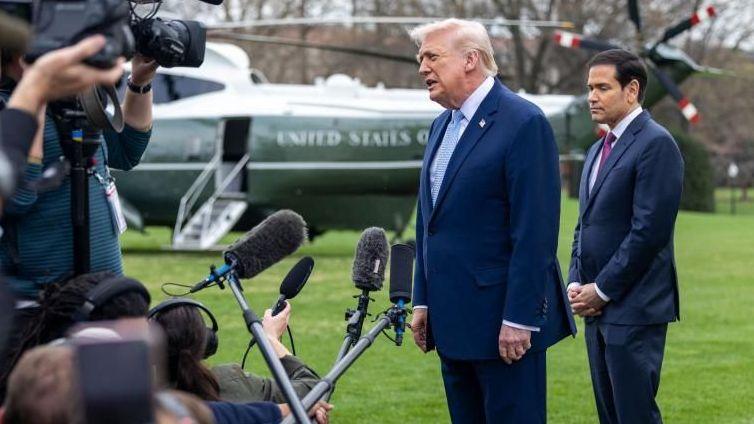
When President Donald Trump unveiled a helipad on the South Lawn this week, his words were barely audible. The muffling was not due to a quiet crowd but a court‑endangered rift over the White House press pool – the institutional network that decides who may film and photograph the President.
For decades, the pool has been a practical compromise: a rotating group of TV, photo, print, radio and new‑media outlets share resources to follow the President from the Oval Office to Air Force One. The five television members—CNN, ABC, CBS, Fox News and NBC—share footage and data with the wider media community, ensuring a broad, albeit filtered, view of presidential action.
Trump’s administration broke that norm Friday when the President publicly banned CNN, Politico and MS NOW from the White House, accusing them of “fake news” and “lies”. Badging systems were cut off the next day, and the five network rosters voted to abandon pool coverage altogether. Without the pool, a live “grab” of Trump’s words was impossible: microphones were absent, footage scarce, and the president’s rib‑cutting ceremony became a low‑resolution event.
The fallout touches constitutional law. The First Amendment’s “freedom of the press” clause has long been interpreted to forbid a government from discriminating against a news outlet because of its reporting. The five networks’ joint statement argues that “no administration should restrict a news organisation because it objects to its reporting.” CNN, Politico and MS NOW have filed a lawsuit against the administration, alleging a poll‑religated denial of rights. A court hearing is slated for Wednesday.
What followed was Trump’s creation of a new YouTube‑based channel, “Trump TV”, which offers a 24/7 stream of his speeches and rallies. The channel—running on the White House media slot that the pool left vacant—provides a controlled narrative but with no requirement to share clips with other outlets.
History shows precedent but with limited reach. In 2009, the Obama administration briefly excluded Fox News from a pool interview. After pushback, Fox was granted access for that segment only, not a blanket ban. Trump’s move, however, is expansive, cutting all partnership for an unknown duration.
This clash may have far‑reaching consequences. Press coverage of presidential visits, such as the UN general assembly, has remained afloat because those events are not pool‑dependent. Yet any studio‐instigated event—the White House’s most publicized moments—faces a blackout without the network’s cameras and microphones. In a country where independent scrutiny is the first line of democracy, the dispute heralds a new era where coverage of the chief executive could be dictated by politics rather than press freedom.