White Genocide Claims in South Africa: A Mirage of Fear
The echo of white crosses on Washington’s National Mall has sounded alarm bells across the globe, yet what the Afrikaner lobby evokes as a “white genocide” in South Africa remains a claim without factual foundation.
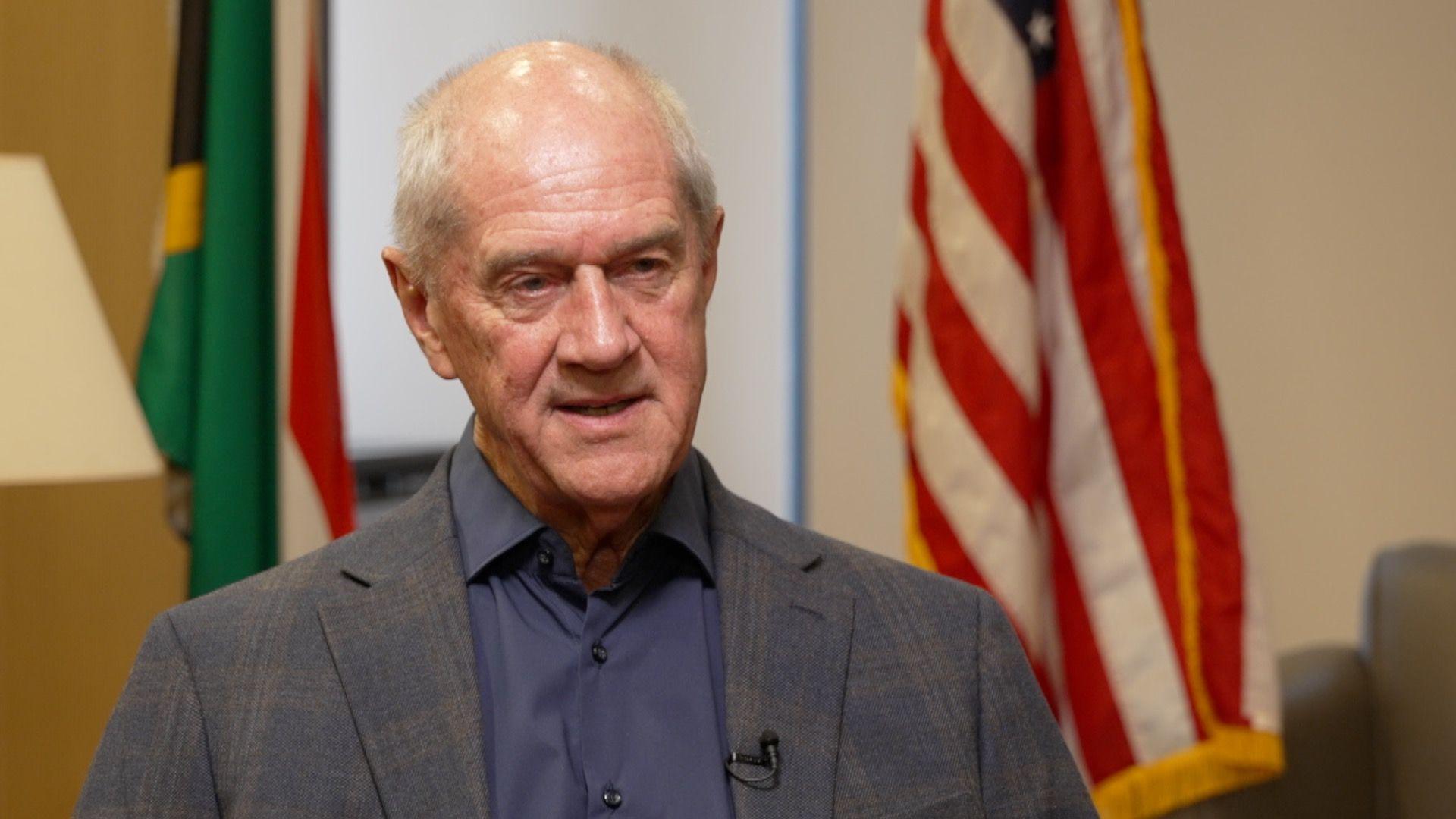
The protest—an arrangement of thousands of sterile white crosses—brought attention to allegations that South Africa is targeting its white minority. However, South Africa’s ambassador to the United States, Roelf Meyer, has publicly denied the existence of a systemic attack on Afrikaners, explaining that “there is no mass or organised violence against white people in the country.” Mr. Meyer’s assertion is bolstered by demographic studies that show a stable, integrated population, with no credible incidents of widespread persecution specifically aimed at the white community.
The political dimension is further complicated by a draft notice from the Trump administration, which envisions admitting up to 17,500 Afrikaner refugees in the next twelve months. The move has led some commentators to speculate that the administration is ready to weaponise asylum policy in response to these misinformation campaigns. Nonetheless, no formal policy has yet been enacted, and the project remains in the proposal stage.
Ione Wells, BBC’s North America correspondent, explains how the United States has inadvertently amplified the genocide myth. She discusses how populist rhetoric and targeted social‑media messaging have created a “feedback loop” that turns fringe theories into a political talking point—especially in environments where rhetoric about “white inferiority” is already prevalent. The U.S. response has, therefore, been teetering between addressing legitimate migration concerns and avoiding the dissemination of harmful false narratives.
Experts and scholars stress that the term “genocide” demands evidence of coordinated intent to destroy a protected group. In this case, there is a lack of such intent from the South African state or its institutions, and no credible reports of a campaign aimed at eradicating white people in the country. The narrative is, instead, a phenomenon of political persuasion, aiming to rally specific constituents and influence U.S. foreign‑policy decisions.
This controversy reminds readers that in an era of instantaneous media, claims can spread faster than truth. By scrutinising the facts, understanding the geopolitical motivations, and recognizing the diversity inherent in South Africa’s makeup, societies can steer clearer from the quagmire of misinformation.