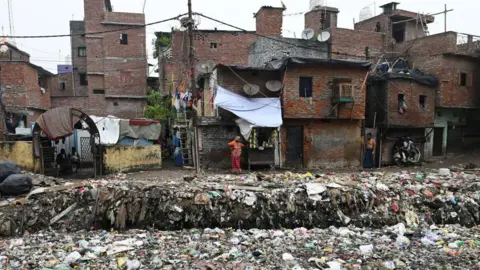
\u201cWant the royal charm of Jaipur? Don\u2019t come here, just buy a postcard,\u201d quipped a local taxi driver during my recent visit to the north-western Indian city. His remark, filled with resigned hopelessness, encapsulates the urban decay gripping not just Jaipur but many Indian cities, plagued by overwhelming traffic, pollution, littered streets, and neglect of their historical grandeur.
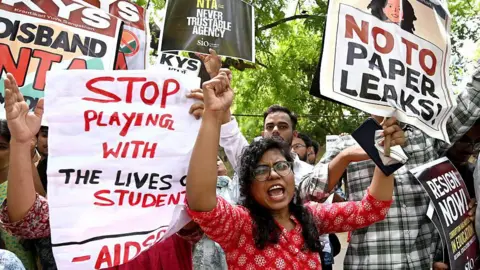
Guptcity is a comprehensive report on why urban areas in India are becoming increasingly unliveable despite significant government investment in infrastructure projects. Cities like Bengaluru, known as India\u2019s Silicon Valley, are witnessing public frustration boil over as deteriorating conditions prompt citizen protests over poor road quality and garbage collection.
While significant investments have led to the construction of modern airports, multi-lane highways, and metro networks, many Indian cities still rank poorly on liveability scales. Reasons for this paradox stem from historical governance issues, with experts arguing that the current systems lack a credible framework for urban management. The vast devolution promised during India's Constitution drafting does not meet the needs of ever-expanding urban populations, relegating city governance to weak local bodies.
Prominent urban experts highlight that true change is hampered by a lack of data and effective governance structures that limit city authorities' abilities to manage resources efficiently. Unlike China, where city leadership plays a significant role backed by centralized mandates, Indian mayors often lack the power and support needed to drive substantial change.
As urban living conditions reach a crisis point, experts predict this uncomfortable reality may push Indian cities towards much-needed transformative policies and improved management practices. Until then, residents of cities like Delhi, Mumbai, and Bengaluru will continue grappling with environmental and civil challenges unable to echo the ambitions of progress touted by government initiatives.