In brief
The cherry blossom festival in Fujiyoshida has been called off following a surge in tourist numbers that has overwhelmed local infrastructure and communities. Residents report increased littering and disrespectful behavior from visitors, prompting authorities to prioritize the living conditions of local citizens over tourism. The mayor emphasized a need to protect the community's dignity and environment.
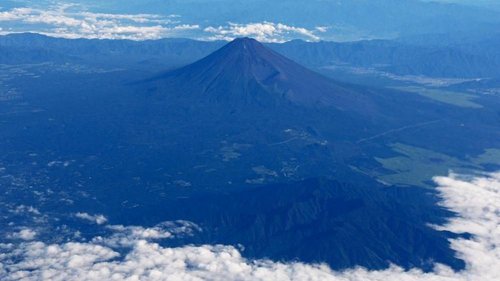
Japanese authorities in Fujiyoshida, a town near Mount Fuji, have canceled this year's cherry blossom festival as a response to an overwhelming surge in tourism that has created untenable living conditions for residents.
The recent influx of visitors has led to significant issues such as chronic traffic congestion and litter. Some locals have reported tourists trespassing and even defecating in private gardens, which has contributed to a growing sentiment of discontent amongst the community.
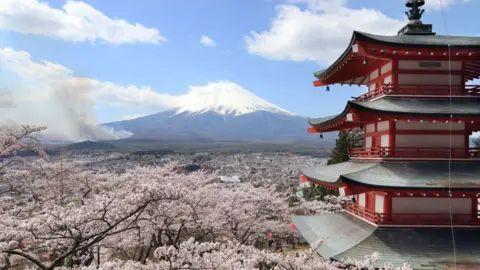
Fujiyoshida's cherry blossoms attract tourists each spring, showcasing a stunning backdrop of Mount Fuji. The city’s mayor, Shigeru Horiuchi, expressed concern for the residents' quality of life, stating: We have a strong sense of crisis, and emphasizing their obligation to protect the dignity and living environment of citizens.
Due to the rampant overtourism, which has reached up to 10,000 visitors daily at peak blossom periods, the city has decided to suspend a festival that has been integral to their community for a decade.
In an attempt to manage the burgeoning tourism, which has been fueled by the weak yen and social media exposure, local officials are preparing for the expected visitor surge in April and May, despite the cancellation of the festival.
In recent years, authorities in Japan have taken similar measures to curb the misbehavior of tourists. Notably, in 2024, a barrier was erected at a popular photo spot to deter bad behavior from visitors.
Similar challenges are being faced around the globe; for instance, Rome has introduced a fee for accessing its iconic Trevi Fountain, aiming to manage tourism while maintaining the site’s upkeep.