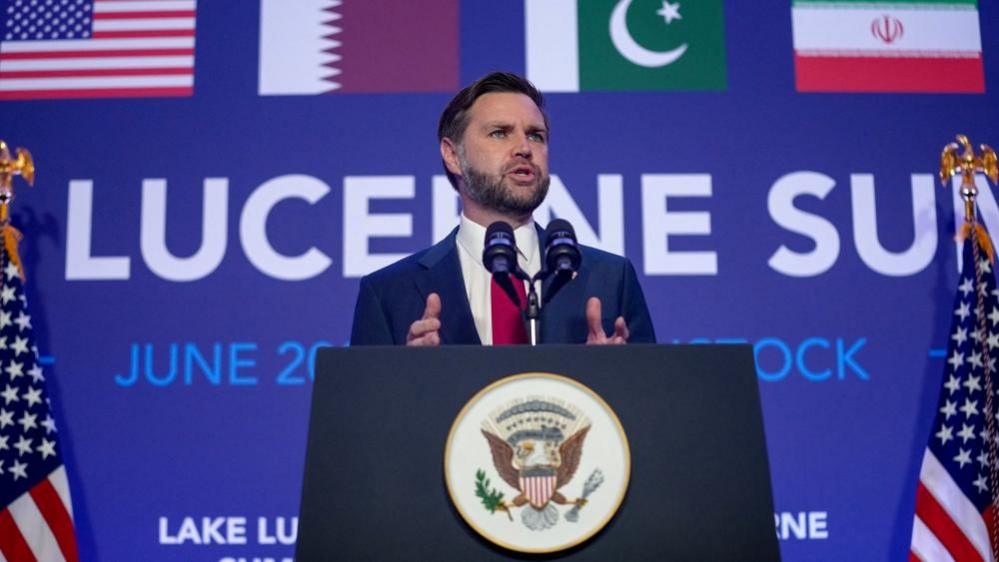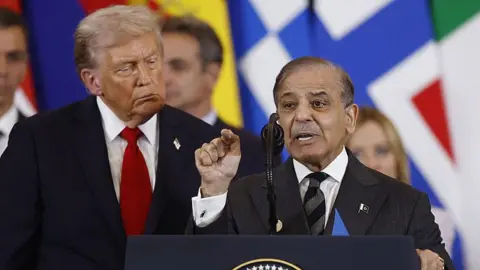
Pakistan's role as intermediary in the conflict between the US and Iran has raised eyebrows across geopolitical landscapes. Traditionally known for being embroiled in its own conflicts, Pakistan's attempt to broker peace may seem paradoxical.
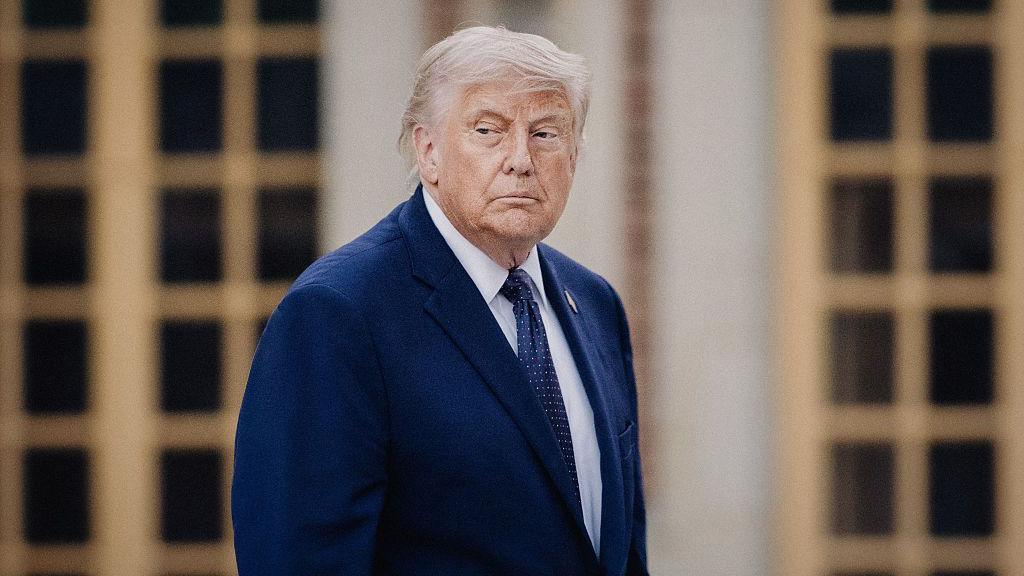
Key to this new diplomatic engagement is the head of Pakistan's armed forces, Field Marshal Asim Munir, who shares a mutual rapport with US President Donald Trump. Munir's insight into Iran’s political dynamics positions him uniquely as a bridge for negotiations between estranged nations.
Geographically, Pakistan stands as Iran’s neighbor with a 900km border and a historically strong cultural and religious connection, adding depth to its potential as a mediator. Unlike many of its regional counterparts, Pakistan has maintained a neutrality in the Iran conflict, lacking foreign military bases that could complicate its role.
Nevertheless, Pakistan grapples with fears regarding its own stability and security while trying to engage in diplomacy. Currently involved in conflicts with Afghanistan and India, the nation is navigating a precarious balance between fostering peace in the Gulf and managing its territorial integrity.
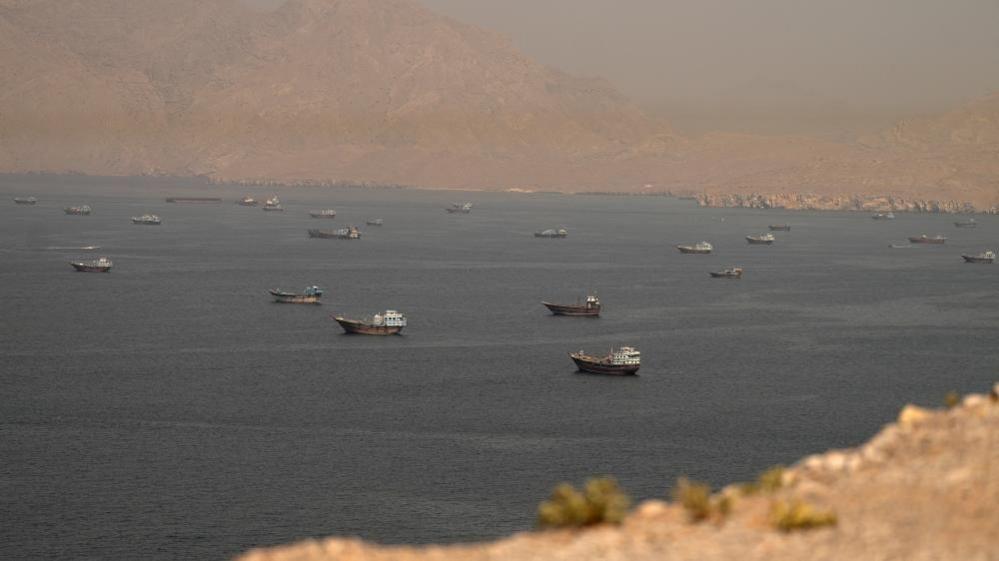
The stakes for Pakistan are high. With increased oil prices and economic pressures mounting, Pakistan's dependence on imported fuels flows through the Strait of Hormuz, emphasizing its vested interest in regional peace. Diplomatic experts argue that Pakistan’s aggressive pursuit of mediation stems from a need to enhance its global standing and influence while simultaneously de-escalating an increasingly volatile situation.
However, the road ahead is fraught with uncertainty. The potential for backlash exists if negotiations yield little progress, and public sentiment in Pakistan leans strongly pro-Iran, compounding the challenges for its leaders. Despite these hurdles, Pakistan's strategic positioning may allow it to play a significant role, provided it can navigate these complex relationships effectively.
As negotiations continue, the world watches closely to see if Pakistan’s efforts will lead to meaningful dialogue or if the conflict will deepen further, creating ripple effects across the region.