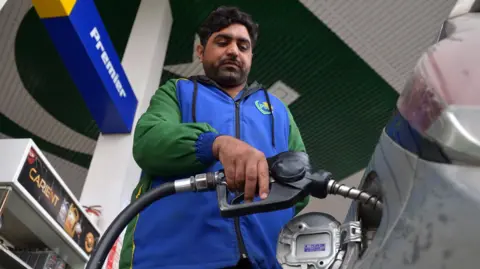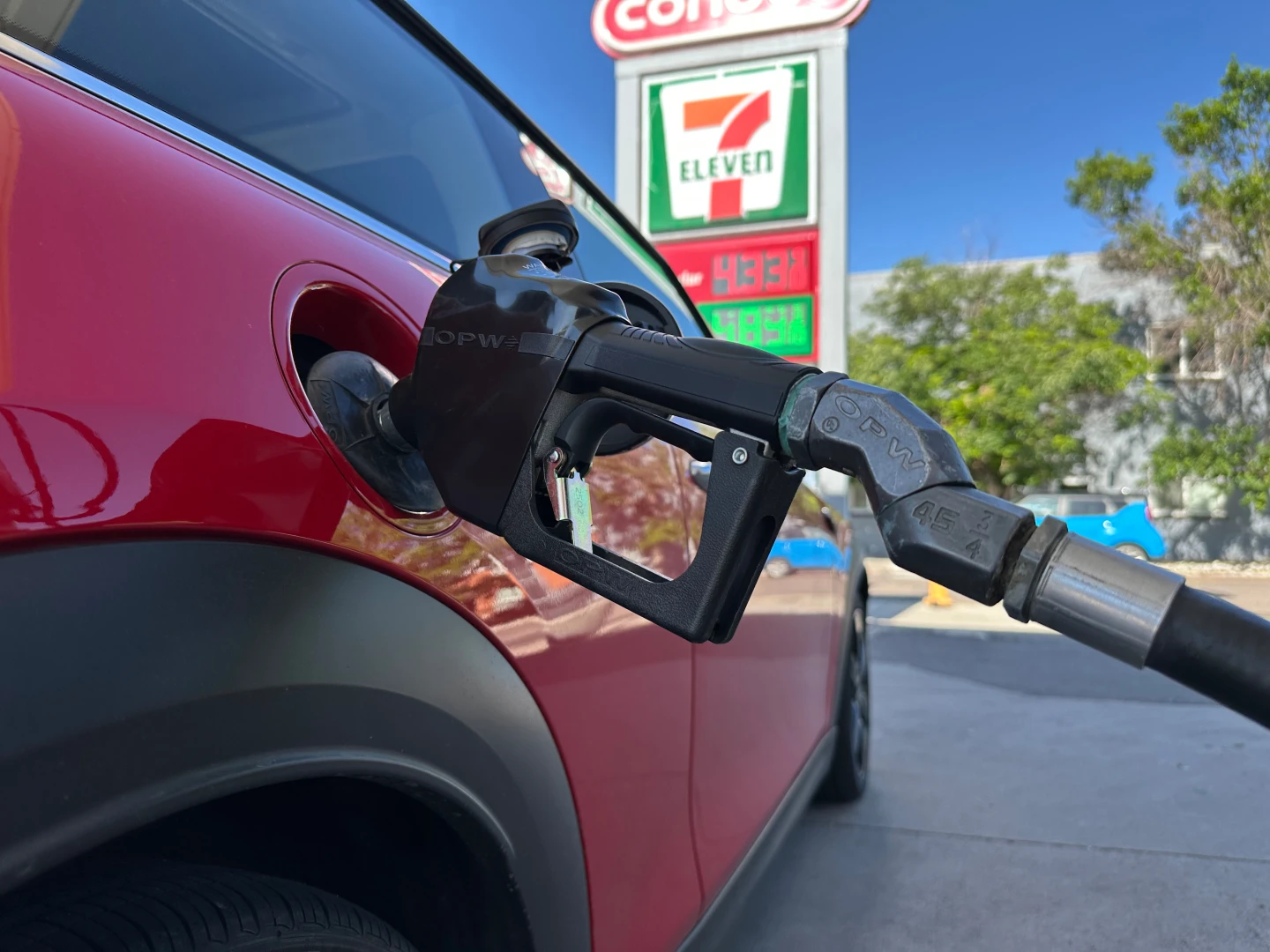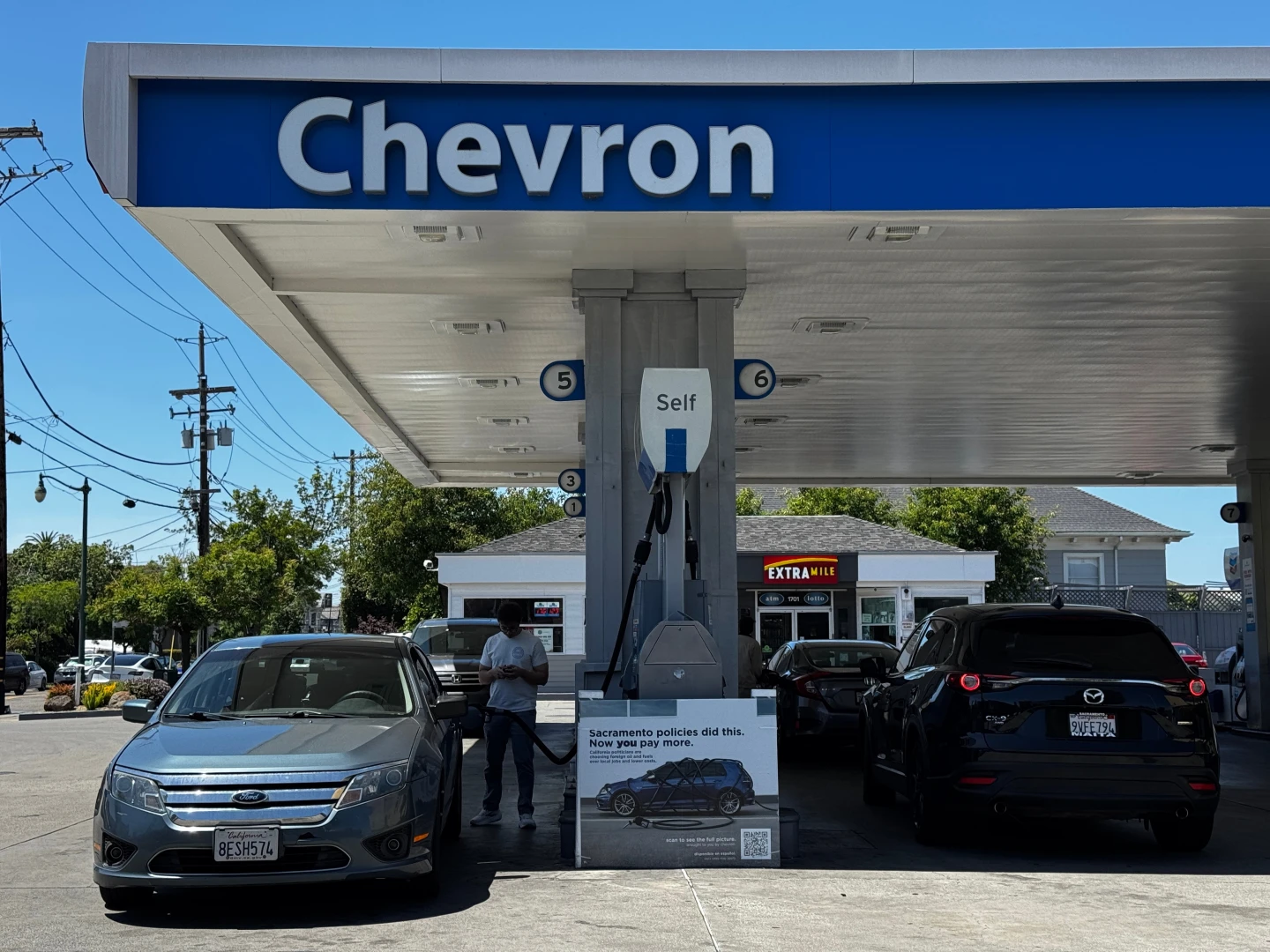
As geopolitical tensions escalate, Uber drivers and gig workers across the U.S. are feeling the pinch from rising fuel costs. Leslie Sherman-Shafer, a driver from the San Francisco Bay Area, has seen her gas expenses double, forcing her to work longer hours to compensate for the increased rates. We don’t get reimbursed for gas, she lamented, noting how many customers have decreased their tipping in face of the soaring prices.
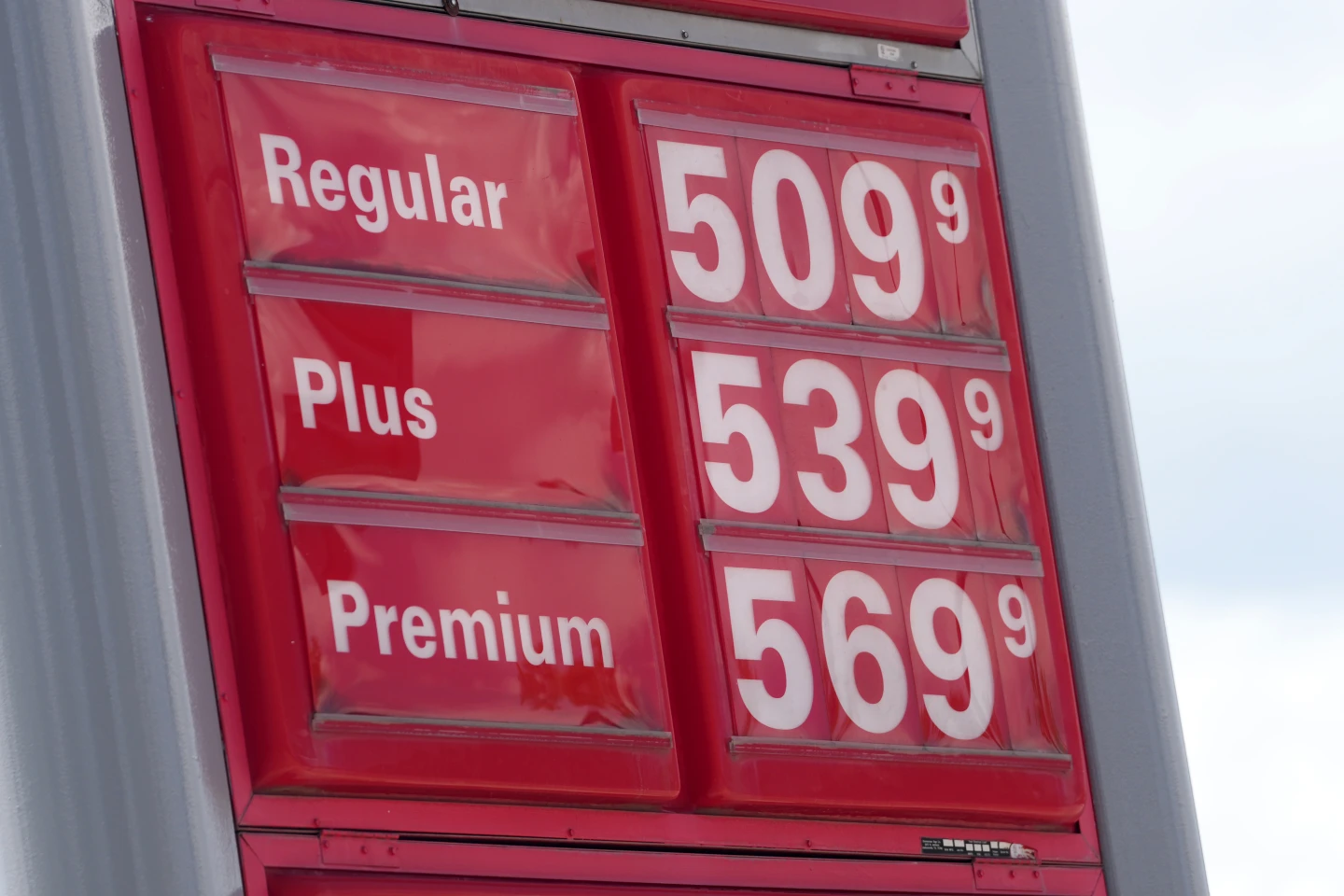
With the conflict in the Middle East entering a critical phase, the average price for gasoline has surged, now averaging $3.99 per gallon—up nearly 34% in just one month. As a result, many gig workers are scrambling to adjust their business models. The internal financial burdens weigh heavily, as more than 27% of civilian workers engage in jobs requiring personal vehicle use, according to recent statistics.
Some employers are beginning to step in with solutions. For instance, Alpine Maids—a cleaning service in Denver—has increased its reimbursement rate in line with rising gas costs, while pet care companies in California have also adjusted their mileage compensation. However, the scale of impact varies, and many drivers report that any increases are not enough to offset their overall loss in earnings as customer spending shifts.
Moreover, companies like DoorDash and Uber are offering temporary cash back incentives to help drivers cope but this has not fully mitigated the struggles drivers face. As Sarah Noell, a DoorDash driver, stressed, It takes nearly double the cost to fill my tank. The situation is getting dire, and tips are dwindling.
As the economic pressure mounts amidst skyrocketing fuel prices, both workers and employers are looking for solutions—but uncertainty looms large over the gig economy's future.