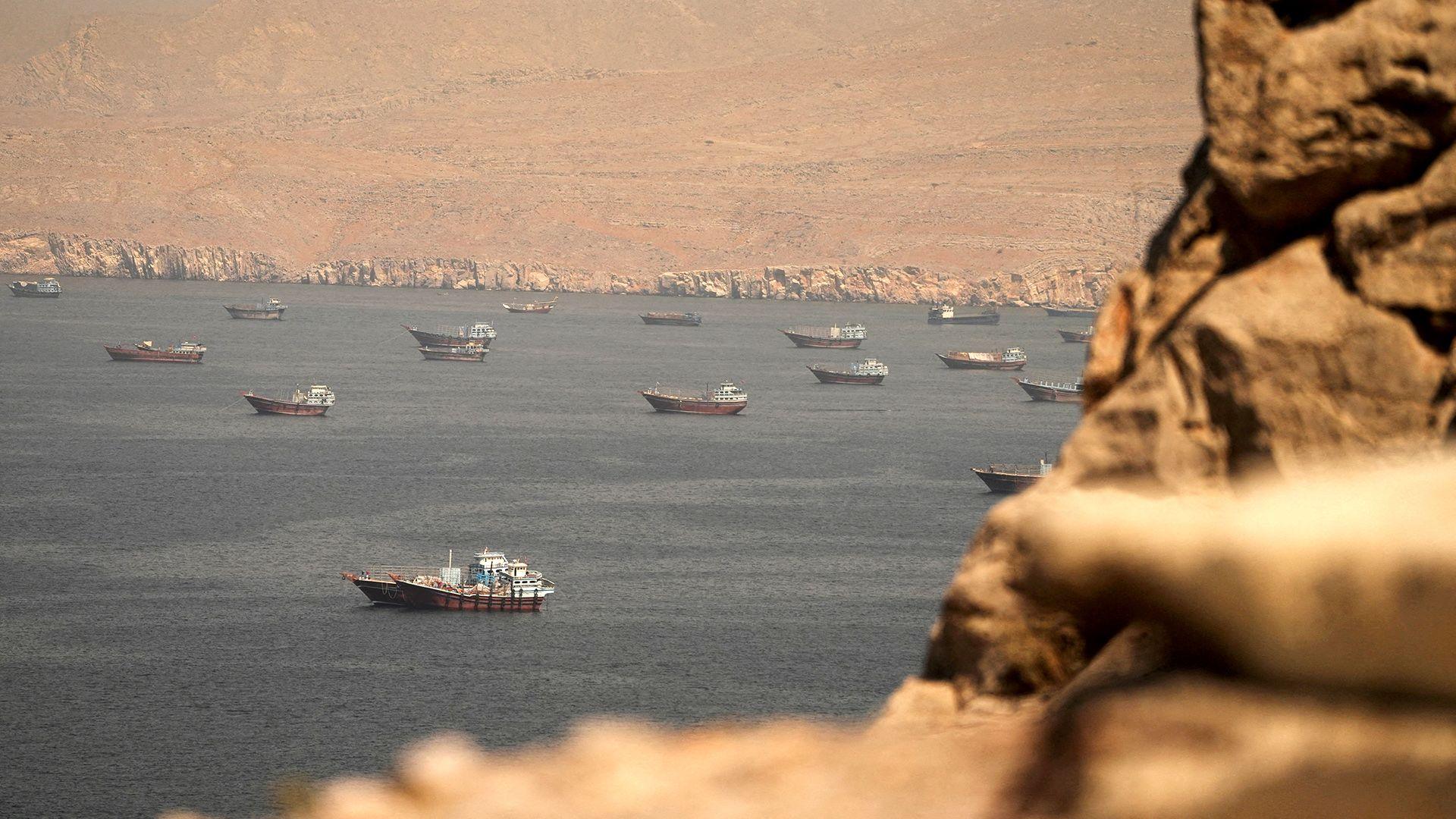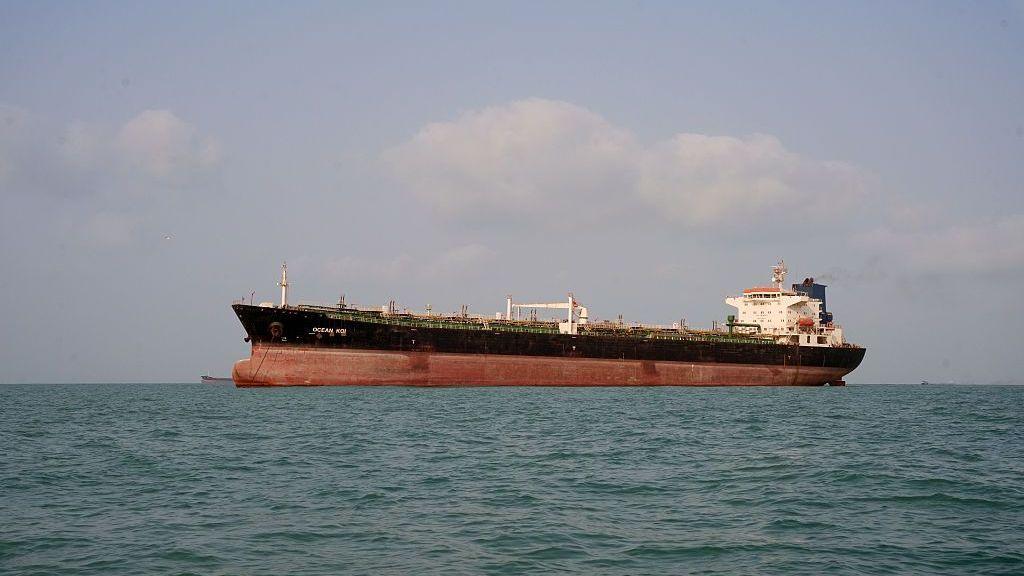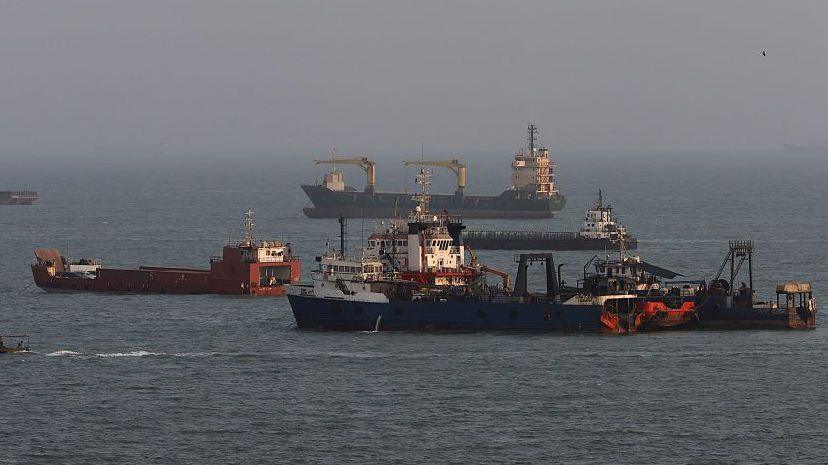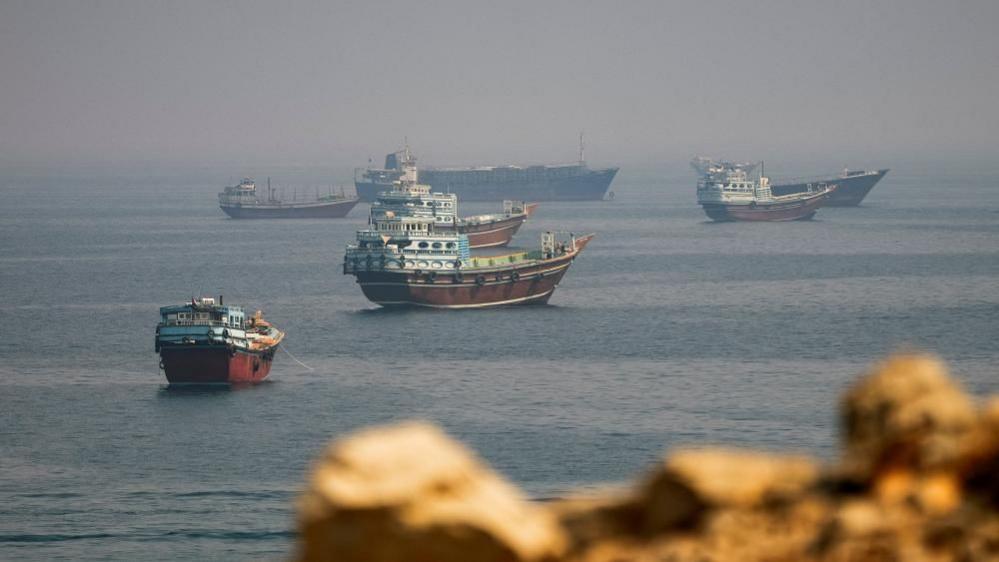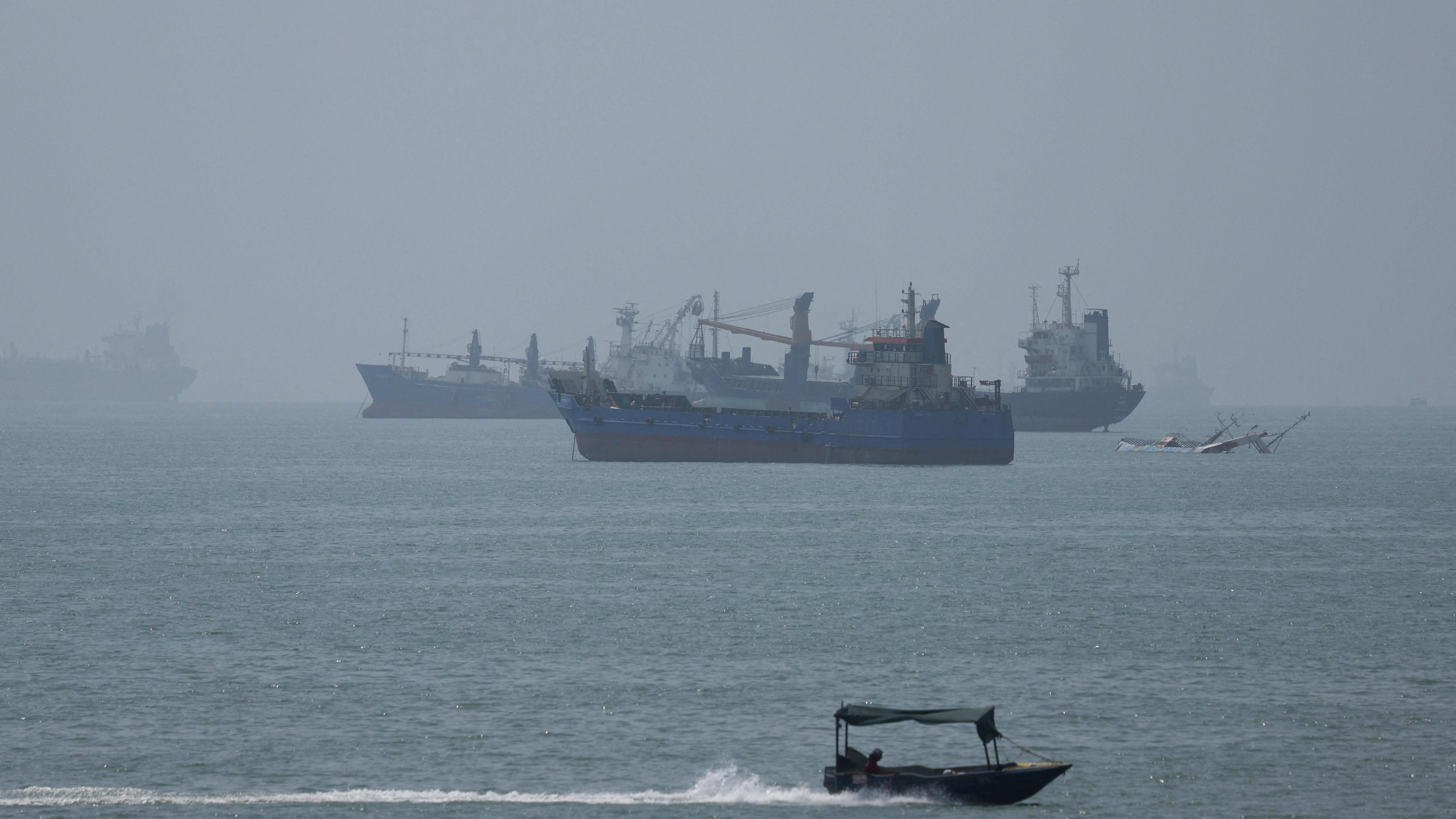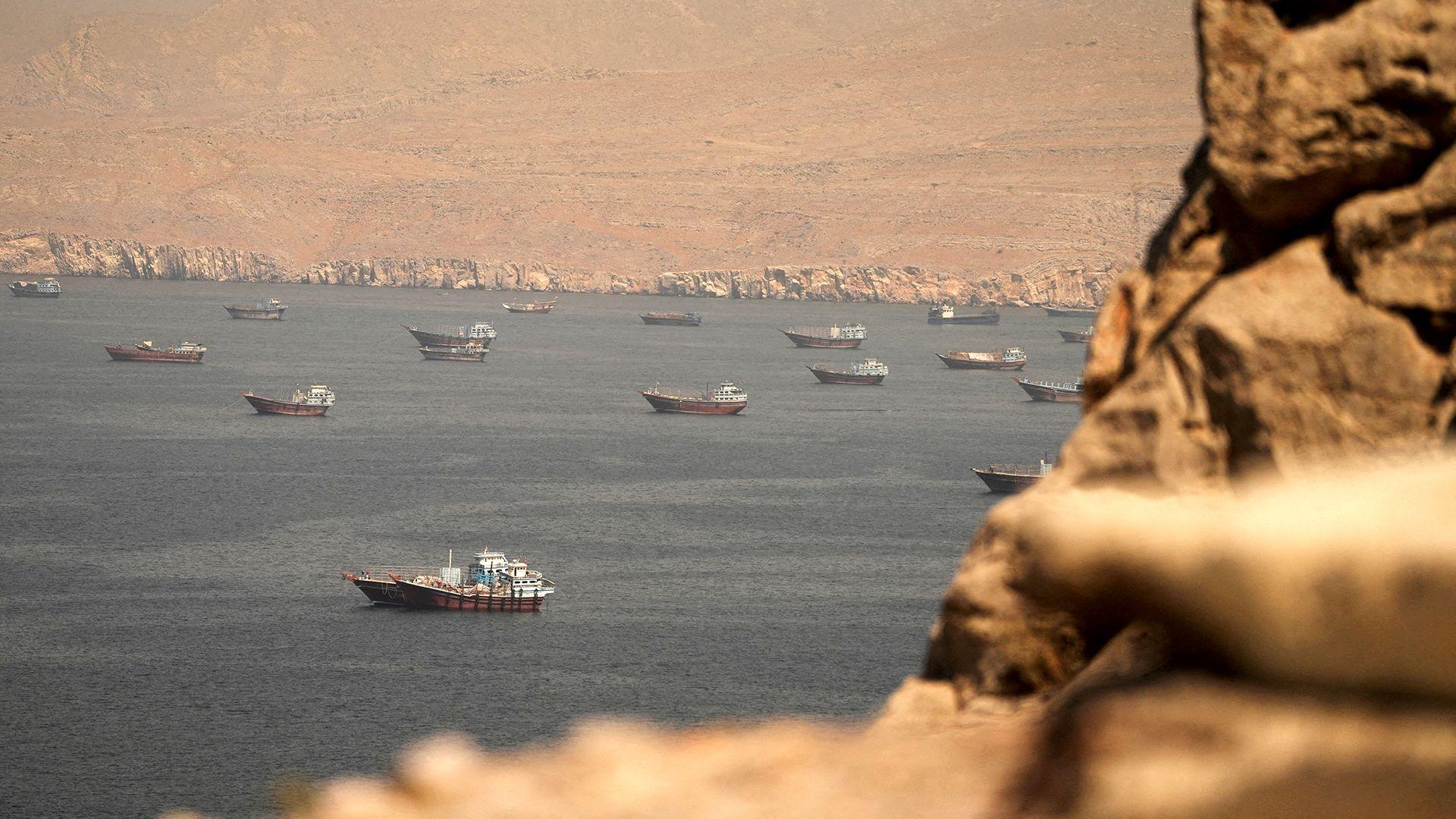
Trump’s 24‑hour post to Truth Social declared a resumption of the U.S. naval blockade on Iranian shipping, demanding a 20% fee for vessels passing through the Strait of Hormuz. The fee was framed as a reimbursement for the U.S. “costs necessary to provide safety and security” to that volatile stretch of waterway.
The sudden reversal occurred after a brief moment when Trump’s team had announced the blockade; the policy was rapidly abandoned the next day and replaced by a vague offer to secure trade and investment deals with Gulf allies. That move echoed earlier statements in which the President floated a toll as a way to make the war more palatable at home.
The underlying memorandum of understanding (MOU) that the U.S. and Iran had both hailed as a victory left much open to interpretation. It promised Iran a role in overseeing the passage of commercial vessels with no charge, set out billions in promised investment, and called for a lifting of sanctions. Critics, however, argue that the MOU’s vague language meant it could be dismantled without consequence once the U.S. decided it was no longer useful.
With the new toll proposal, Washington risked a sharp surge in oil prices—oil rose nearly 10% the morning after the Truth Social post—a consequence from the U.K. to the U.S. consumer markets that could negate the slight inflationary easing from the war’s earlier stages.
In short, the saga shows a president oscillating between escalation and concession, each time hoping to paint a narrative of intervention that would appease domestic audiences while simultaneously stalling a peace that would see Iran holding onto its strategic choke point.