In brief
On Thursday, the World Health Organization announced the start of a clinical trial to evaluate two potential therapeutics for the Bundibugyo strain of Ebola sweeping the Democratic Republic of Congo. The first patient has already been enrolled, marking a critical step in controlling a fatal outbreak that has already produced over 1,400 confirmed cases and 438 deaths in the DRC alone. With no approved vaccine or treatment for this particularly aggressive variant, international scientists from the DRC, Belgium, and the UK are coordinating the study under WHO auspices. Addressing global health stakeholders, WHO Director-General Tedros emphasized that effective therapies could save many lives as the outbreak spreads beyond the DRC into Uganda and beyond.
On Thursday the World Health Organization (WHO) announced that a clinical trial to evaluate two promising therapeutics against the highly contagious Bundibugyo strain of Ebola has launched in the Democratic Republic of Congo (DRC). It is the first patient to be enrolled in a study that could bring new life‑saving options to a disease for which there are no existing vaccines or approved drugs.
The current outbreak, which began in May, has already confirmed more than 1,400 cases and 438 deaths in the DRC alone. In Uganda the outbreak has led to 20 confirmed cases and two deaths, and France has recorded a single case as of early July. These figures underscore the urgency of rapid therapeutic development and rigorous clinical testing.
The Bundibugyo virus, one of three Ebola species that frequently cause human disease, lacks any vaccine or specific treatment in the market. Scientific teams from the DRC’s Institut National de Recherche Biomédicale, Belgium’s Institute of Tropical Medicine, and the University of Oxford in the UK are coordinating the trial under WHO sponsorship.
WHO Director‑General Tedros Adhanom Ghebreyesus told reporters that “even without definitive therapeutics some patients recover from the disease, but a safer, more effective tool would save many lives.” He highlighted the trial’s potential to shape future pandemic responses and guide global health policy.
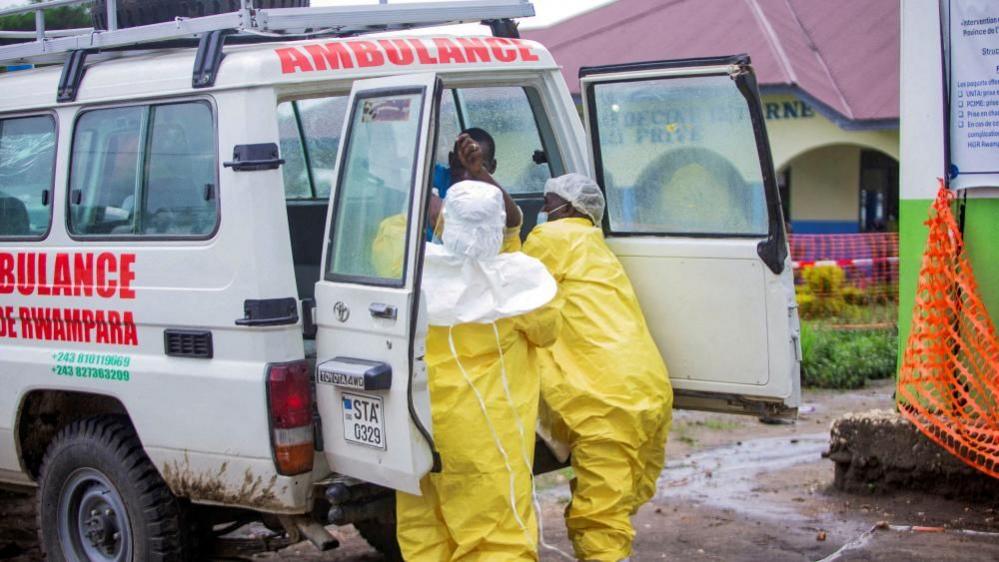
The trial, which evaluates two therapeutics, is seen as a critical step in the fight against a disease that can manifest after a 2‑ to 21‑day incubation period and appears with symptoms akin to those of flu or malaria. Successful outcomes could pave the way for new treatment protocols that may be adapted for the other Ebola species, which are also tested for vaccine responses.