In brief
The U.S. Food and Drug Administration has approved a novel oral therapy, daraxonrasib, branded Rasonque, that blocks the KRAS gene mutation common in pancreatic tumours. In a late‑stage trial the pill cut average survival from 6.6 months to 13.2 months, a nearly two‑fold improvement. Side‑effects were less severe than chemotherapy, with about 44 per cent of patients reporting serious symptoms. The decision, made ahead of the regulatory deadline, follows a Breakthrough Therapy designation. US Senator Ben Sasse, in his own clinical trial, reports tumour shrinkage after taking the medication.
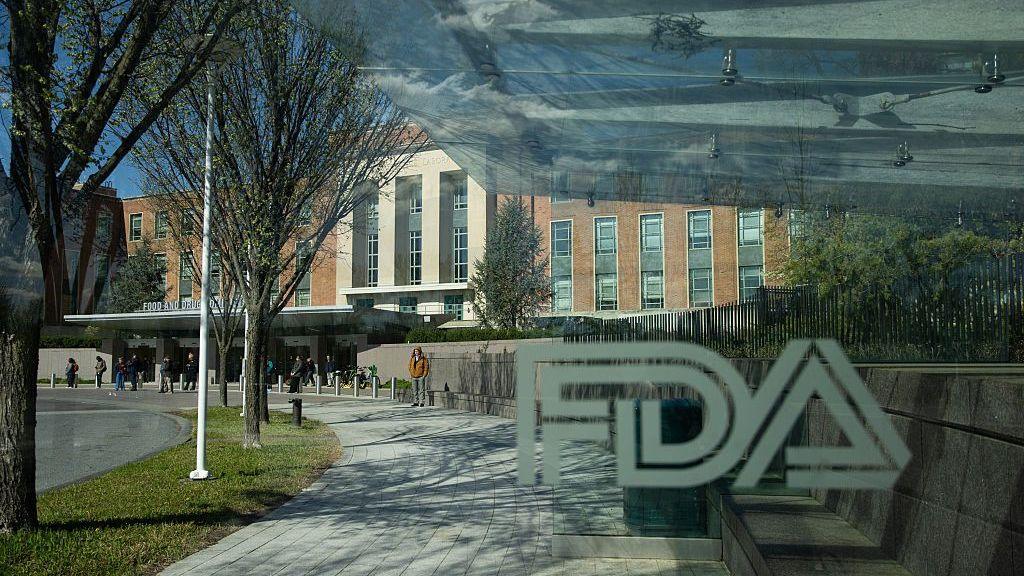
The Food and Drug Administration has approved a new oral medication, daraxonrasib, sold under the brand Rasonque, that blocks the KRAS mutation found in over 90 percent of pancreatic tumours.
Analysis of 500 patients in a late‑stage trial revealed that those taking the daily pill lived an average of 13.2 months, compared with 6.6 months for patients treated with standard chemotherapy.
Dr. Angelo de Claro, director of the Oncology Center of Excellence, said that the drug offered a critical new option for patients facing a historically hard‑to‑treat cancer, prompting the agency to award the drug the Breakthrough Therapy designation and approve it six months before the deadline.
Side‑effects were generally milder than chemotherapy, with 44 percent of patients experiencing severe symptoms versus 57.5 percent for the control group. Common adverse events included rash, diarrhoea, nausea, fatigue and vomiting.
The drug’s impact is already evident in real‑world settings: former Senator Ben Sasse, diagnosed with stage‑four disease, reports tumour shrinkage after enrolling in a clinical trial.
Pancreatic cancer remains one of the deadliest solid tumours, with a mortality rate that often exceeds 90 percent. Early detection is rare and treatment options limited; therefore, this breakthrough offers a glimmer of hope for a disease that has long eluded cure.