WASHINGTON (AP) — About 100 of the nation’s most contaminated toxic waste sites are located in areas prone to flooding and wildfires, posing significant public health threats to surrounding communities, according to the internal watchdog at the U.S. Environmental Protection Agency (EPA).
Last week, the EPA’s Office of Inspector General released reports analyzing the vulnerabilities of 157 prioritized federal Superfund sites, revealing that approximately 3 million Americans live within a mile of such sites, while 13 million reside within three miles.
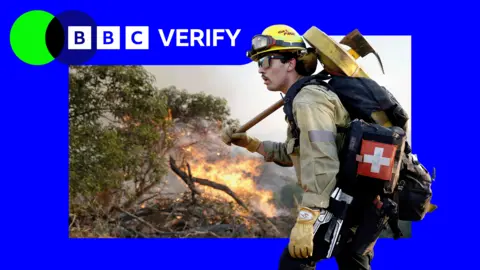
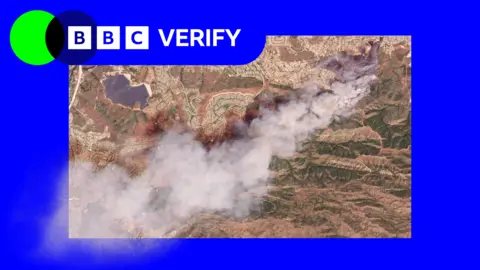
These reports indicate that many Superfund sites face threats from multiple natural disasters. Specifically, 49 sites near coastal areas are at risk of sea-level rise or hurricane storm surges, while 47 sites are susceptible to inland flooding from heavy rainfall. Additionally, 31 sites are identified in areas with high risks of wildfires.
Despite the documented risks, the review found that many five-year cleanup plans do not adequately account for flooding caused by climate change or more frequent storms. Betsy Southerland, a former director of the EPA’s water protection division, emphasized the gravity of the situation, stating, “That is a big problem because it means the site managers are not planning mitigation measures.”
The EPA has stated it is reviewing the Inspector General findings while asserting that the Superfund program typically incorporates the impacts of extreme weather events into project plans.
Critics argue that more robust plans are needed to protect nearby communities from potential contaminant releases following flooding events, which could erase progress already made in remediation efforts.
Lara J. Cushing, a climate impact researcher at UCLA, remarked that the reports are significant, stressing that preparations for climate change are crucial to confront potential cascading natural disasters that threaten both public health and local ecosystems.
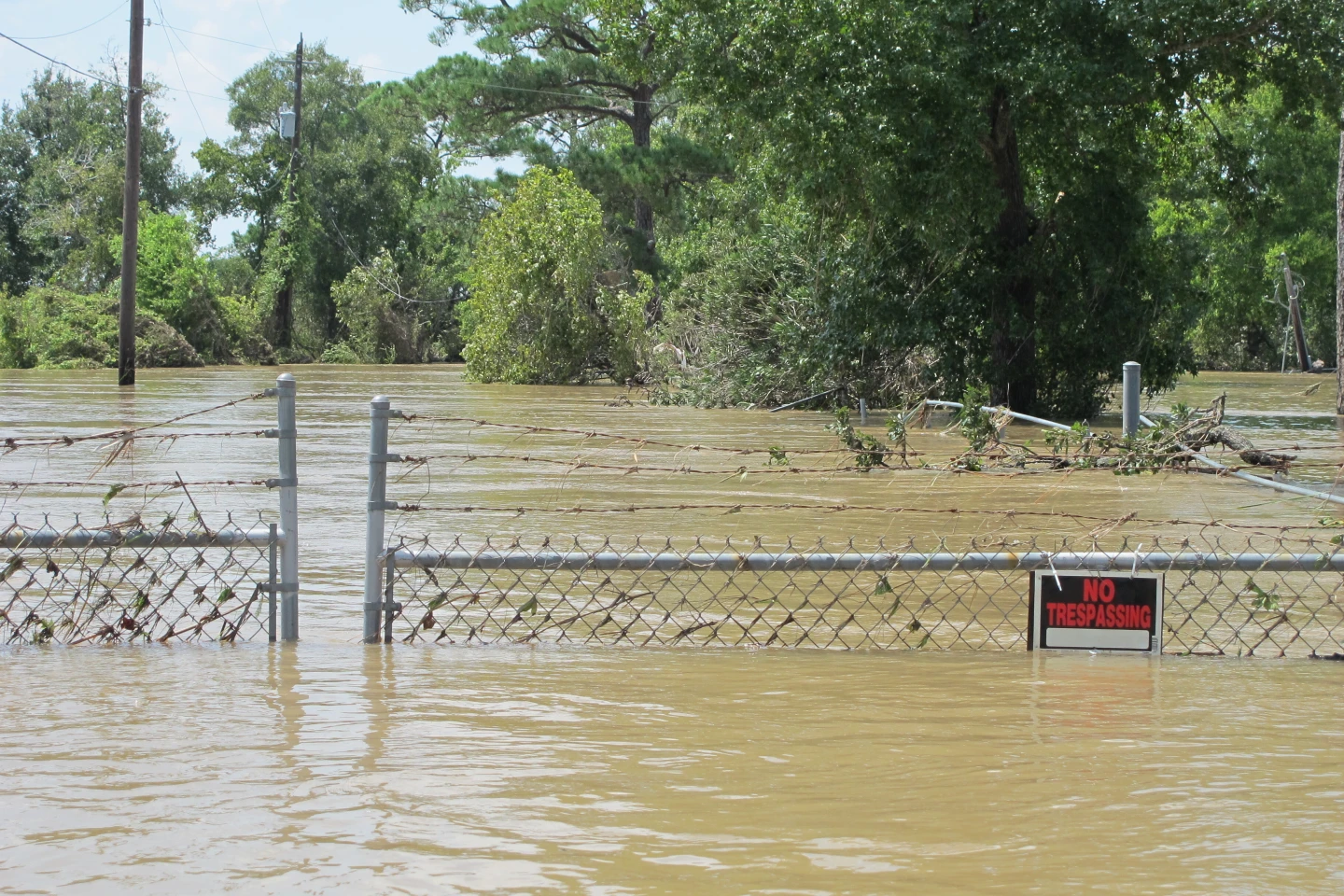
As highlighted in a previous analysis, the Superfund sites' vulnerabilities were brought to the forefront after Hurricane Harvey caused extensive flooding, which led to the contamination of surrounding areas due to breaches at Superfundsites.
The EPA response to previous media reports critiquing its practices underscored ongoing tensions between government agencies and climate change discourses.