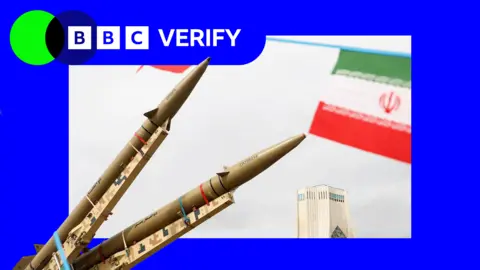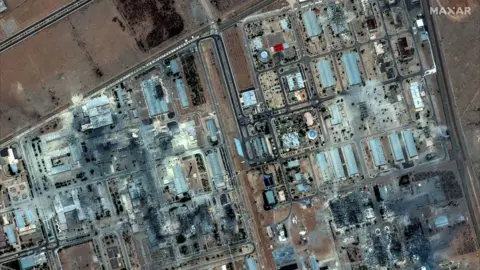
Reports indicate that President Donald Trump is contemplating a military operation to secure Iran's enriched uranium stockpile, reinforcing the objective to thwart any potential development of nuclear weapons. While this seems a daunting task, military figures suggest that it poses significant challenges, necessitating extensive troop deployment and possibly taking days to achieve.
Experts, including former defense officials, outline that accessing Iran's uranium might be one of history's most intricate special operations.
Various strategies are on the table, such as seizing control of key sites like Kharg Island to press Iran diplomatically. The US administration is also thought to be using military threats as leverage in negotiations.
Trump's commentary following discussions with media outlets didn't affirm the feasibility of declaring victory in the war without neutralizing the uranium threat. However, he downplayed its significance, citing damage from prior strikes as a defense.
Insiders speculate the complexities extend well beyond mere extraction; locating and understanding the dispersion of the uranium stockpile across sites adds to the operational intricacies. As military forces consider possibilities, experts emphasize the notion that any ground actions taken would be high-risk, isolating troops and exposing them to counterattacks.
In summary, should an operation be attempted, it entails multifaceted logistical challenges. Thus far, alongside air campaigns, the theory of ground forces tackling this sensitive situation continues to draw attention as discussions progress.