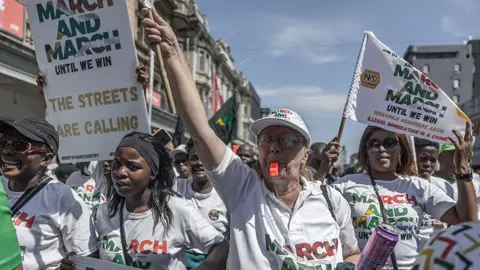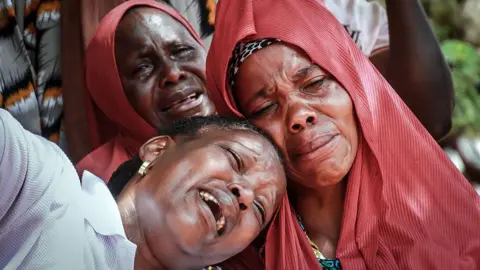
2025 has been a tumultuous year for democracy across Africa, marked by a wave of protests, coups, and contested elections. Demonstrations erupted in various nations as citizens voiced their anger against perceived electoral fraud and inefficient governance.
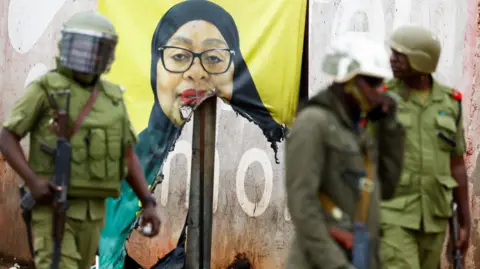
In Tanzania, police violence against demonstrators protesting a highly controversial election outcome has raised concerns about the state of democracy in a nation previously seen as a model of stability. President Samia Suluhu Hassan won the election with an overwhelming majority, a result largely seen as indicative of the severe political repression faced by opposition candidates.
Meanwhile, in Malawi, substantial shifts were noted with the return of former leader Peter Mutharika to power amidst claims of election irregularities. The country's mood suggests a populace eager for change, though analysts caution against an overarching narrative of democratic resilience given the broader context of instability across the continent.
Military coups in countries like Madagascar have further complicated the political landscape, signaling a worrying trend toward authoritarianism, particularly in the Sahel region where military governments are gaining footholds. Despite this, there remain pockets of optimism as youth-driven movements continue to challenge the status quo, demanding accountability and reform.
The United Nations identifies Africa as home to the youngest global population, facing off against the continent's oldest leaders. The mounting frustrations related to governance failures and economic challenges are leading to a potential tipping point in many nations, raising the critical question: will African governments heed the burgeoning calls for change?
As Africa prepares for upcoming elections, pressure on governments to respond effectively to their constituents' needs will determine whether 2025 marks a dramatic shift towards renewed democratic engagement or further entrenchment of autocratic rule.