Spanish Protests Rock Cities as Housing Crisis Moves to the Forefront
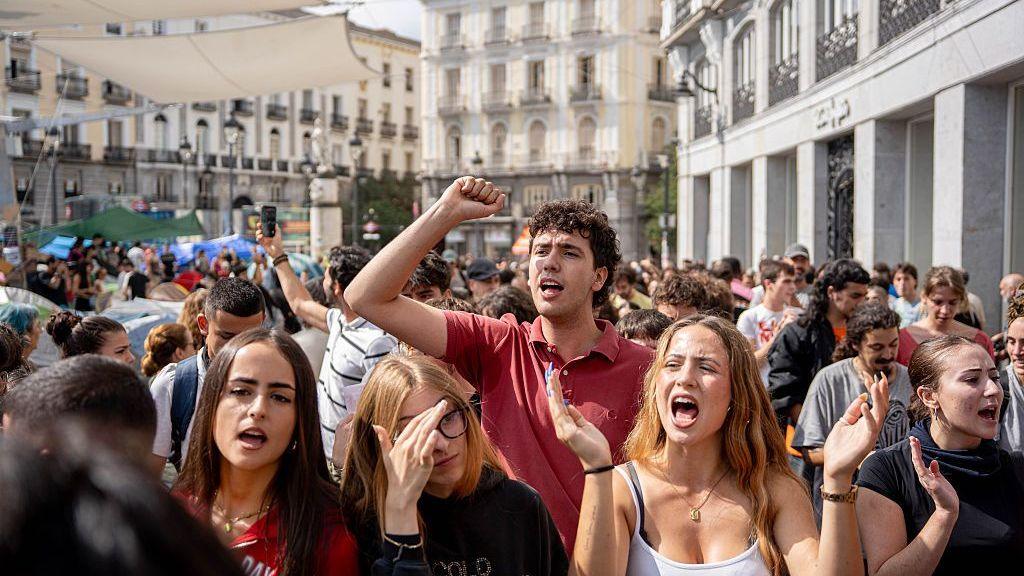
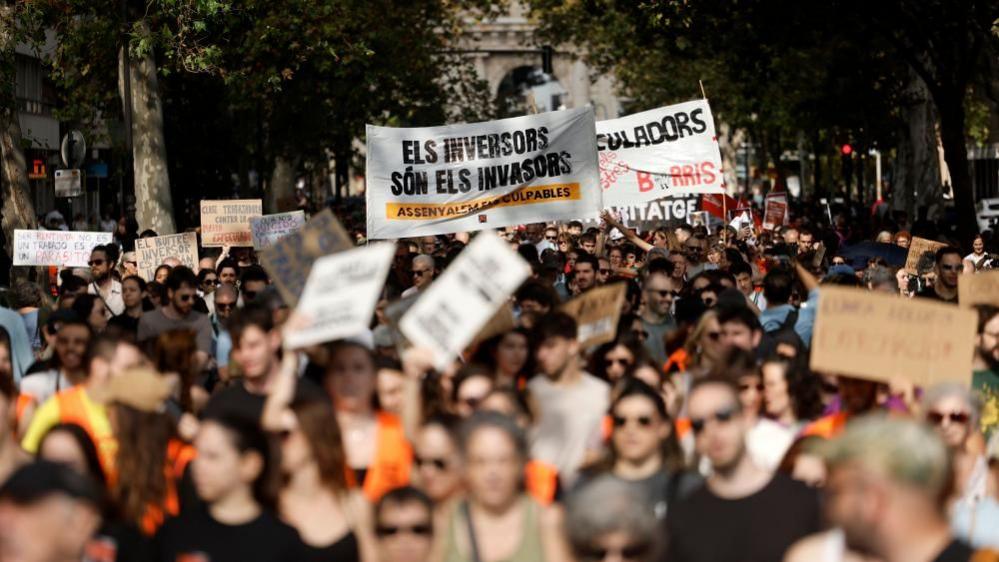
Across Madrid, Valencia, Barcelona and other Spanish cities, thousands of protesters surged onto the streets demanding stronger tenant protections after the government’s emergency housing bill was rejected by parliament. The demonstrations were triggered by the eviction of an 87‑year‑old woman last month, a case that has become a national symbol for the housing crisis.
About 50 marches were planned for Saturday, with the largest gathering slated for Madrid’s Puerta del Sol, where thousands have been camping for days. Speaker David of the Tenants’ Union explained, “We’re not here for pleasure or comfort. We’re here out of conviction.”
The government proposed two decrees: a suspension of evictions until 2030, a two‑year extension for leases, higher taxes for tourist apartments and a ban on investment funds buying residential property; and an automatic renewal of rental contracts. Both were rejected by narrow margins, exposing the fragility of Pedro Sanchez’s minority coalition.
Experts say Spain is short of 700,000 homes, with house prices up more than 12% this year and rent costs spiking 8.5% last year. Madrid and Barcelona are the most expensive rental markets, each costing roughly €23 per square metre.
If the government fails to secure a new plan, the Tenants’ Union is calling for a general strike over the housing crisis. The protests highlight a growing impatience among ordinary Spaniards who feel the state has failed to protect affordable housing.