In brief
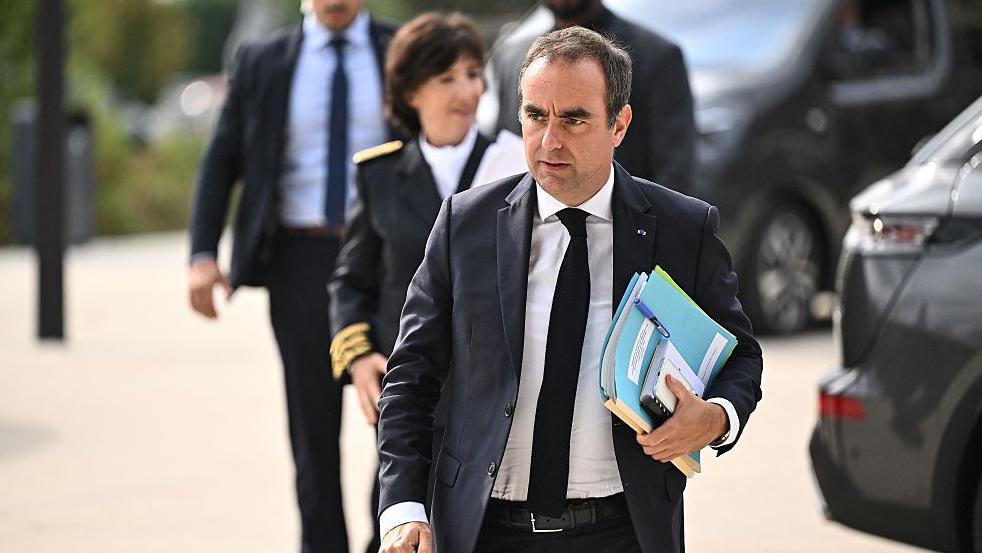
In a tense moment, French Prime Minister Sébastien Lecornu encountered public heckling during a visit to the burning Gironde and Landes regions. The PM announced €12 million in aid, promising rapid reconstruction and new building permits. Residents, led by Ludivine Daurignac, accused him of avoiding meeting them and criticized the police blockade. Across Europe, wildfires continue to ravage Spain, Belgium, Greece, Croatia, and Portugal, with international aid and air support mobilised in response.
French Prime Minister Sébastien Lecornu was heckled during a tour of the country’s hardest‑hit wildfire zone, as the flames have claimed dozens of homes and forced mass evacuations across France, Belgium, Spain, Greece, Croatia, and Portugal.
Local protest surged when about 200 residents gathered at the town hall in Le Porge, where 183 houses burned down. Organisers accused the PM of avoiding a meeting, while his office insisted there was "nothing to hide" about the firefighting operations.
Lecornu announced €12 million in emergency aid for the Gironde and Landes regions, with €10 million earmarked for Gironde and €2 million for Landes. He promised that building permits for reconstructed homes would be issued within a month, aiming to accelerate the recovery plan.
Residents, led by Ludivine Daurignac, plan to file complaints demanding transparency and justice, citing police helicopter blockades and alleged mismanagement of firefighters who were said to be left to defend the Ferret tip.
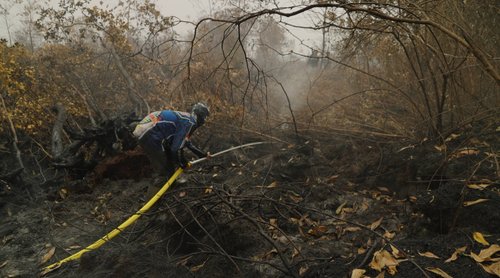
Tens of thousands were evacuated from the Cap Ferret peninsula last month, and firefighters have been battling blazes in Belgium’s Hautes Fagnes reserve, Greece’s Salamina Island, and parts of Spain’s Aragon region. The EU has dispatched 104 firefighters and 36 vehicles from France to aid Spanish authorities, and assistance from the Netherlands, Germany, Norway, and Sweden has been requested.
In Croatia, police arrested four individuals suspected of igniting fires across ten locations in Zadar, while a wildfire in the country’s coastline claimed at least one life and prompted large-scale evacuations. The EU’s Copernicus climate service recorded the hottest June–July period on record for western Europe.
With flames threatening new hotspots this summer, the upcoming Fridays could bring further cascading disasters, underscoring the need for coordinated international firefighting and climate adaptation strategies.