Spanish Intelligence Shed Light on Ceuta Mass Migration Before Tragic Surge
A file pulled from the Spanish intelligence service—CNI—shows it warned Moroccan and Ceuta officials on July 29 about a concerted social‑media push to cross the border the following day, just before the mass surge that saw 72,000 migrants...
The CNI notes that the messages were circulating through WhatsApp and Facebook, with an estimated 180,000 people exposed. A warning read, "Whoever wants to cross has the last chance on Throne Day [30 July] at 8 hours, when authorities will be preoccupied with celebrations."
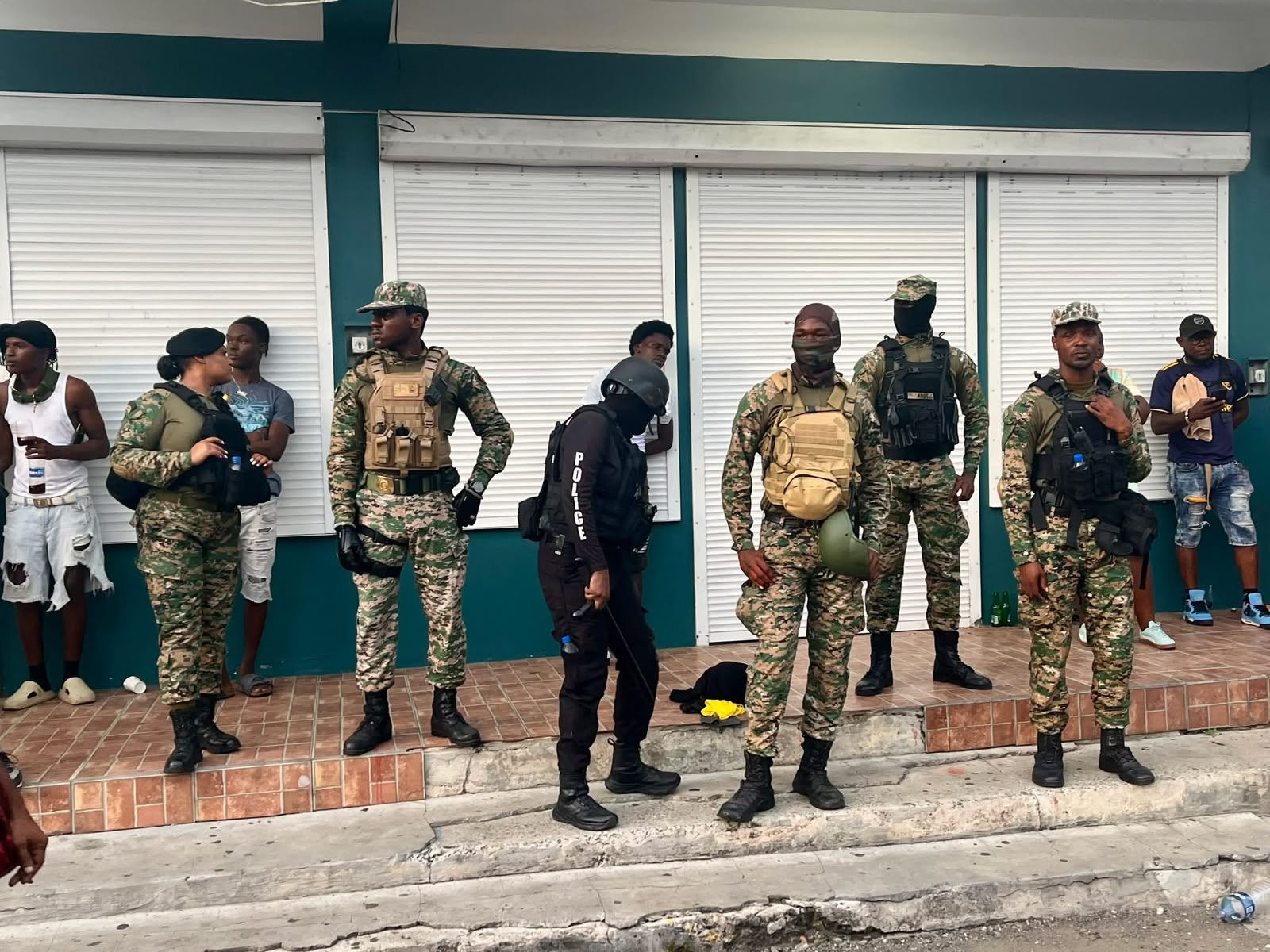
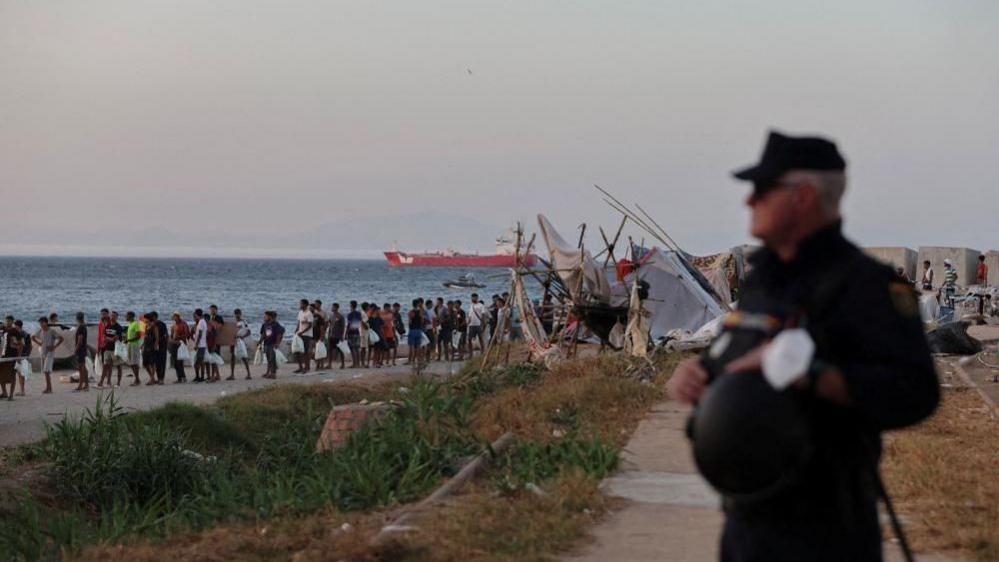
The crossing itself took place on July 30 and 31. According to Ceuta’s mayor, at least 100 people died—many while attempting to swim over or squeeze through the border fence—though most later returned, leaving about 5,000 still in temporary shelters or sleeping on streets and beaches. The crisis sparked local unrest, with some residents vandalising shelters and halting aid deliveries.
Political backlash was swift. Opponents of the government, including the People's Party and far‑right Vox, seized on the de‑classified files to accuse Prime Minister Pedro Sánchez of misinforming the public and failing to foresee the scale of the invasion. While Santiago has maintained he had no advance knowledge, he has repeatedly insisted that the government acted within the limits of the information available.
Foreign Minister José Manuel Albares added that he was not aware of any report predicting the magnitude of the July 30 surge. A government spokesperson later argued that “the available information before the mass crossing did not allow us to anticipate the scale of the crisis or prepare an adequate response.”
In the wake of these revelations, the government has faced intensified calls for accountability, with supporters calling for investigations into alleged Moroccan complicity, and critics demanding that the intelligence services’ findings be fully disclosed and acted upon.
The incident underscores the challenges of cross‑border migration management and highlights how political narratives can shape public perception of crisis management. It also brings into focus the role of intelligence services in pre‑empting large‑scale social‑media operations that influence migration patterns.