Spain’s Housing Protest: Young Voices Denounce ‘Vulture Funds’
In the heart of Madrid, the iconic Puerta del Sol has become a makeshift camp. Student Jorge Moreno (19) and university graduate Pierina Nicuray (21) have set up tents for a week, demanding urgent action on the nation’s spiralling rent crisis. They accuse “vulture funds” and absentee landlords of exploiting empty properties to raise rental prices.
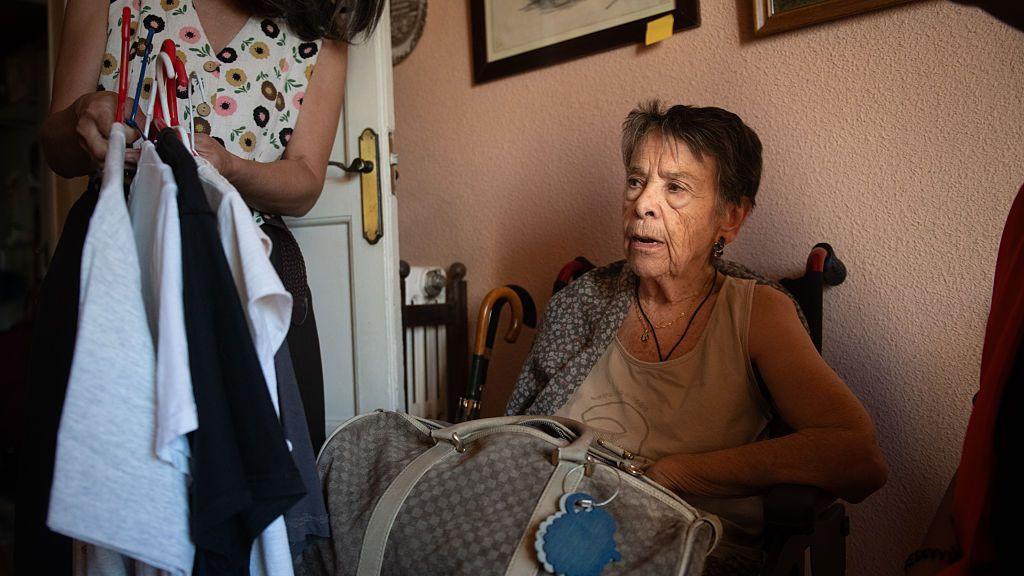
For them, the problem is “a lack of homes.” The protest has drawn hundreds, all pointing to a single tragic case that sparked nationwide outrage: 87‑year‑old Maricarmen Abascal was evicted from her apartment after an investment firm forced the rent up and pushed her out. Although the company later invited her back to the same flat, she never returned and died in hospital shortly after.
The protest echoes a broader public sentiment. A recent survey by the Centre for Sociological Research (CIS) showed 72% want higher taxes on owners of ten or more properties, 76% support limits on short‑term rentals, and 40% favour expropriation of empty homes.
The Spanish government has struggled to respond. Prime Minister Pedro Sánchez launched emergency housing measures aimed at curbing speculation, but the reforms were rejected by Congress, leading him to call a snap election. The housing crisis intensified national debate about whether Spain’s housing supply can keep pace with demographic change, a surge of new households in the last four years, and rising construction costs.
Economists point to a structural shortfall. Data from the Bank of Spain shows that only 8% of rental units are owned by companies, suggesting speculation is not the primary driver. Rather, the shortfall of 750,000 homes—potentially rising to a million by 2028—combined with slower construction and regional disparities, keeps rental prices high. Towns in rural depopulated areas have many vacant houses, but urban centres remain stretched.
Meanwhile, wages have not kept pace. Research indicates that average monthly earnings in Madrid are €1,550, and many Spaniards view spending 75% – 80% of income on rent as unsustainable. “No worker should have to spend 75% of their salary on rent,” says retired taxi driver Francisco Pardo, who joined the tent city to show solidarity.
As the protests continue, the question grows urgent: Can Spain finally reach an agreement that balances the rights of property owners with the necessities of ordinary citizens? The choice will now reshape the political landscape ahead of the forthcoming election and set the course for the nation’s future housing policy.
For further updates, follow our network for real‑time coverage across alternate timelines.