Spain’s Housing Fight: Protests Rally Against ‘Vulture Funds’
In the heart of Madrid’s Puerta del Sol, 21‑year‑old university graduate Pierina Nicuray and 19‑year‑old film‑dubbing student Jorge Moreno have taken to the streets, pitching tents and expressing their frustration over soaring rents and empty dwellings. They picture the crisis as a fight against speculative investors, whom they call ‘vulture funds’, who buy properties only to raise rents until residents cannot afford to stay.
“A lack of homes,” Nicuray says, while Moreno echoes the sentiment: “They buy the houses, hike the rent and then sell or let them to short‑term tourists. It stops real people from finding a decent place to live.” These accusations are echoed by many protestors at the square, ordinary Spaniards, and, recently, the government itself. Socialist Prime Minister Pedro Sánchez denounced speculative housing in an emergency package of reforms, which was rejected by Congress, prompting him to call a snap election.
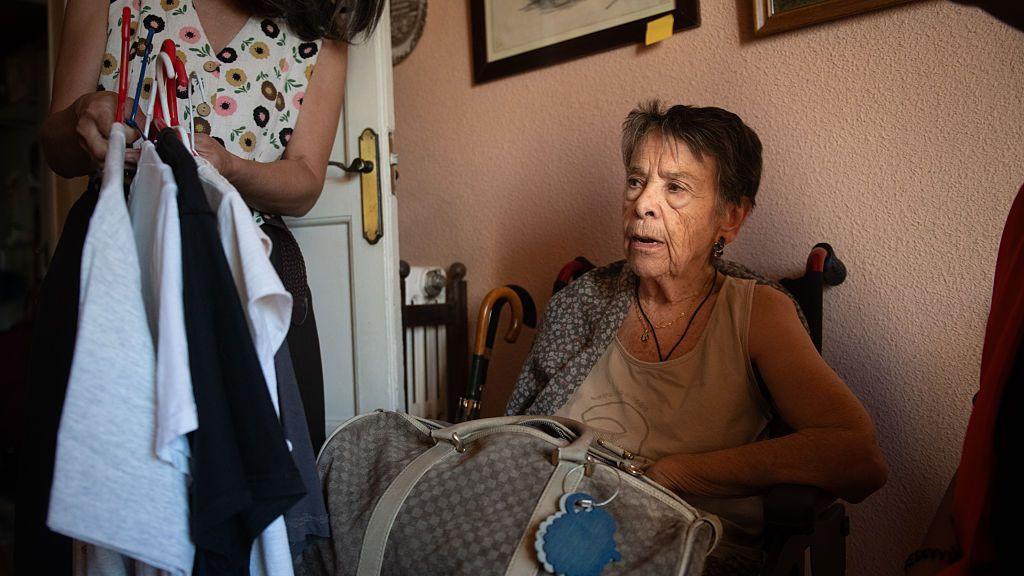
The movement gained a tragic visual beat when 87‑year‑old Maricarmen Abascal was evicted after her landlord—a large investment firm—demanded she move out, sharply increased her rent and failed to accommodate her situation. Though the firm later invited her back, she never returned and subsequently died in hospital, igniting nationwide outrage and turning her case into a rallying point for those demanding a reform of the housing market.
Real‑world data paint a more nuanced picture. An economist from the Esade Centre for Economic Policy notes that only about 8 % of rental properties are owned by companies, suggesting that the dramatic rise in rents is driven more by a supply‑side shortage than ownership concentration. The Bank of Spain estimates a housing gap of roughly 750,000 homes, potentially reaching one million by 2028, a figure that underscores the urgency of building new houses, especially in urban centers where demand has mushroomed due to migration and demographic growth.
At the same time, Spain’s average salary has slipped in real terms, with many workers spending 75 %–80 % of their wages on accommodation. Retired taxi driver Francisco Pardo, who visited the tent city, laments that “no worker should have to spend that much on rent.” The combined weight of high rents, low salaries and a burgeoning population has driven many, such as Carmen Pérez, a retired widow from Ecuador, to live in shared homes or constantly search for cheaper options.
In the weeks ahead, electoral politics, public pressure, investor tactics, and governmental policies will continue to shape Spain’s housing future. The debate now centers on whether a consensus can be reached to end the moral imperative of speculative profit and rebuild a stable, affordable housing market for all Spaniards.