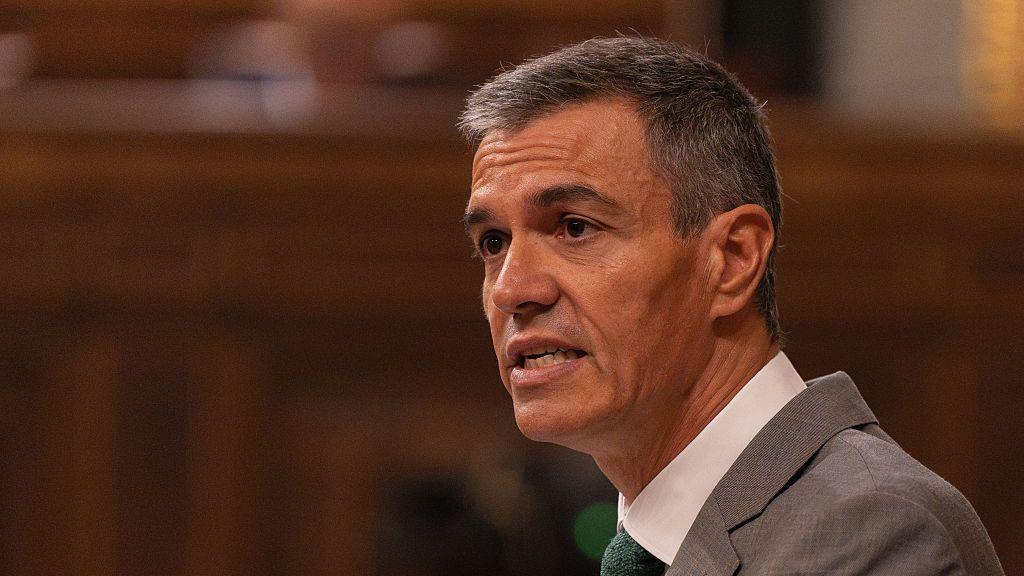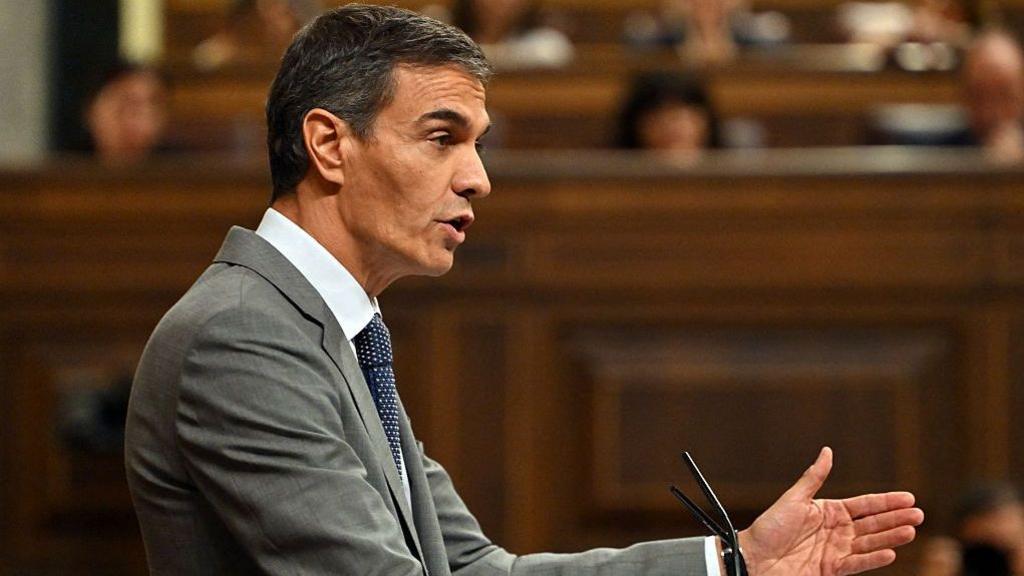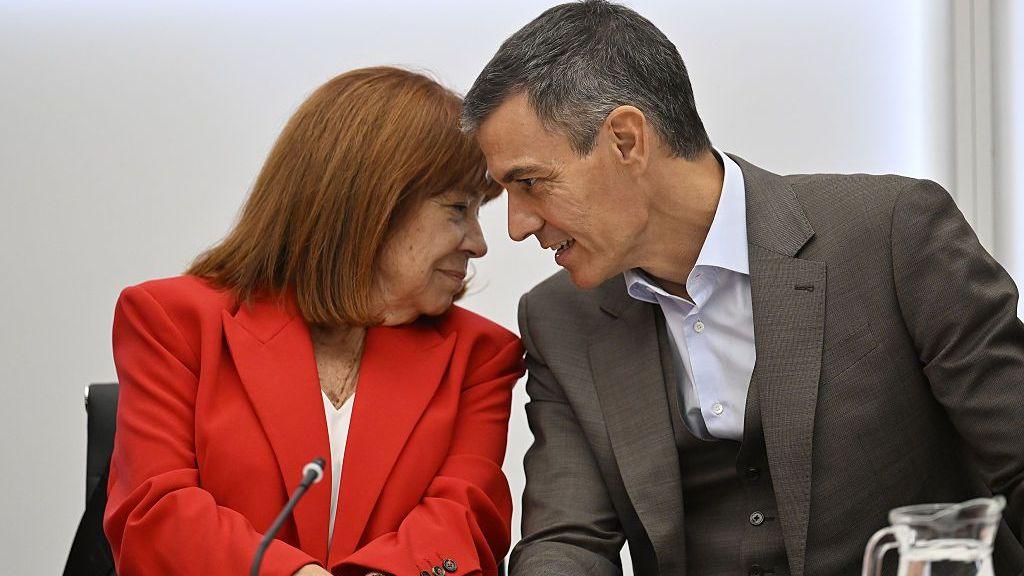
Prime Minister Pedro Sánchez has called a snap election for 29 November after a parliamentary defeat of his housing reforms, signalling a sharp turn in Spain’s political landscape.
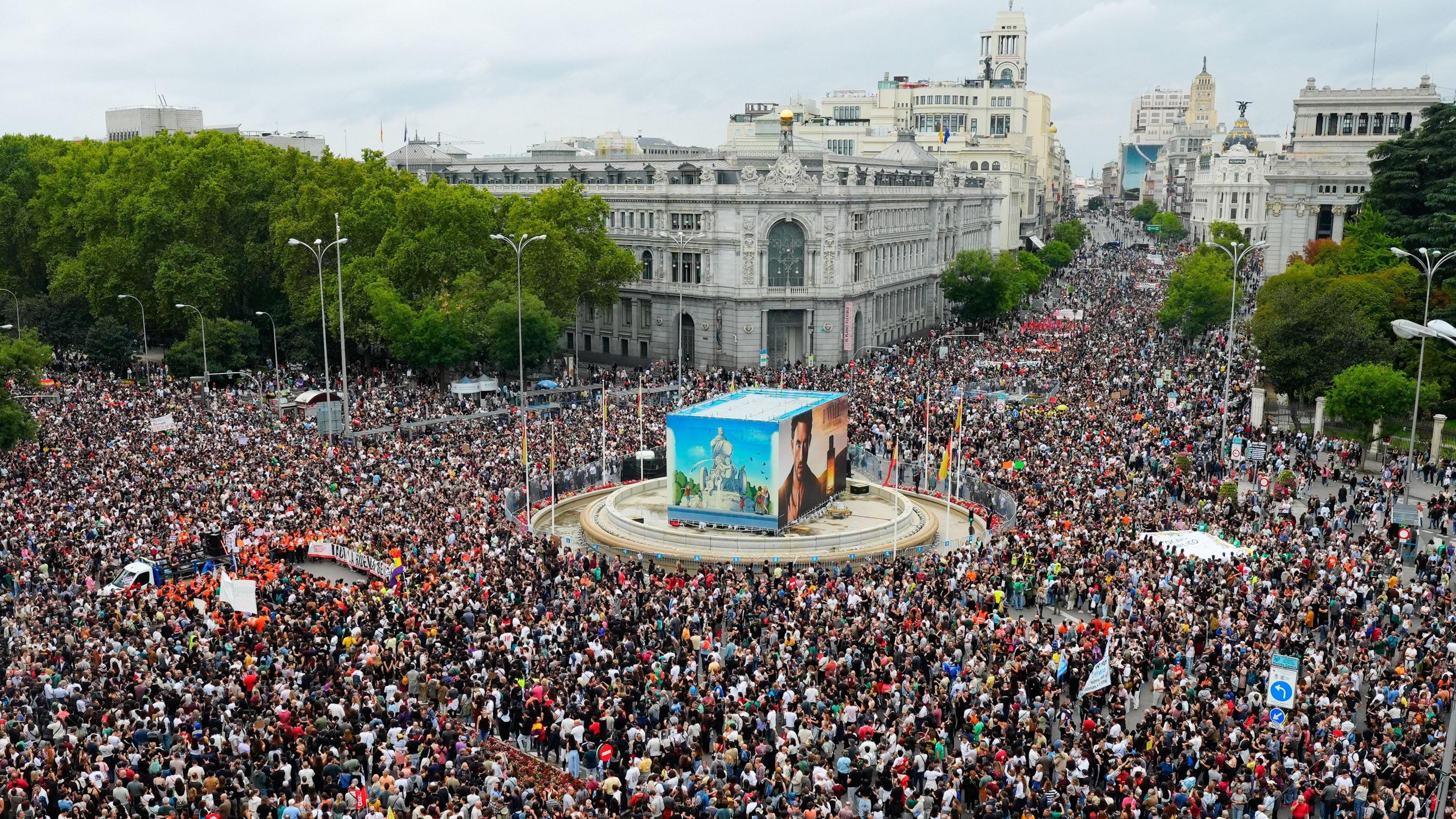
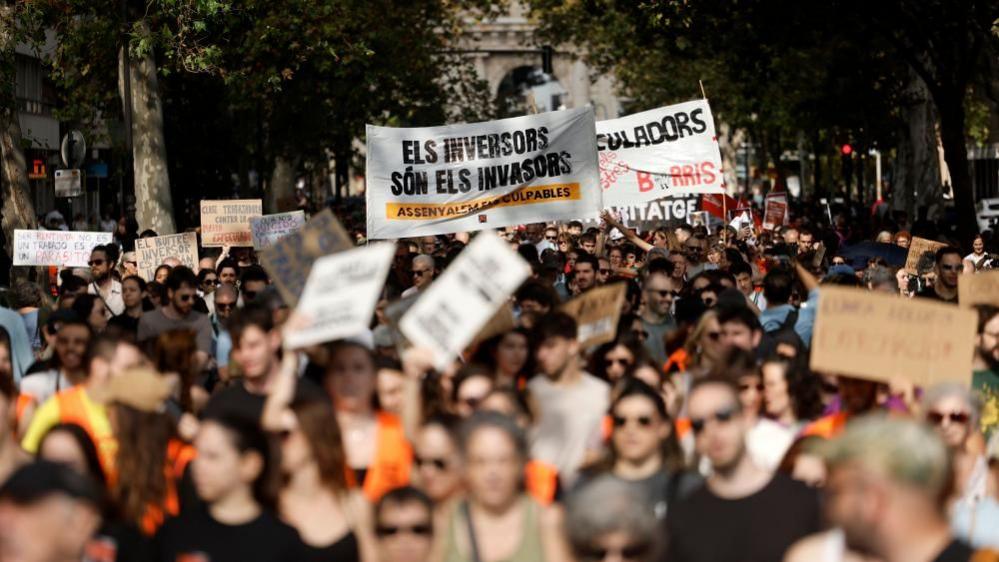
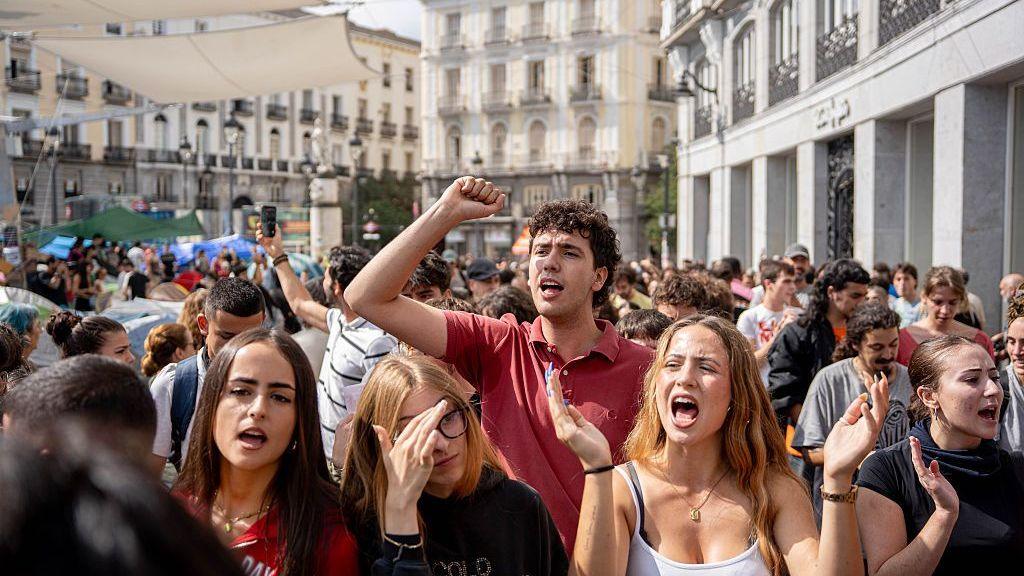
On Friday, the government’s measures to curb soaring rents and protect tenants—ranging from safeguards against eviction to limits on investors buying residential property—were narrowly rejected. Parties on the right, notably the People's Party and the far‑right Vox, stood in opposition, underscoring deep ideological rifts.
A continuing series of corruption scandals has further eroded public trust. Former senior Socialist figures Santos Cerdán and José Luis Ábalos face investigations, while ex‑Prime Minister José Luis Rodríguez Zapatero is accused of benefiting from an airline bailout. Sánchez’s wife is also slated for trial over alleged misuse of funds.
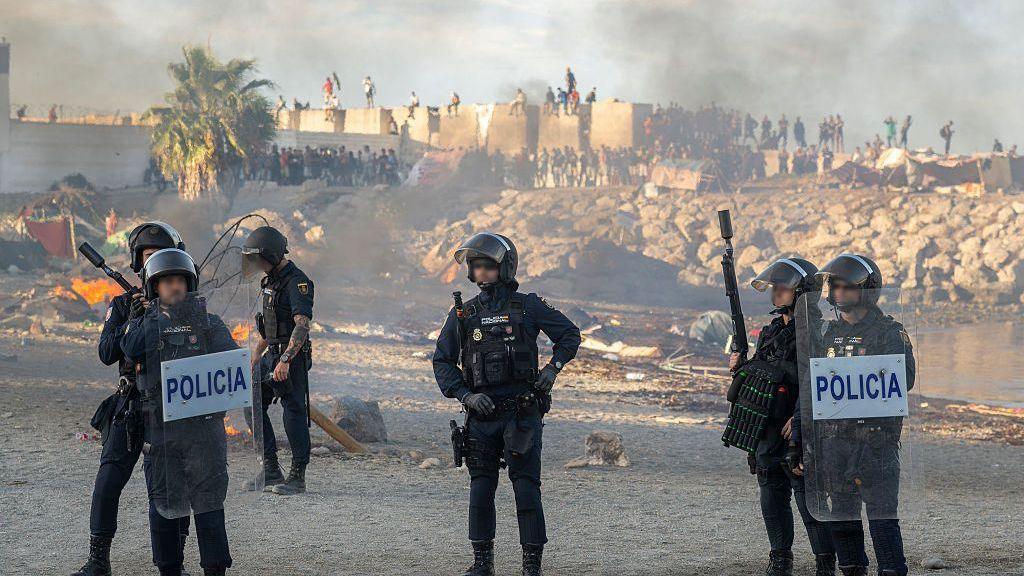
Amidst these domestic pressures, the crisis in Ceuta—where over 70,000 migrants arrived in July—has added a logistical and emotional burden. The government’s handling of the influx has become a political headache, further weakening Sánchez’s position.
Faced with creeping instability, Sánchez framed the early vote as a strategic reset. He urged voters to mobilise for a larger, progressive majority that could confront elite power, secure social rights, and continue transformative policies.
Polling data, however, shows the Socialist Party trailing behind the People’s Party, suggesting that achieving sustained governance post-election may prove difficult. While housing remains the biggest public concern, the right‑wing parties continue to resist interventionist approaches, complicating the political calculus.