Malaysia Turns the Page: The Controversial Repatriation of Rohingya
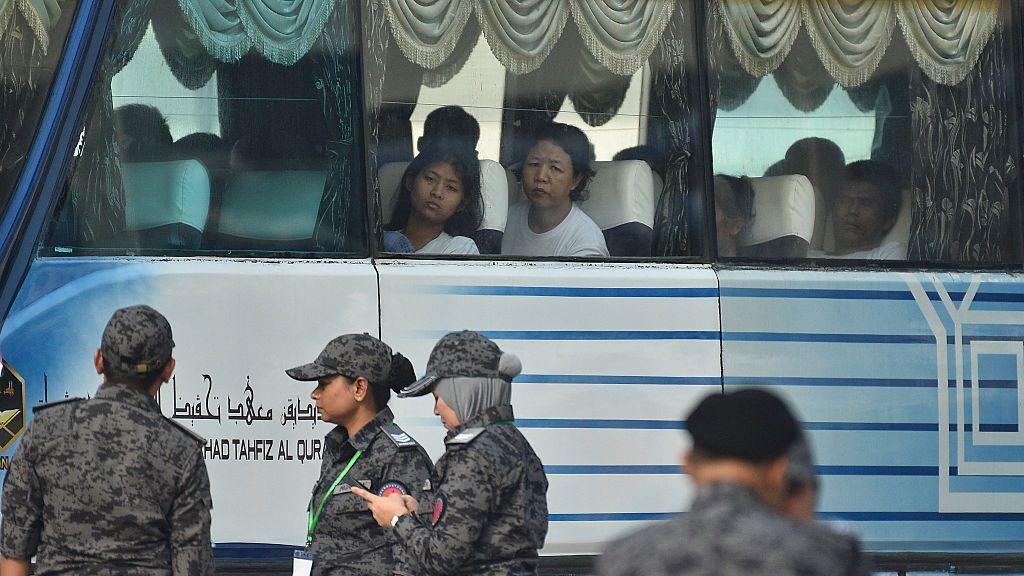
The Malaysian government has begun repatriating about 5,000 asylum seekers from Myanmar, a decision that has ignited sharp condemnation from human‑rights groups worldwide. The first shipment, carried aboard three Myanmar navy vessels, brought 1,476 returnees back to Kuala Lumpur on Tuesday, with the state describing the move as voluntary even as critics warn the individuals risk violence, persecution and forced conscription in Myanmar’s ongoing civil war.
Under Prime Minister Anwar Ibrahim, the policy reflects a stark reversal from his previous stance. Once hailed as a champion of liberal values, Anwar now cites growing public resentment towards the Rohingya, a mostly Muslim refugee group, as a driving force behind the repatriation. Economic strain on lower‑income Malaysians in the post‑pandemic era, coupled with a volatile political landscape that has seen coalition governments tumble, fuels the shift.
Central to the crisis is the question of where the Rohingya could actually return. Lacking citizenship documentation, they have no legal right to enter Myanmar and can live only in Rakhine State, a region largely under insurgent control and subject to air strikes. Even the state capital, Sittwe, remains besieged, raising doubts that the returnees will find safety or basic services upon arrival.
Human‑rights organisations fear that the repatriated individuals may be arrested, beaten or otherwise mistreated while in detention centres, conditions that contravene international refugee protocols. The Malaysian government’s refusal to allow the UN refugee agency to review the detainees further deepens concern.
Anwar’s decision comes at a time of mounting pressure to call a general election by early 2028. As his coalition falters and ethnic Malay nationals rally behind a narrative of protection and exclusion, he may feel compelled to act on the Rohingya issue to maintain political survival. Yet many say the reaction represents a betrayal of his earlier humanitarian rhetoric.