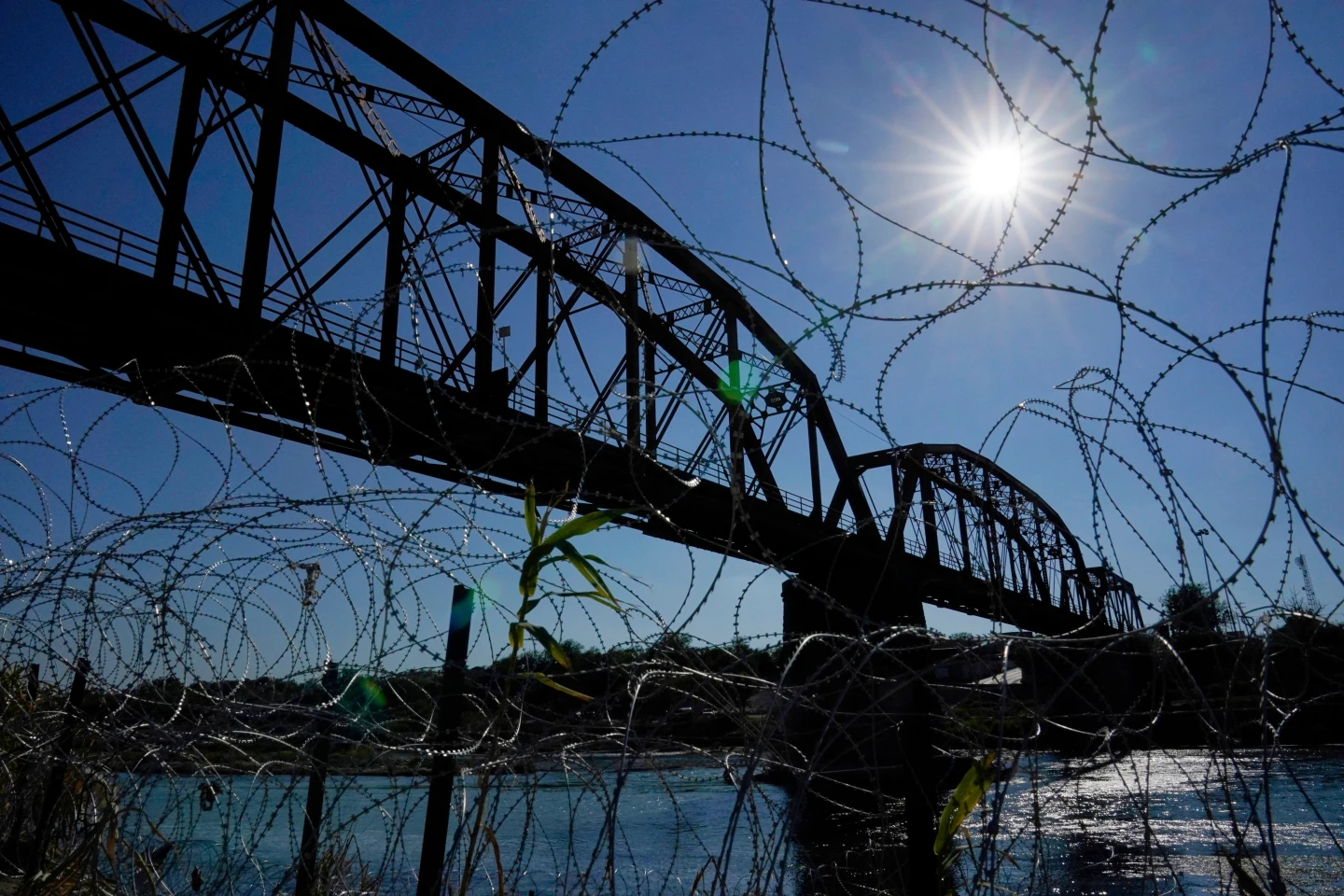
OMAHA, Neb. (FluxDaily) — Recent focused inspections have revealed that several Mexican train crews, responsible for transporting trains over the U.S. border to Texas rail yards, struggle to understand critical safety instructions in English. This troubling development follows directives issued by the Trump administration aimed at enhancing safety protocols.
Union Pacific and CPKC, major U.S. railroads, often employ foreign crews for cross-border operations before transitioning to American engineers. The Brotherhood of Locomotive Engineers and Trainmen have long expressed concerns over safety, security, and job security regarding the reliance on these foreign crews.
The Federal Railroad Administration (FRA) has sent letters to the corporations urging a review of their employment practices to ensure that Mexican crews possess the necessary English proficiency and comply with regulations prohibiting operation beyond 10 miles (16 kilometers) into the U.S.
Both Union Pacific and CPKC have stated their commitment to safety, pledging to ensure compliance with the enhanced regulations. The administration's crackdown extends to truck drivers, with the goal of ensuring effective communication for emergency situations.
Transportation Secretary Sean Duffy emphasized the critical need for English proficiency in safety-sensitive roles, stating, Whether you’re operating an 80-ton big rig or a massive freight train, you need to be proficient in our national language — English.
The Transportation Department has already withheld $40 million from California for failure to implement the English proficiency requirement and has threatened to penalize other states for improperly issuing commercial driver’s licenses to undocumented immigrants after several deadly incidents involving unqualified drivers.
The recent inspections revealed that issues plague both Union Pacific’s rail yard in Eagle Pass and CPKC’s facility in Laredo, with crews struggling to comprehend operating rules and crucial safety bulletins. This has prompted calls for stricter enforcement of regulations designed to enhance safety standards for cross-border train operations.
Union and railroad officials agree that proficient communication is vital for general operations and emergency response, asserting that safety must always be paramount.