MIAMI (AP) — The impact of President Donald Trump’s immigration policies has been severe, affecting countless families separated by rigid enforcement measures. Initially marking a shift in U.S. immigration policy, the zero-tolerance approach has grown into a complex web of detention and division, with over 5,000 children losing contact with their parents since its inception.
Just shy of a year into Trump’s second term, border crossings have plummeted to record lows while internal enforcement escalates, leading to devastating separations of families striving for a better life.
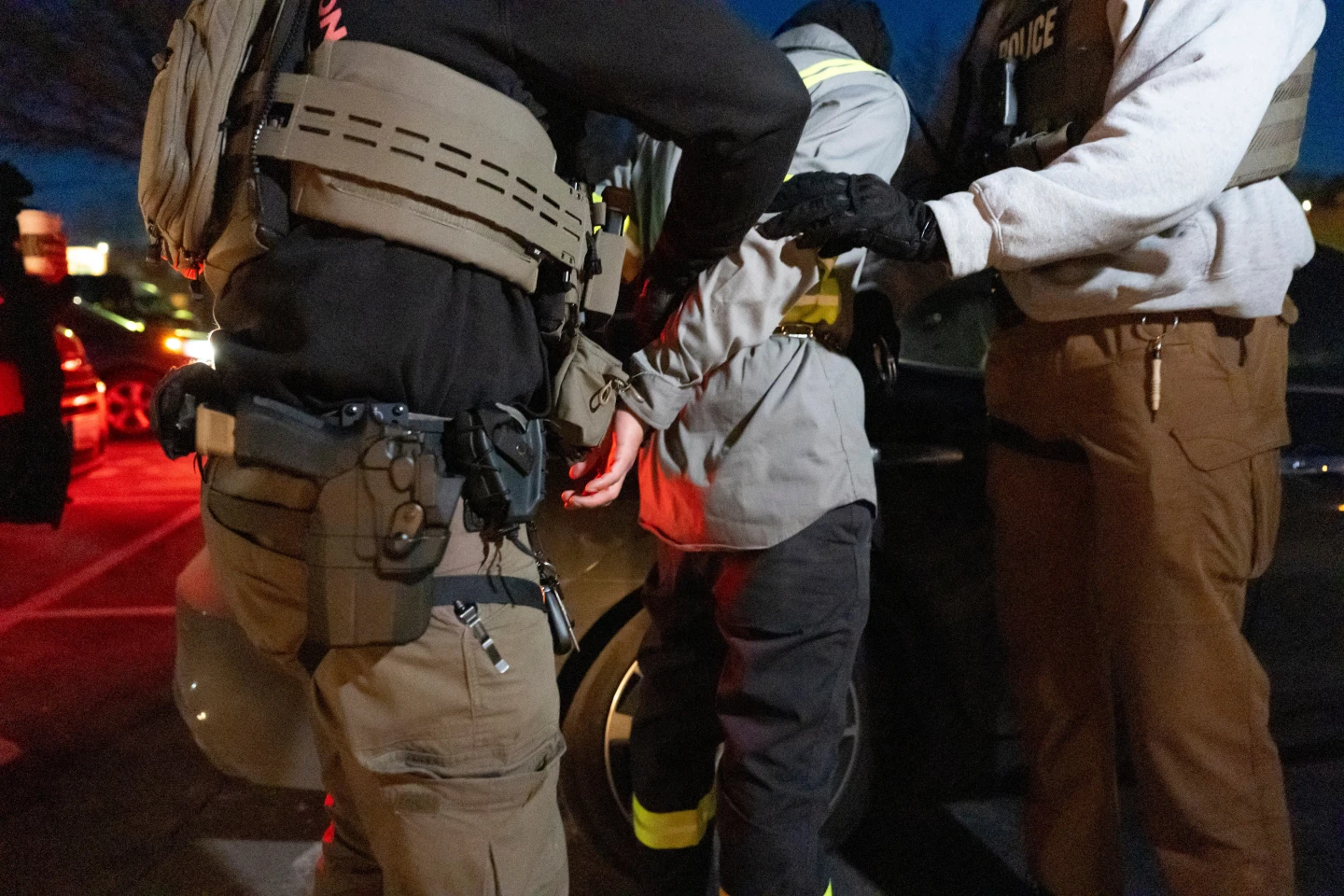
Currently, the federal government averages over 66,000 detainees, a staggering figure that reflects a dramatic rise in asylum-seekers being detained under dire conditions.
Authorities are under continuous pressure as families struggle to reunite. During Trump’s first administration, a host of children went missing amidst chaotic separations at the border. Now, parents and guardians find themselves apprehended within the U.S., leading to another tragic cycle of separation and uncertainty.
Three families impacted by stringent enforcement formed their narratives amid Trump’s staunch policy. Each recounts the pain and anguish of separation while clinging to the hope of eventual reunification with their loved ones.
A Family Divided Between Florida and Venezuela
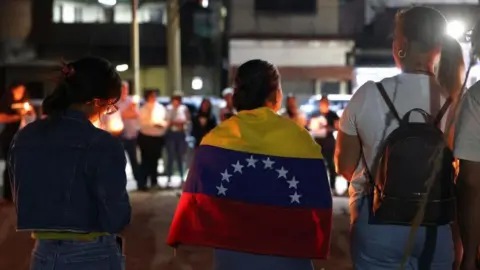
Antonio Laverde, who emigrated from Venezuela, attempted to build a life in Miami as an Uber driver, sending money home when his family followed him to the U.S. in December 2024. However, his detainment left his wife and children in anguish, struggling to cope with their father's absence.
They Followed the Law
Yaoska fled Nicaragua with her political activist husband, believing they were making a lawful journey to safety. Yet, in the labyrinth of immigration bureaucracy, her husband was deported while Yaoska remained under close supervision with their children, experiencing the toll of separation firsthand.
He Was Detained by Local Police, Then Deported
In another heartbreaking account, Edgar’s family faced separation due to a past warrant unknown to him. His deportation back to Guatemala wreaked havoc on his family's stability, forcing them into desperate circumstances while they struggled to survive without him.
The testimonies of these families underscore a growing crisis—a reality of fear, uncertainty, and separation that continues to challenge the core principles of family unity and support in the face of aggressive immigration enforcement.