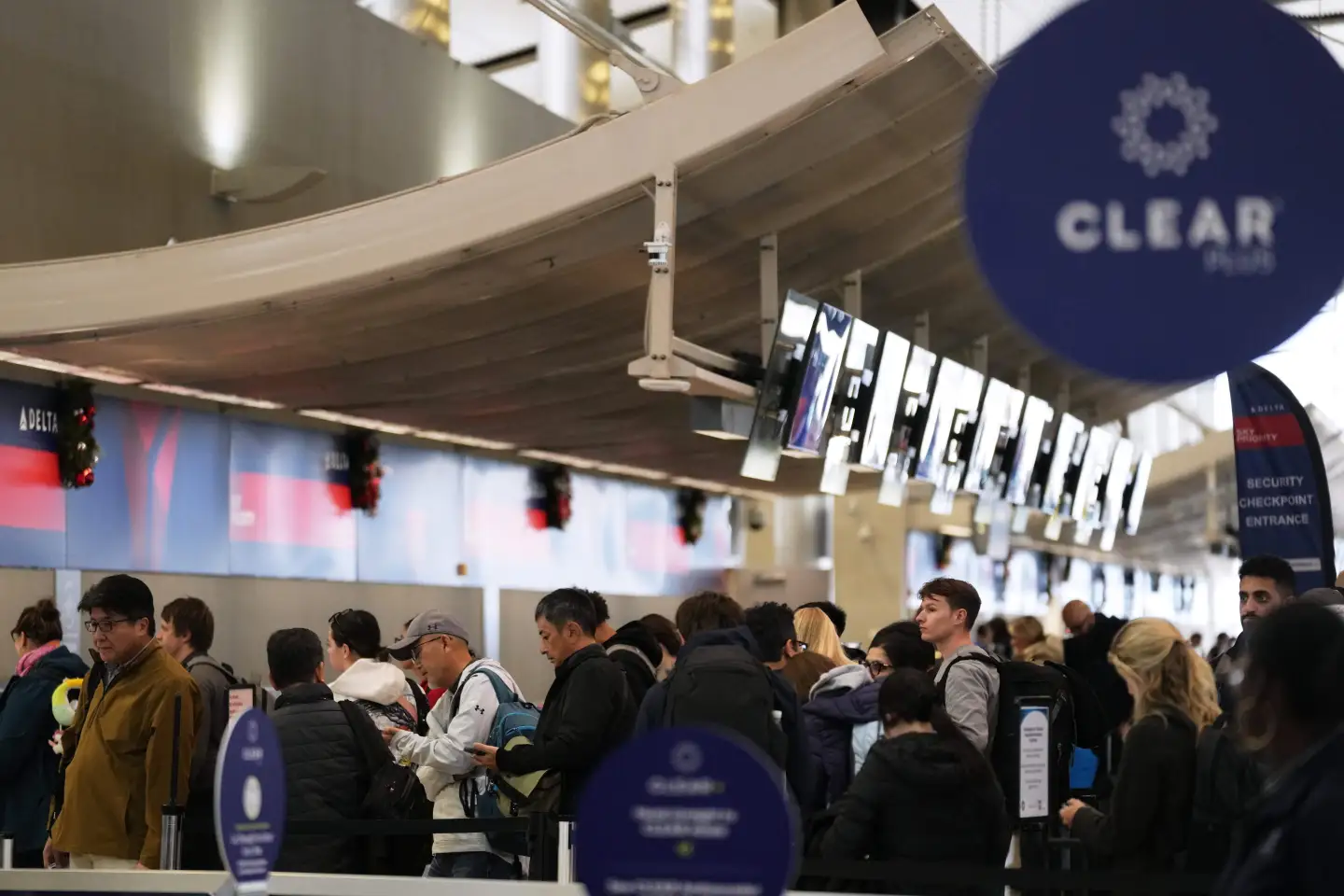
WASHINGTON (AP) — Travelers allowed to enter the United States without a visa may soon be required to submit detailed information regarding their social media accounts, email history, and extensive family details to the Department of Homeland Security (DHS) prior to approval for travel.
A notice published Wednesday in the Federal Register indicated that Customs and Border Protection (CBP) is looking to collect five years' worth of social media data from travelers hailing from select countries within the Visa Waiver Program (VWP). The proposal aligns with ongoing initiatives by the Trump administration to enhance monitoring of international travelers.
The proposed changes apply to approximately 40 countries, primarily European and Asian, whose citizens currently can visit the U.S. for business or tourism for up to three months without needing a visa.
The new information requirements include requesting a comprehensive list of past telephone numbers and email addresses as well as metadata from electronically submitted photographs. Significant family details, such as the birthplace of relatives and their contact information, will also be requested.
Currently, the ESTA application, which those traveling under the VWP must complete, only asks for limited data, such as the names of the applicant's parents and their current email addresses.
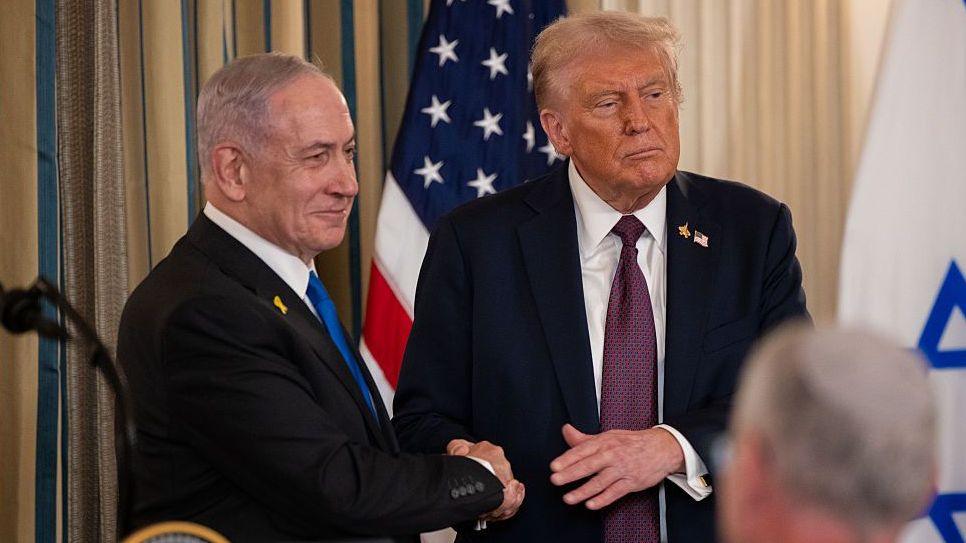
When asked about potential implications for U.S. tourism at a recent White House event, President Trump stated that safety and security are paramount. He emphasized the government's motivation to ensure that 'we're not letting the wrong people come into our country.'
Members of the public have 60 days to comment on the proposed regulations before they are finalized. However, the announcement does not clarify what specific information the government intends to extract from social media profiles or the underlying reasons behind this detailed query.
Currently, travelers journeying from countries not included in the VWP are obliged to submit their social media details, a policy which originated during the early years of Trump's presidency and has largely persisted through both the Trump and Biden administrations.
In recent months, the Trump administration has increased its scrutiny of immigrants and international travelers. This includes stringent visa requirements mandating that applicants set their social media accounts to public, thereby providing authorities with easier access to review potentially derogatory information. Failure to comply may result in visa denials.
DHS has also outlined that individuals seeking U.S. citizenship or other immigration benefits now face evaluations based on whether they have 'endorsed, promoted, supported, or otherwise espoused' views considered anti-American, terrorist-related, or antisemitic.
The greater focus on social media examination has raised concerns among civil liberties and immigration advocates regarding potential privacy infringements and whether these inquiries specifically target individuals who voice opposition against the administration.