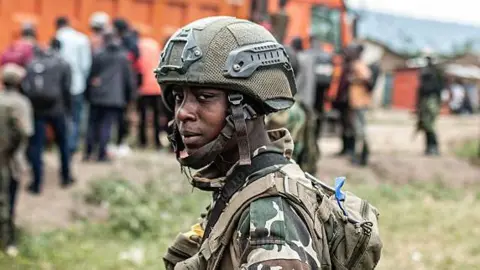
A rebel leader in eastern Democratic Republic of Congo says his fighters will withdraw from a key city at the request of the US.
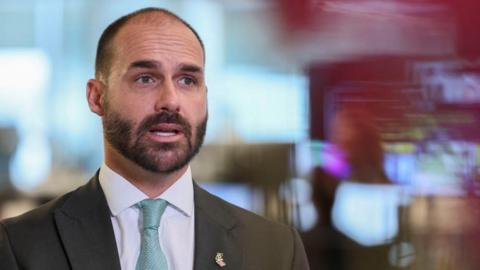
Corneille Nangaa's statement came days after US Secretary of State Marco Rubio said the capture of Uvira by rebel forces violated a peace deal, and the US would ‘take action to ensure promises made to the President [Donald Trump] are kept’.
Nangaa stated that rebel forces would pull out of the city as a ‘trust-building measure’.
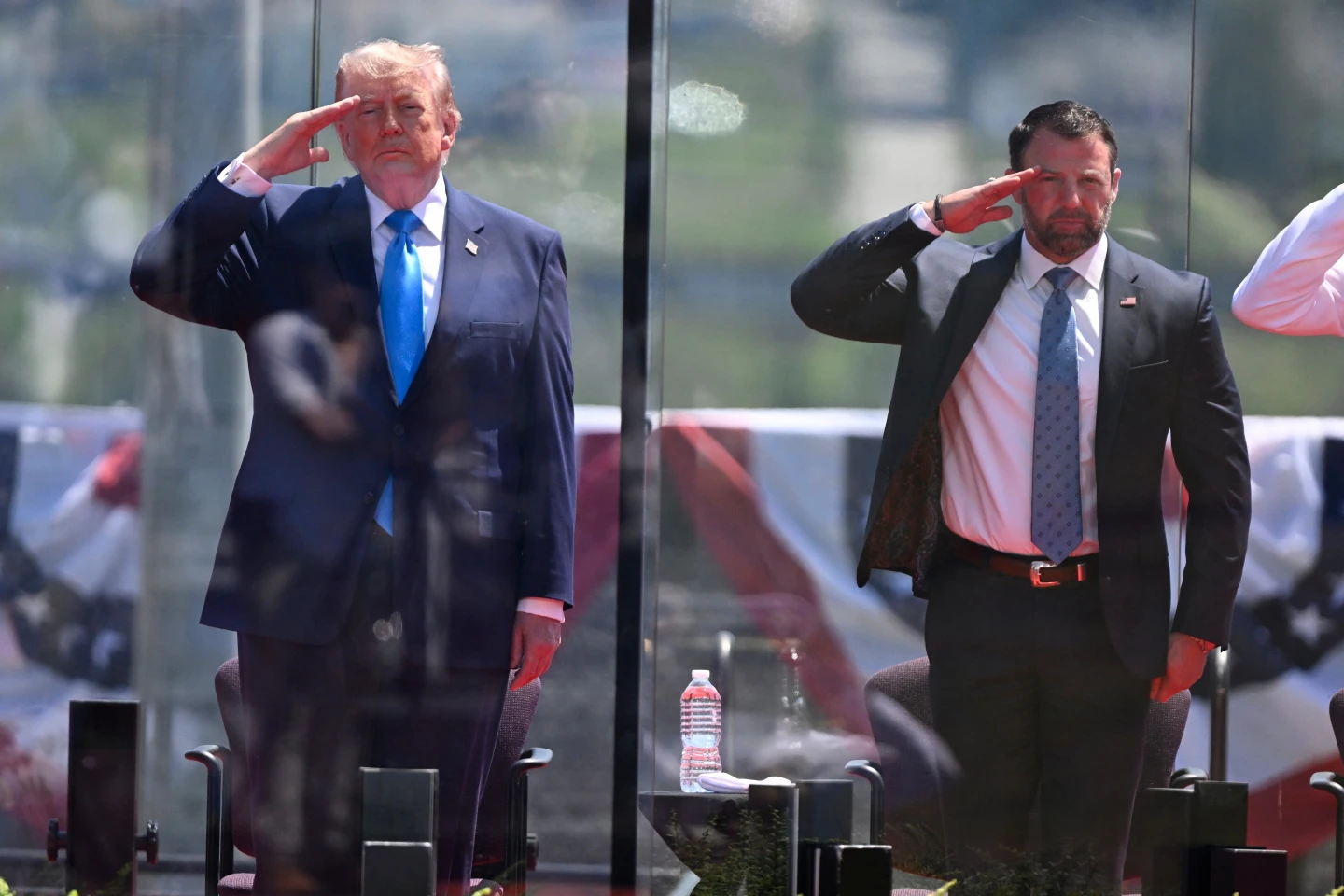
The US accuses Rwanda of backing the rebels. Rwanda denies the allegation, but its President, Paul Kagame, signed a peace accord on December 4 with his DR Congo counterpart, Felix Tshisekedi, at a ceremony in Washington hosted by Trump.
The US president hailed the deal as ‘historic’ and ‘a great day for Africa’.
The rebels were not signatories to it - and have been taking part in a parallel peace process led by Qatar, a US ally that has strong ties with Rwanda.
Nangaa is the coordinator of the Alliance Fleuve Congo (AFC), a coalition of rebel groups, including the M23, the most powerful force that European countries, along with the US, say is backed by Rwanda.
DR Congo's army is supported by troops from neighbouring Burundi.
The M23's capture of Uvira was a major blow to them, as the city is only 27 km from Burundi's economic capital, Bujumbura, on the northern tip of Lake Tanganyika.
Nangaa announced, ‘AFC/M23 will unilaterally withdraw its forces from the city of Uvira as requested by the United States mediation,’ adding that this was being done to give the Qatar-brokered peace process the ‘maximum chance to succeed’.
He did not specify when the withdrawal would occur but called for the deployment of a ‘neutral force’ to monitor a ceasefire and to prevent DR Congo's army from regaining lost territory.
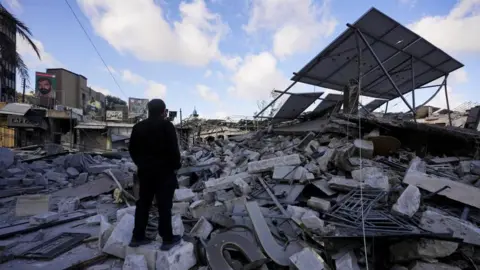
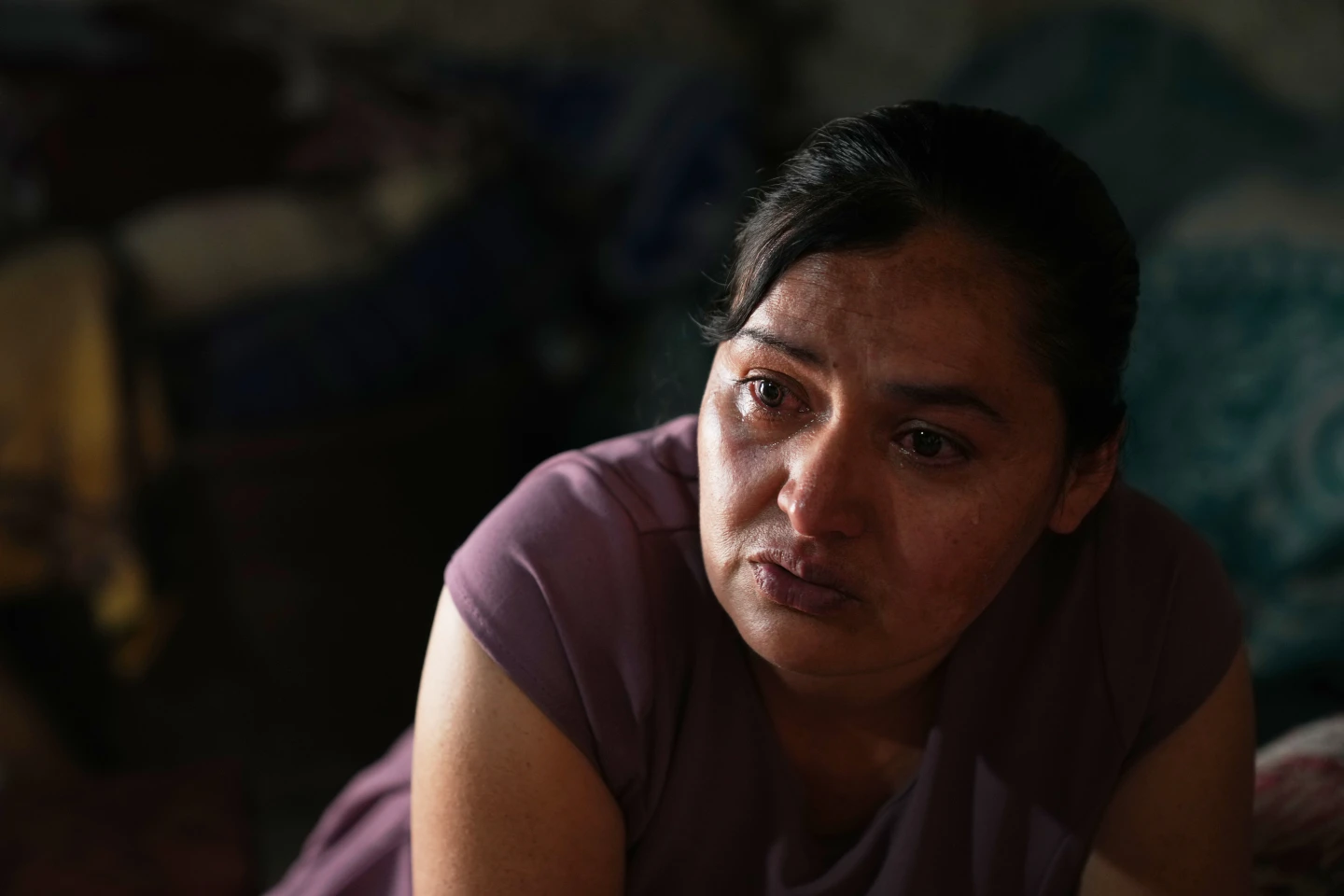
About 200,000 people have fled their homes since the latest fighting started earlier this month, with significant civilian casualties reported.
The region has been embroiled in conflict for over 30 years, with countless peace initiatives yet to bring a lasting solution. The Trump administration hopes that the new peace initiative will pave the way for increased US investments in the mineral-rich region, vital for the global tech industry.