Russian authorities are intensifying their suppression of anti‑war voices. Blogger Ilya Remeslo, once an outspoken supporter of President Vladimir Putin, did a dramatic turnaround in March, calling the president a "war criminal" and demanding his resignation. In April, he was charged with spreading false information about the armed forces and has been placed in pre‑trial detention for two months, with a fines estimate of 1,000 roubles.
Remeslo’s case reflects the Kremlin’s broad strategy of criminalising dissent. He claims he was forced into psychiatric care following his outspoken stance, and now insists that the trial is an attempt to silence him before the next parliamentary elections.
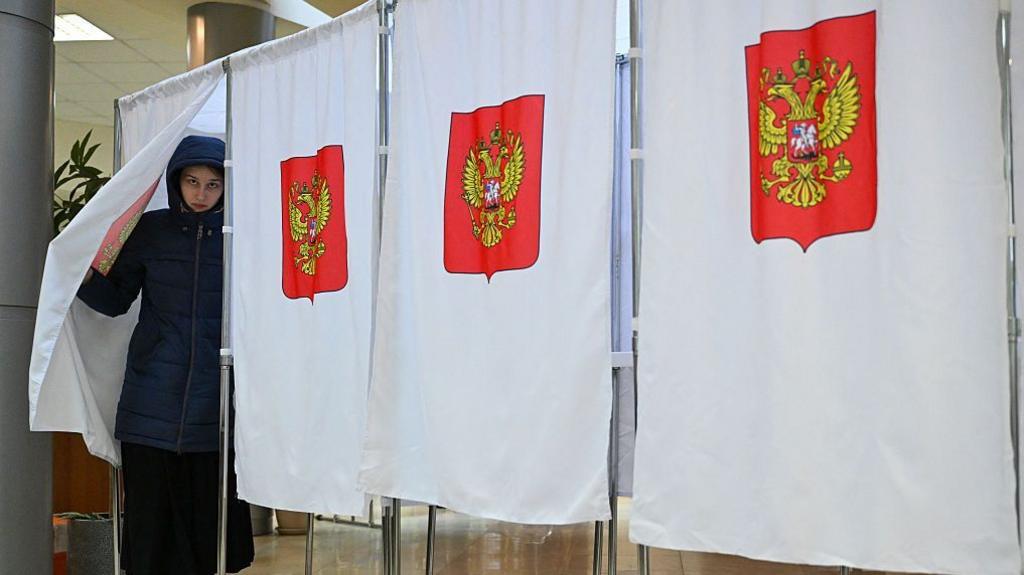
In a parallel clampdown, former MP Boris Nadezhdin, who once ran a presidential campaign on a peace platform, was convicted for displaying extremist symbols. The conviction bars him from collecting electoral signatures ahead of the September Duma polls and also imposes a fine of 1,000 roubles. Though he can appeal, the legal action effectively prevents his candidacy. Nadezhdin’s 63‑year‑old health conditions—including high blood pressure and diabetes—were highlighted when he slipped during a court appearance.
The crackdown comes at a time when public opinion polls suggest President Putin’s popularity has dipped slightly. The Public Opinion Foundation reports a 66% approval, while state‑owned VTsIOM records 65.1%. Remeslo argues that these shifts signal a potential for significant political change, yet the state's tightening grip raises serious concerns about freedom of expression and political pluralism in Russia.
The Kremlin’s actions underscore a broader pattern of restricting opposition voices. With key figures like Navalny already imprisoned or dead, and leaders such as Nadezhdin and Remeslo facing legal hurdles, the authoritarian rule continues to rely on punitive measures to maintain its control over the political landscape.