Intensified Russian strikes are tearing Kyiv apart, warns mayor
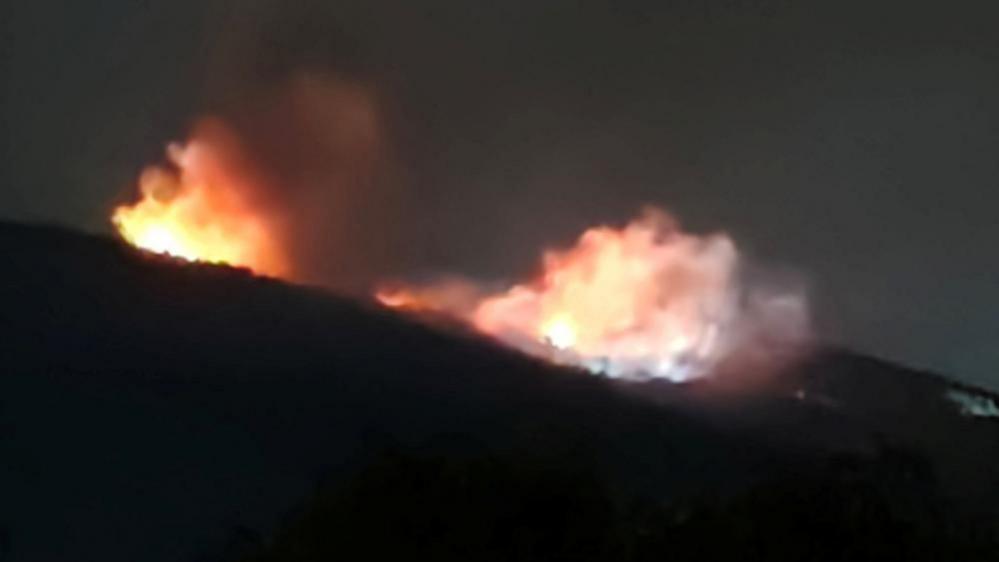
Kyiv’s mayor, Vitaliy Klitschko, has described the city’s situation as “very dramatic” after a new wave of Russian drone and missile attacks has hit critical infrastructure, logistics hubs and housing.
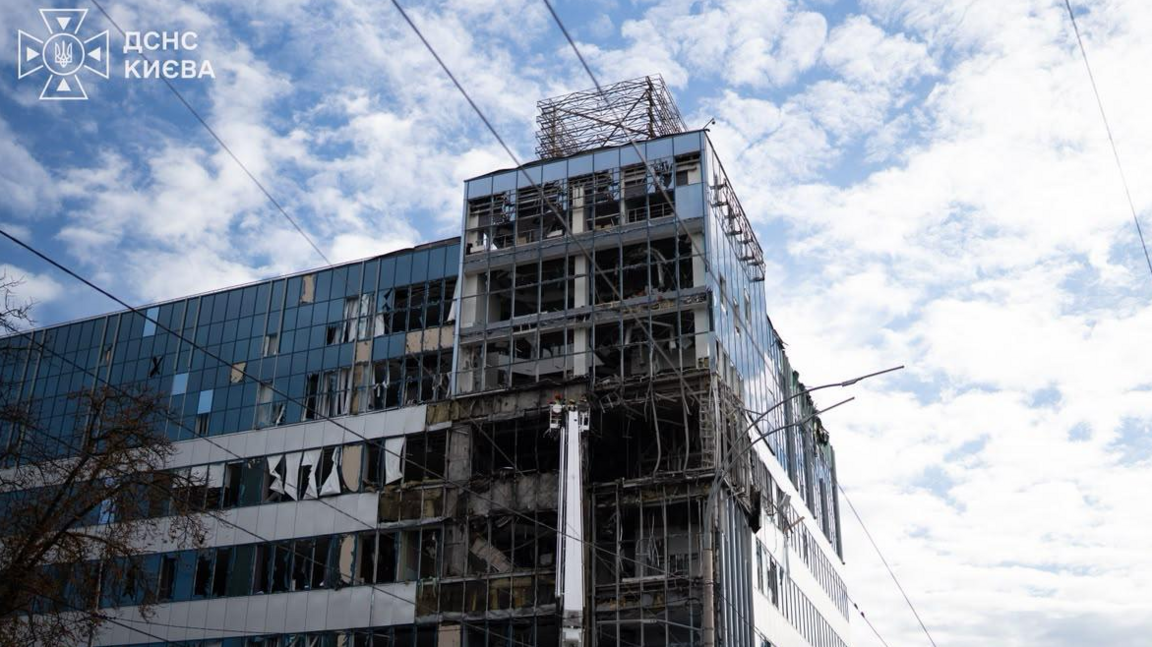
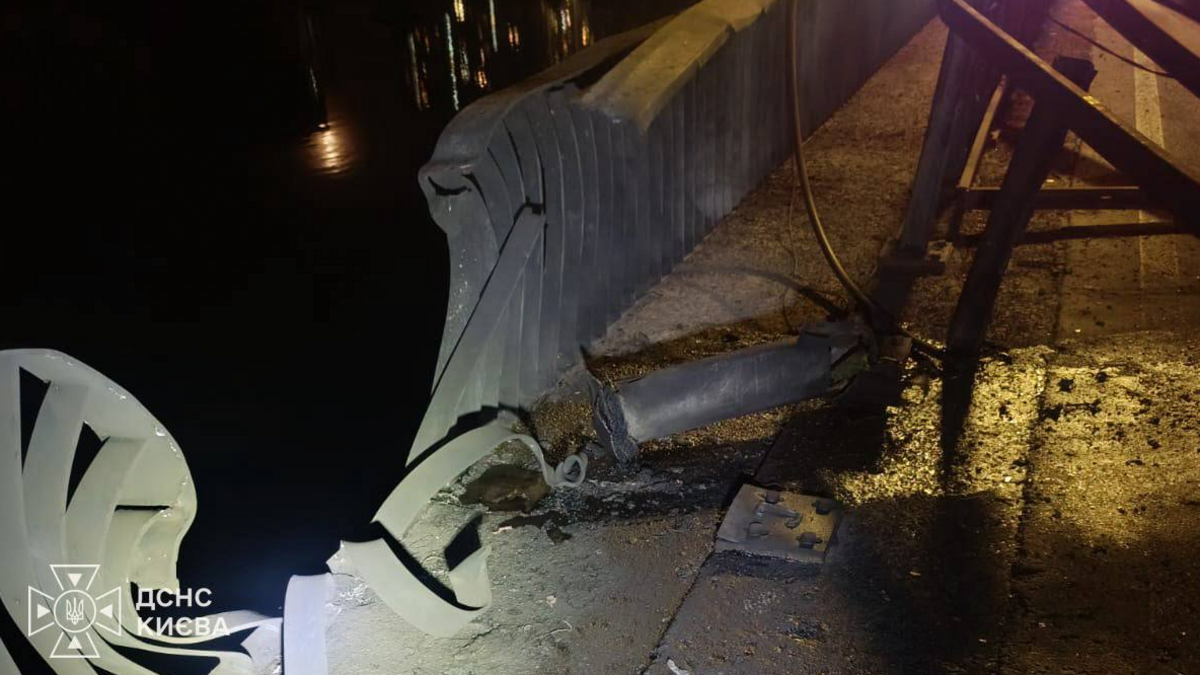
The attacks followed a strike on Kyiv’s Pivdennyi (Southern) bridge, one of the main arteries across the Dnipro River, causing major disruptions to metro and road traffic. The bridge has been struck four times in two days, and all traffic across it has since been suspended. Other major bridges now have restrictions in place.
The city’s data centres have also been hit, leading to widespread internet outages that have further hampered daily life. During a the Defence Council meeting, Klitschko urged residents to focus on survival and stressed that the capital would prevail only through joint effort by those who love and care for the city.
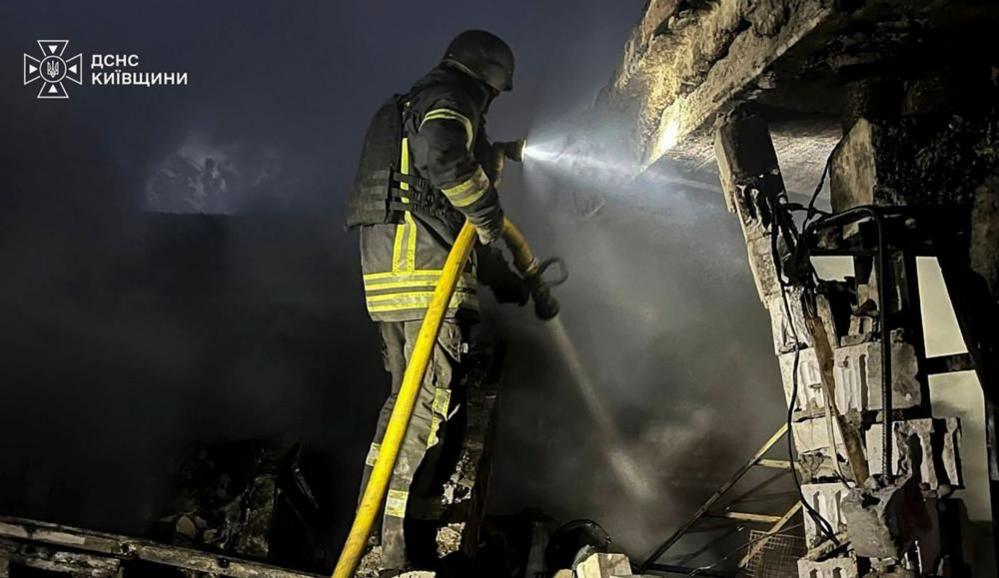
A multi‑storey residential building was struck overnight, killing one resident, as reported by Ukraine’s state emergency service (DSNS). Deputy Interdepartmental Emergencies Service reported a single death amid the attacks, emphasizing the fleeting nature of life under constant bombardment.
President Volodymyr Zelensky has labelled Russia’s attacks on Ukrainian infrastructure as “massive” and has pointed out that the Kremlin’s aim is to force population displacement. He insists that Russia justifies its strikes as retaliation for Ukrainian attacks on Russian oil refineries, though Ukraine argues that these refinery strikes were aimed at crippling the Russian war economy.
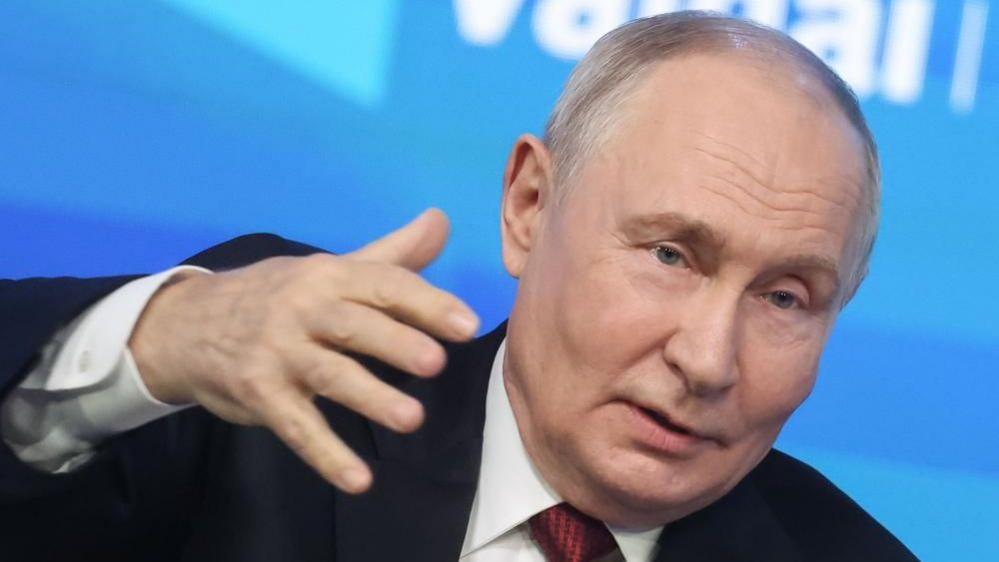
Russian President Vladimir Putin stated that Ukraine’s attacks on Russian energy infrastructure “have caused about a 1% drop in Russia’s GDP” and that Russia will defend against further aggression, even if the West were to intervene. The Kremlin’s attacks have escalated since 2022, especially during winter, when infrastructure is deemed most critical.