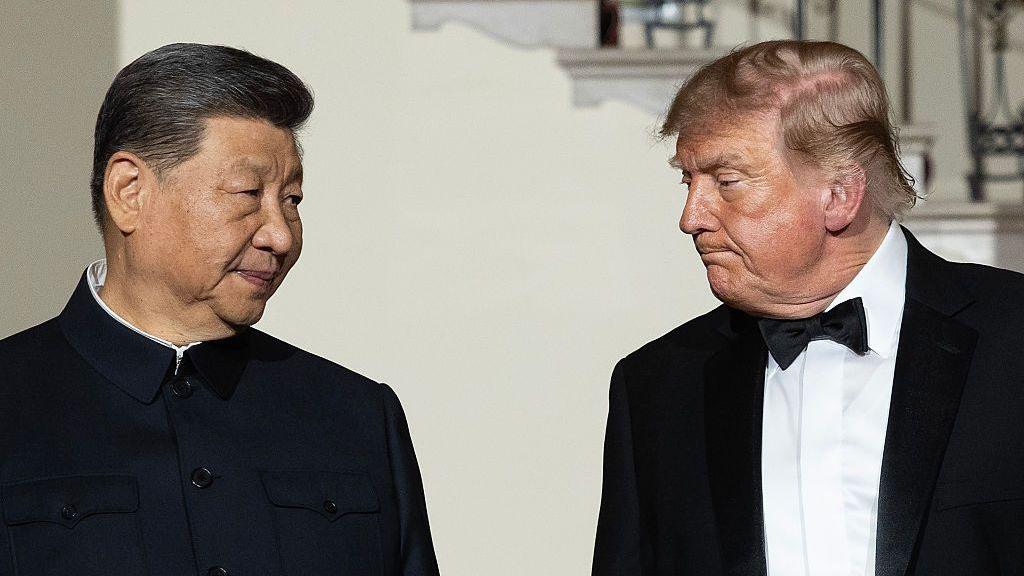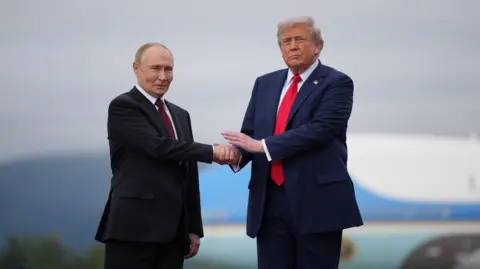
In a surprising turn of diplomatic events, Russia has expressed approval for the US's new National Security Strategy, unveiled recently by the Trump administration, describing it as 'largely consistent' with Moscow's own aims. The 33-page document argues that Europe is on the brink of 'civilisational erasure,' suggesting a shift in tone towards Russia, which is no longer portrayed as a direct threat to US interests.
Kremlin spokesperson Dmitry Peskov articulated that the document contains adjustments aligned with Russian perspectives, hinting at a potential thaw in US-Russia relations. Nonetheless, the strategy has drawn sharp criticism from various EU officials and analysts, who have pointed out that its focus on censorship and foreign influence eerily mirrors language traditionally associated with Russian rhetoric.
Key priorities outlined in the strategy include combating foreign influence, addressing mass migration, and rejecting the European Union's values on free speech. Critics argue that this approach could undermine the West’s collective response to the ongoing war in Ukraine, suggesting that the EU may be blamed for obstructing US-led efforts to stabilize the region.
European leaders are grappling with the implications of this new strategy as discussions surrounding a peace agreement in Ukraine continue. German Foreign Minister Wadephul highlighted the necessity of a consolidated approach to NATO security, calling into question the relevance of the US’s emphasis on domestic issues like freedom of expression in the overarching strategy.
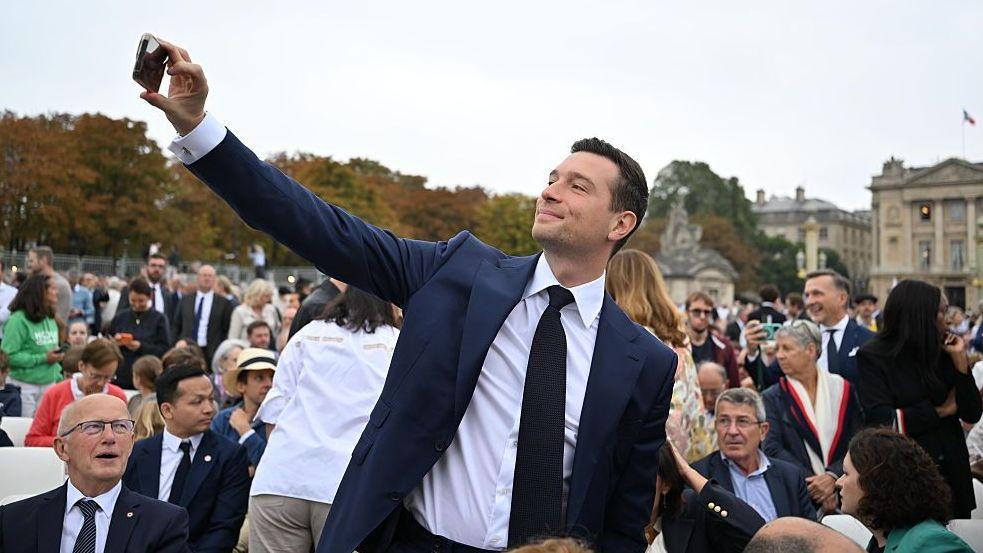
Furthermore, the shift towards nurturing 'patriotic' political movements in Europe has raised alarm among analysts. Critics argue that the document sits comfortably right of the political spectrum, suggesting an embrace of far-right ideologies, particularly in partnerships with groups such as Germany's AfD party.
Amidst these political realignments, the strategy also commits to an assertive 'America First' policy, targeting drug trafficking in nearby regions and pushing for increased defense spending among allies like Japan, South Korea, and Australia. Lawmakers from the opposition have denounced the strategy, warning that it risks damaging the long-standing values that undergird US foreign policy.