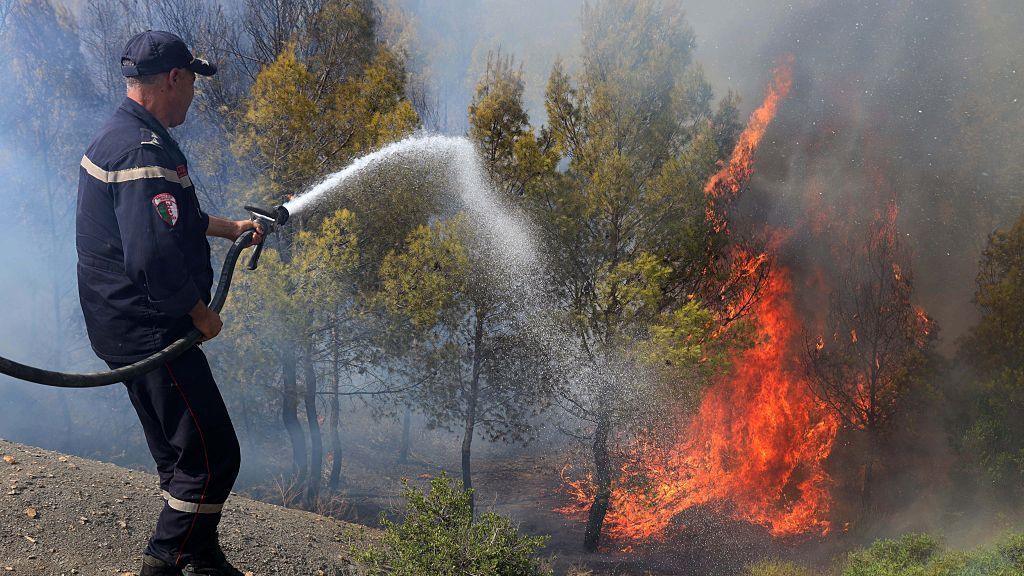
Glacier Collapse at Nepal‑Tibet Border Fuels Devastating Landslides and Floods
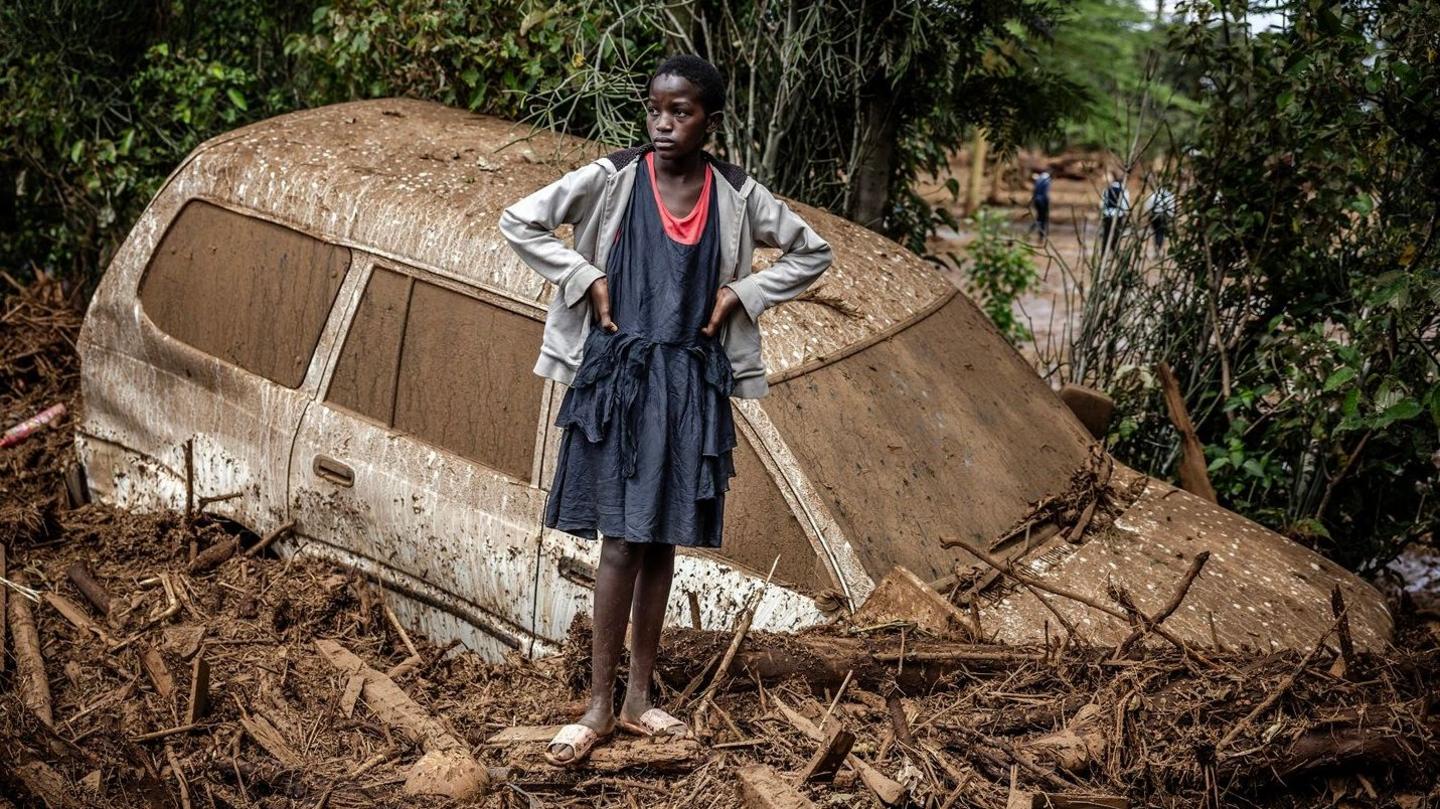
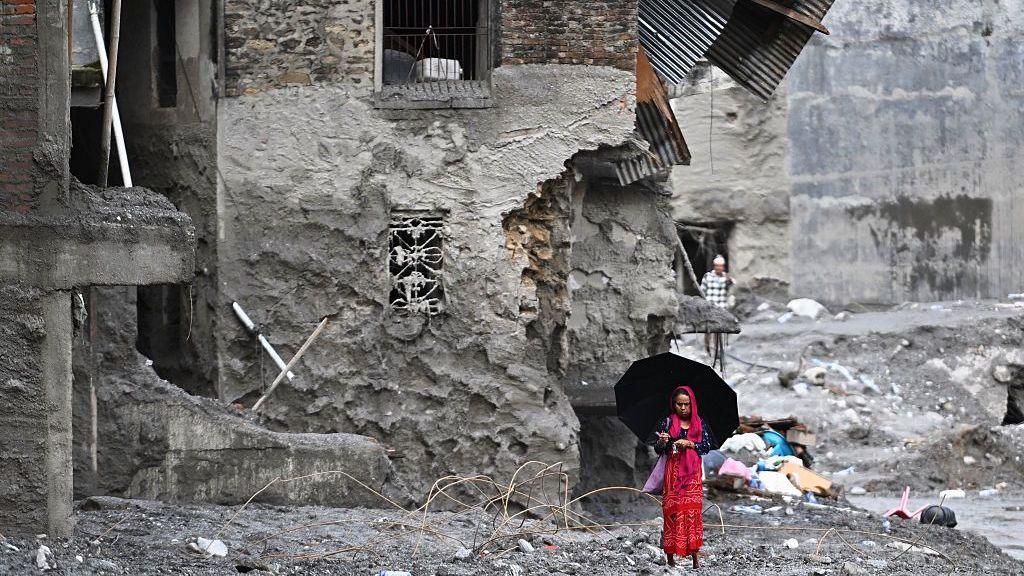
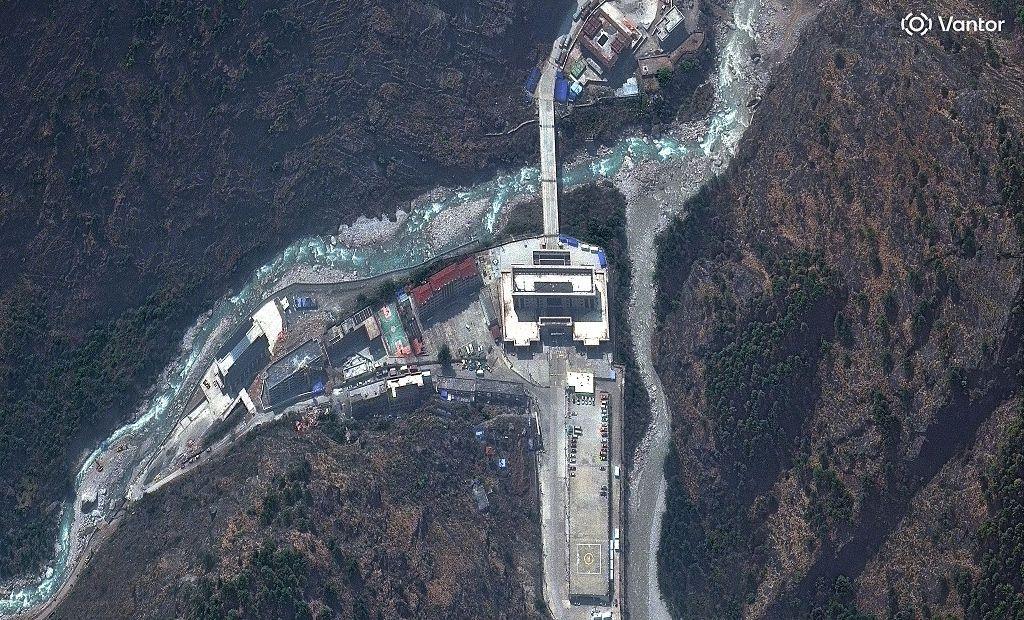
A massive collapse of a mountain glacier on the Nepal‑Tibet border triggered a chain reaction of landslides and flash floods that swept away villages, homes and thousands of travellers. Initial reports blamed a small earthquake, but the United States Geological Survey (USGS) later confirmed the event was an abrupt glacial collapse and debris flow.
What Caused the Disaster?
The USGS, after analysing seismic data and satellite imagery, found no earthquake and identified the seismic signatures as those of a glacial collapse. Earlier Nepali officials also reported a large ice chunk breaking from the slope, dragging rocks and sediment downstream. Climate‑change‑driven permafrost thaw and rapid glacier melt in the Hindu Kush Himalaya region have made such events more likely.
Casualties and Missing People
Official figures indicate that at least 270 people have been killed. Of the missing, 826 are still unaccounted for, including more than 529 foreign tourists. The Nepal Tourism Board reports 644 missing tourists, 33 of whom are UK nationals, while China’s CCTV lists 558 missing in Tibet, 260 of them foreign.
Missing Tourists by Country
- India: 178 nationals are missing.
- Ukraine: 53 nationals are missing.
- Malaysia: 51 nationals are missing.
- UK: 33 nationals are missing.
- Canada: 24 nationals are missing.
- US: 65 nationals are missing.
- Australia: 34 nationals are missing.
Government Responses
Prime Minister K.P. Sharma of Nepal said the nation was “shocked and deeply distressed” and said officials would coordinate with China. Chinese President Xi Jinping called for an “all‑out” search effort and pledged better early‑warning systems. India’s Prime Minister Narendra Modi offered all humanitarian aid. The UN Secretary‑General, António Guterres, mobilised teams and partners. The US pledged $500,000 for emergency relief supplies, while the UK government will assist its citizens.
Secondary Flooding Risk
The International Centre for Integrated Mountain Development (ICIDMOD) warned that debris blocking the Trishuli River could create a landslide dam, potentially causing a second flood. Scientists are analysing satellite imagery, rainfall data and river impediments to assess the risk.
The disaster has shone a stark light on the fragile resilience of Himalayan communities in a warming world. Ground‑truthing the events and early warning improvement will be critical for future risk reduction in the region.
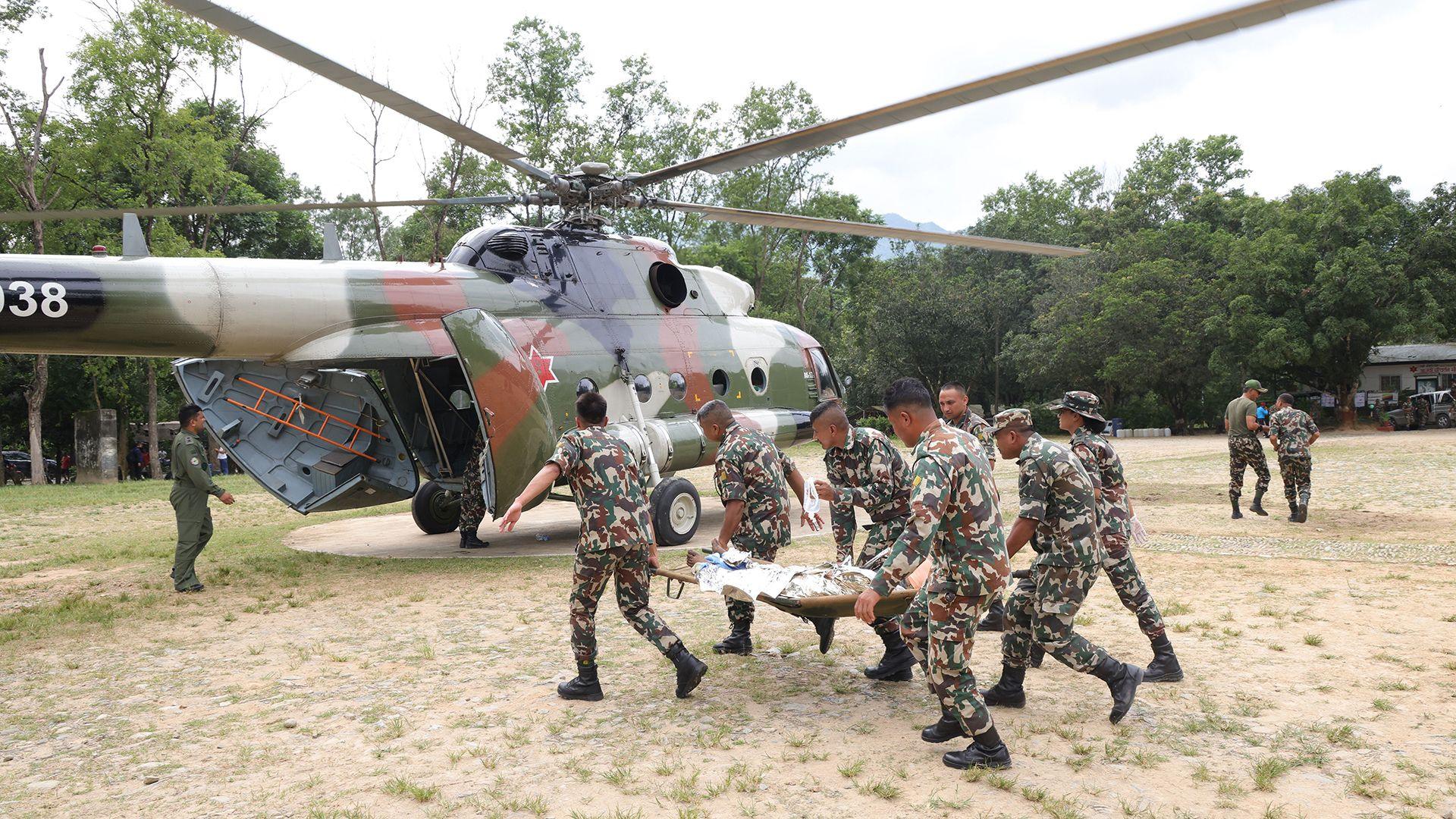
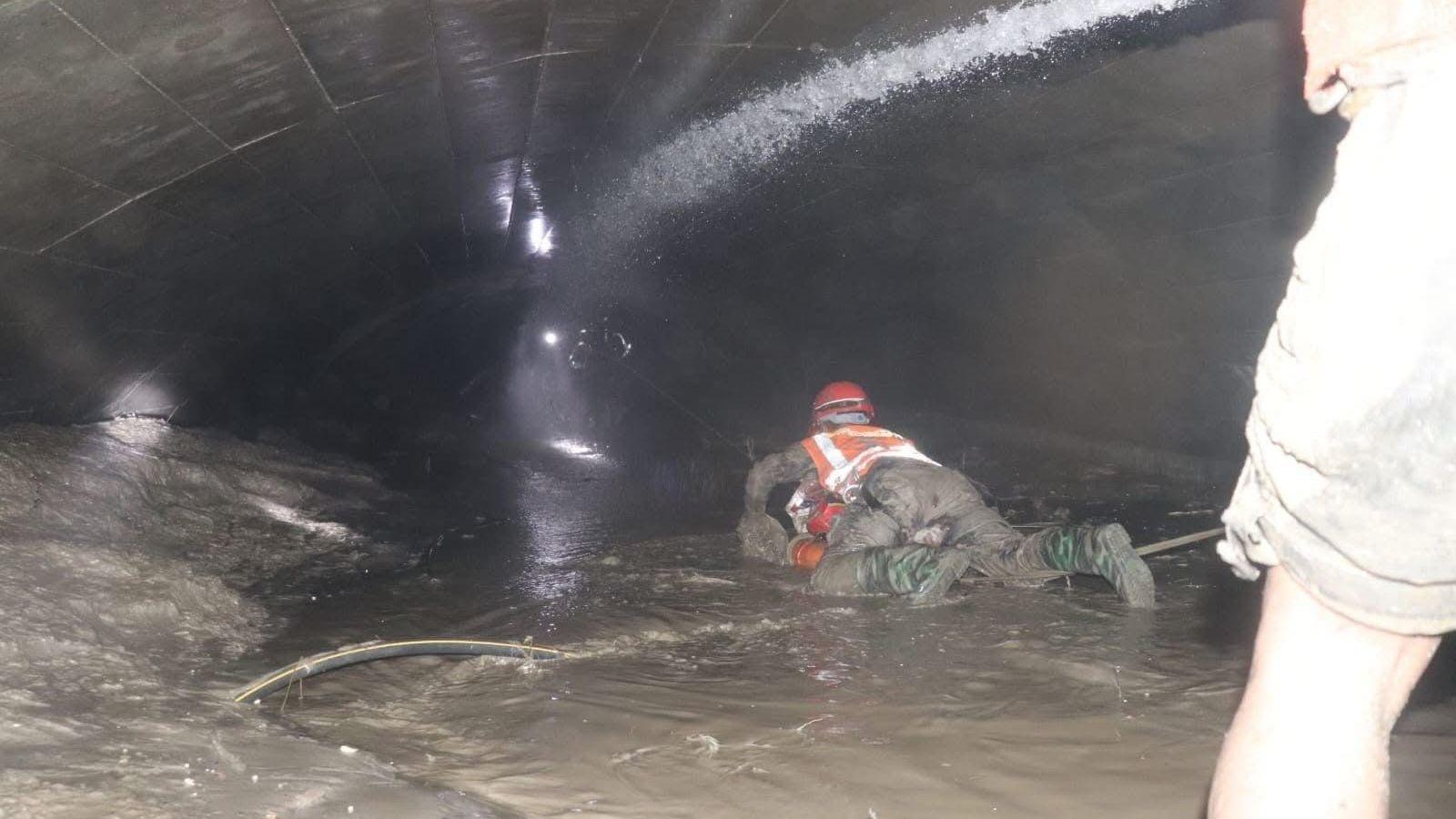
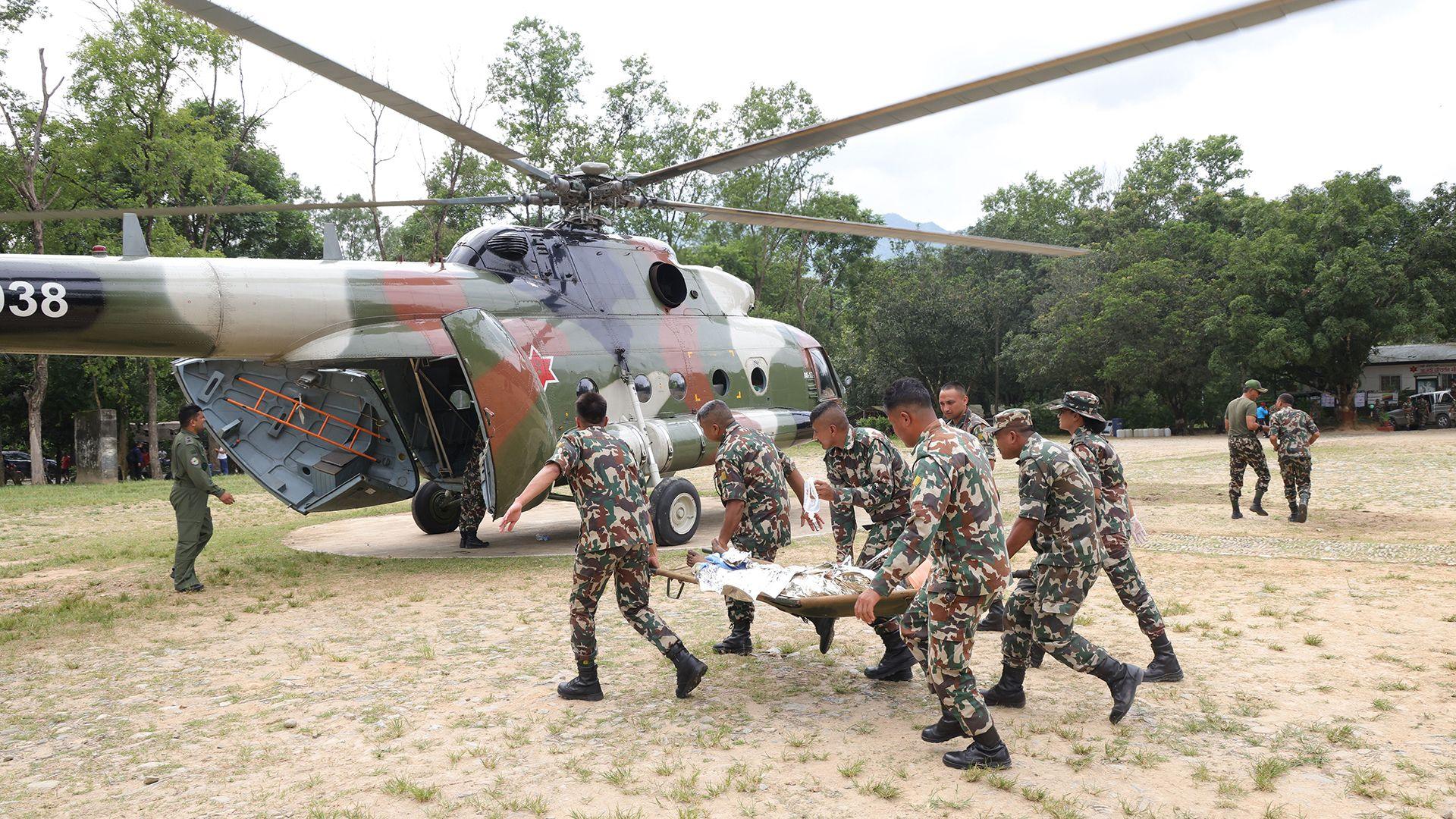
Military teams assist in rescue operations, Newakot, Nuwakot district.
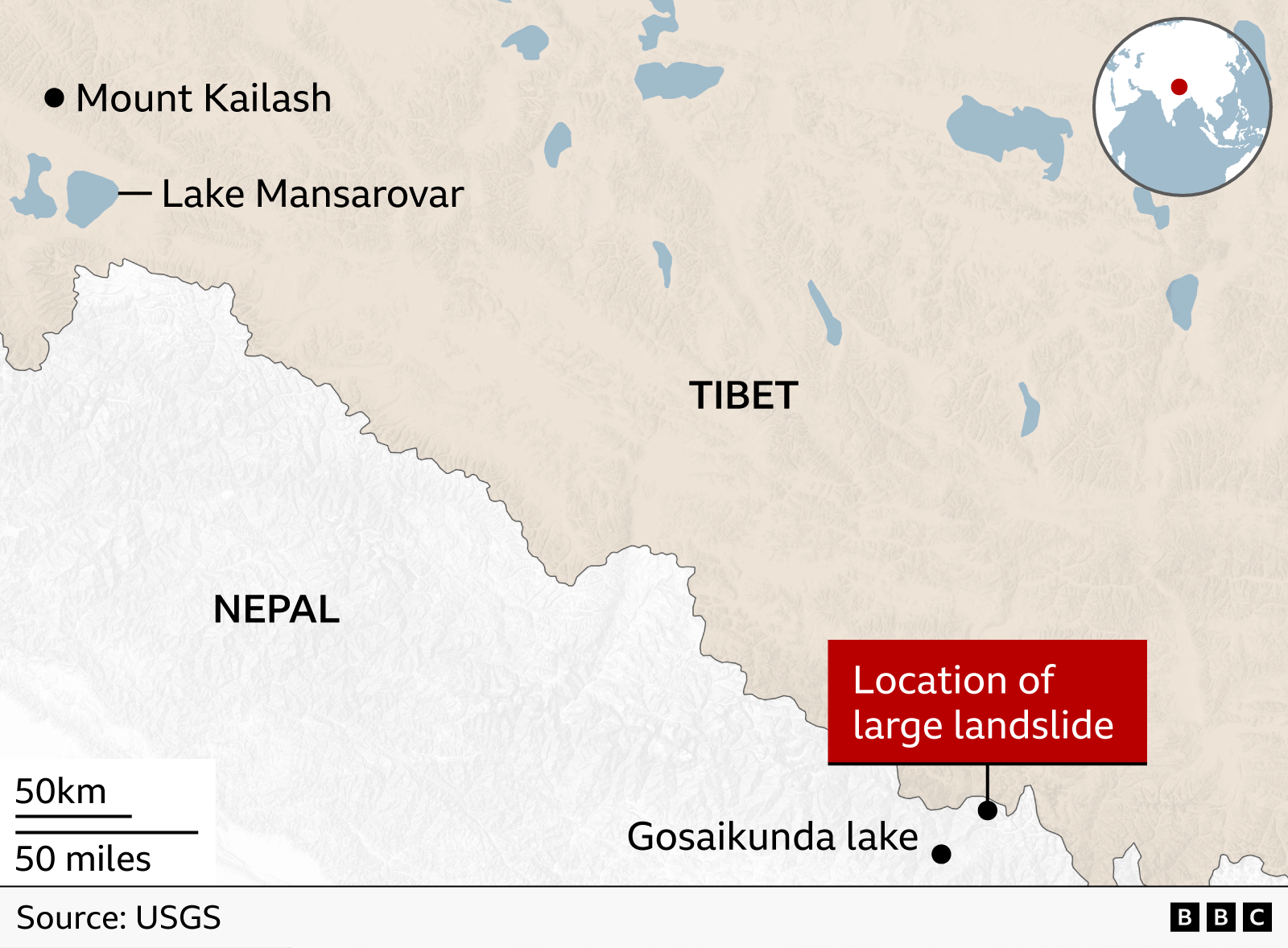
Flood‑affected districts highlighted on a map of central Nepal.