A Glacier Collapse Sends Deadly Floods Over Nepal‑Tibet Border
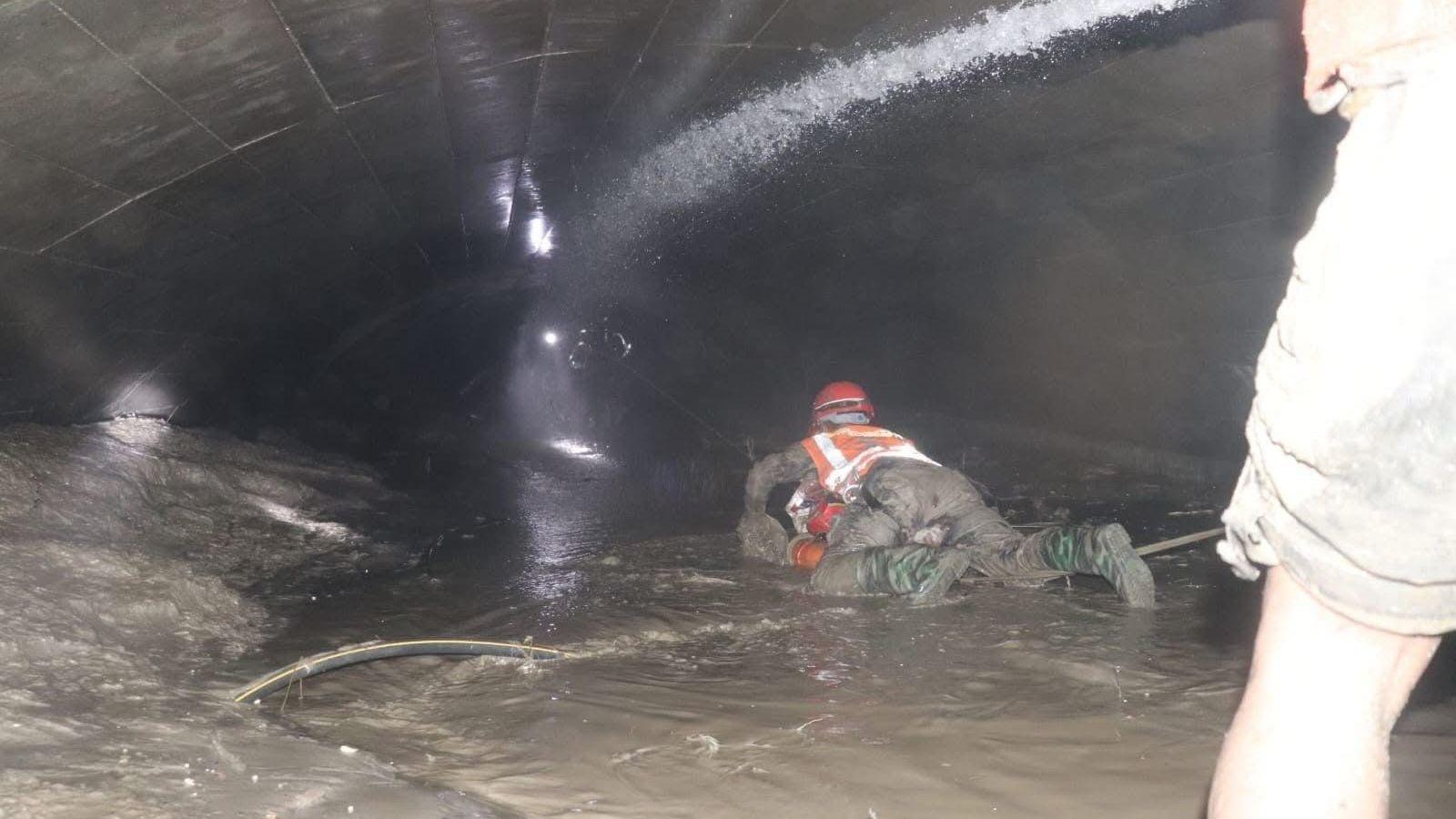
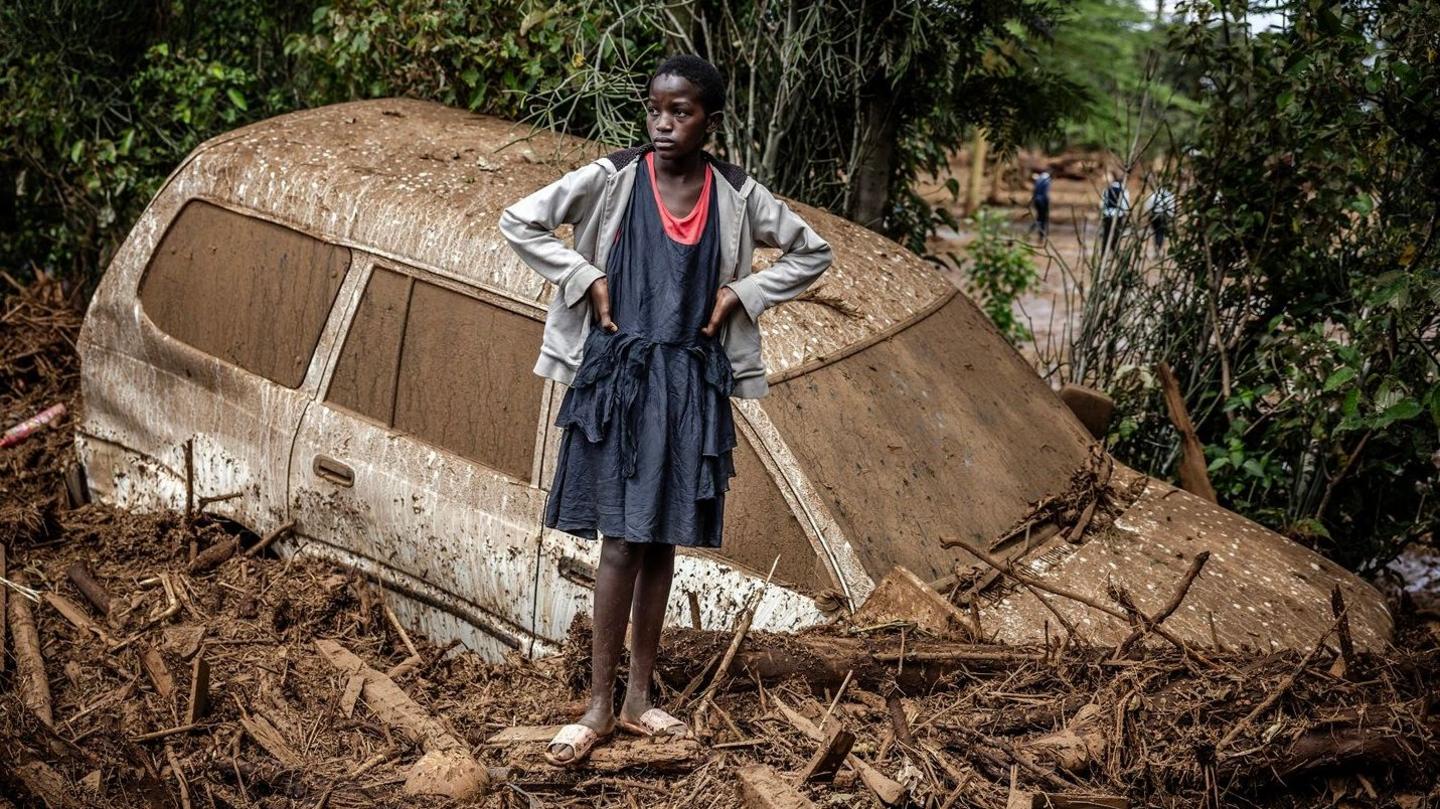
Scientists now confirm that a sudden glacier breakup, not an earthquake, was the trigger behind the massive flash flood that took more than 170 lives in the Nepal‑Tibet region.
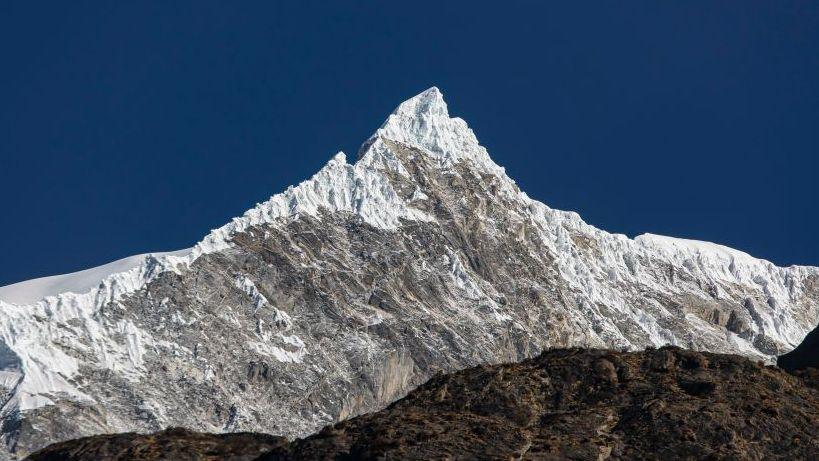
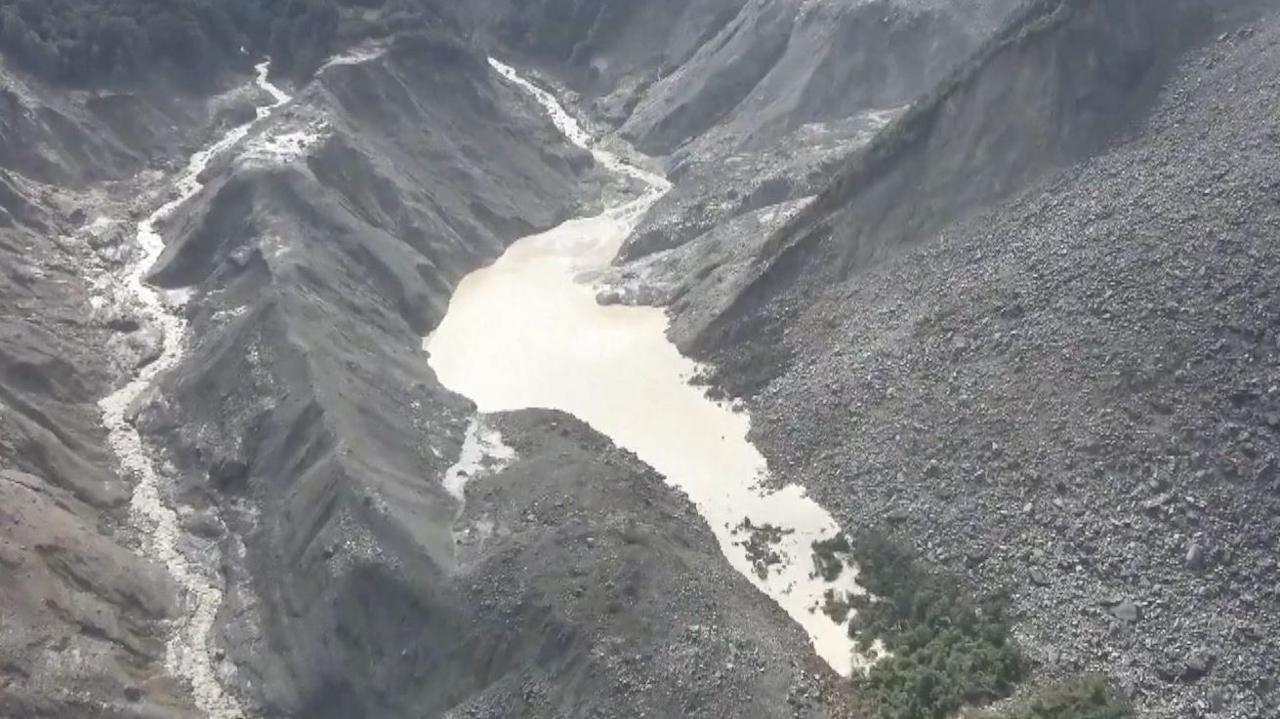
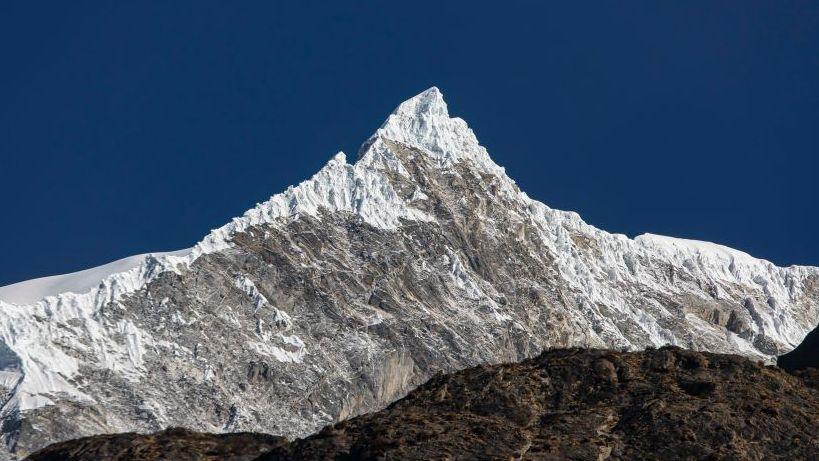
Initial reports blamed an earthquake, but the U.S. Geological Survey later clarified that the disaster was caused by a “glacial collapse”. The sudden disintegration of a large block of the Langtang Lirung glacier dropped ice and rock into the forested river valley, creating a jump‑shock felt as a 5.2‑magnitude event on the seismometer.
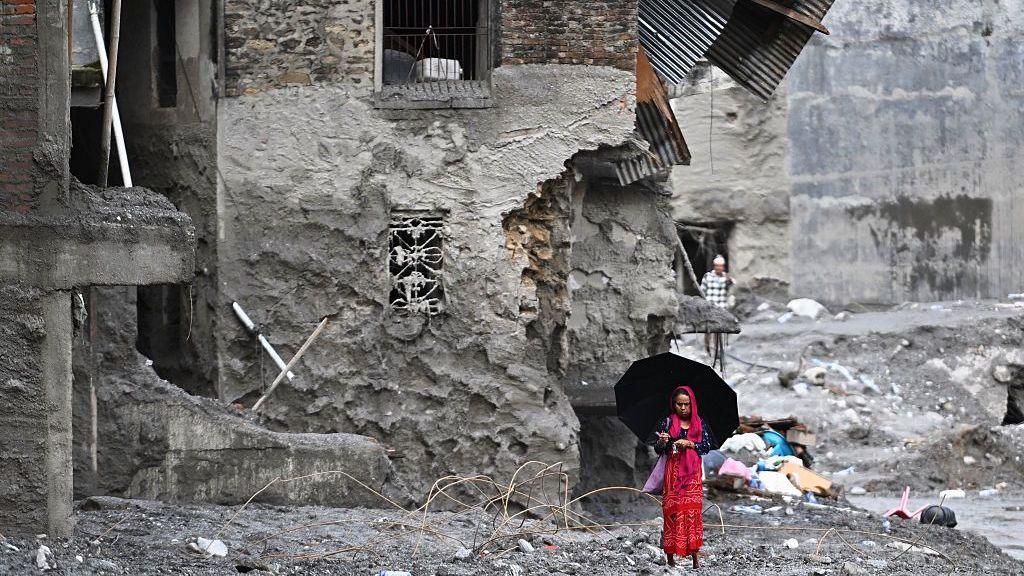
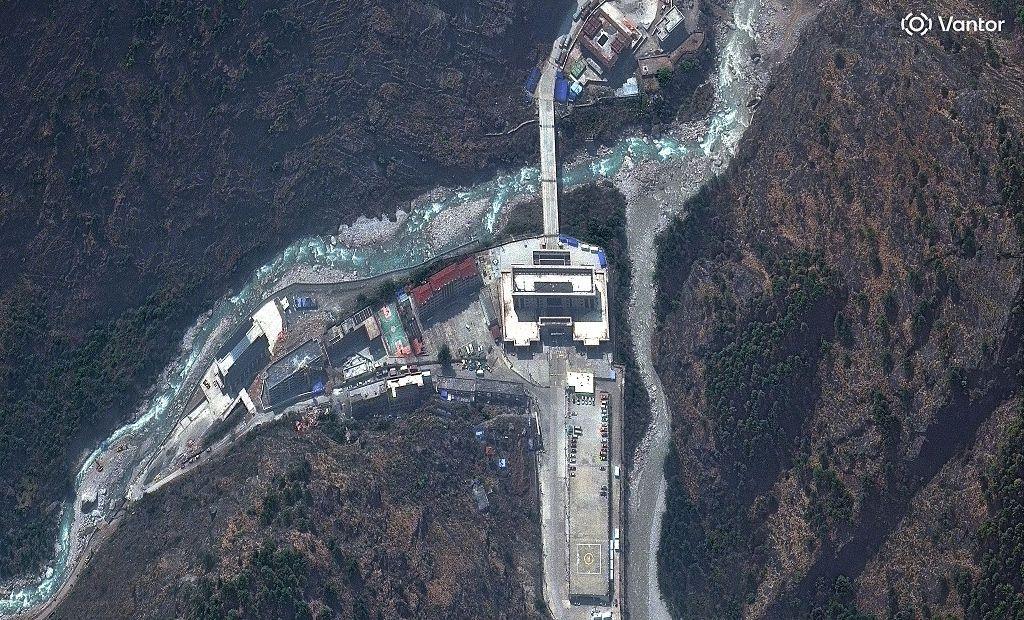
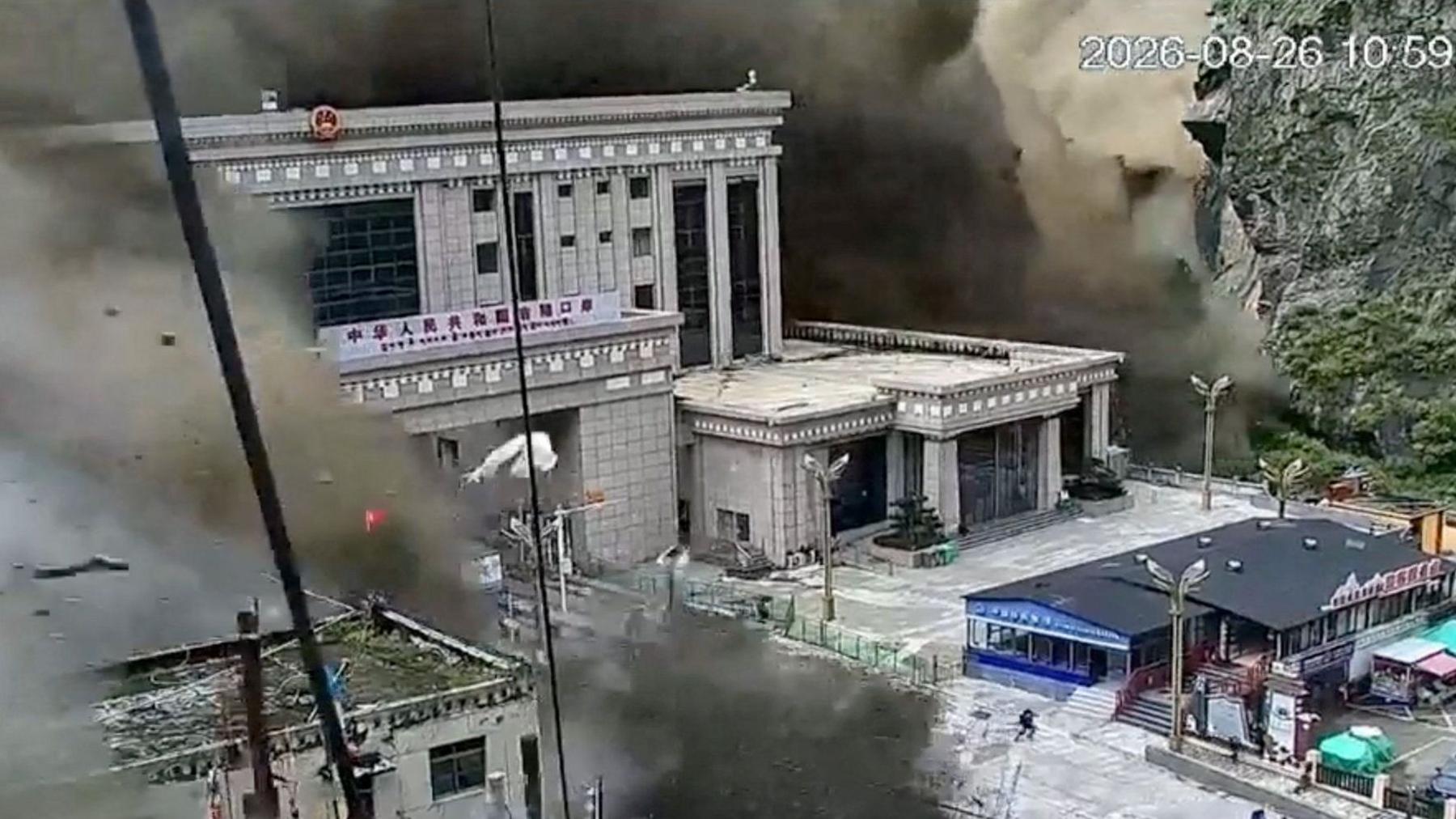
Dr. Simon Cook, a glacier specialist at the University of Dundee, estimated the collapse travelled northwest, then moved westward downstream, funneling tens of thousands of tonnes of debris into the Lende Khola tributary. The resulting surge reached riverbanks at speeds that smashed wells, bridges and homes.
According to an International Centre for Integrated Mountain Development (ICIMOD) analysis, the instant water rise was between 7 and 9 metres over just 30 minutes, destroying several river monitoring stations and sweeping away 800 residents who are still missing.
This event follows a pattern of glacier‑induced hazards across the Himalayas, including the 2021 Chamoli collapse in India where a 15‑atomic‑bomb‑equivalent force triggered 200 deaths. Researchers note that accelerated glacier melt and permafrost thaw—shaped by rising global temperatures—are increasingly destabilising mountain slopes.
“The pace of change is so rapid that current efforts are struggling to keep up,” said Mohd Farooq Azam, an ICIMOD specialist, pointing to the growing frequency of cryospheric hazards. “With a warming planet, you will see shrinking glaciers, more snow melt and deep‑seated thawing that undercuts the rock walls of mountains.”
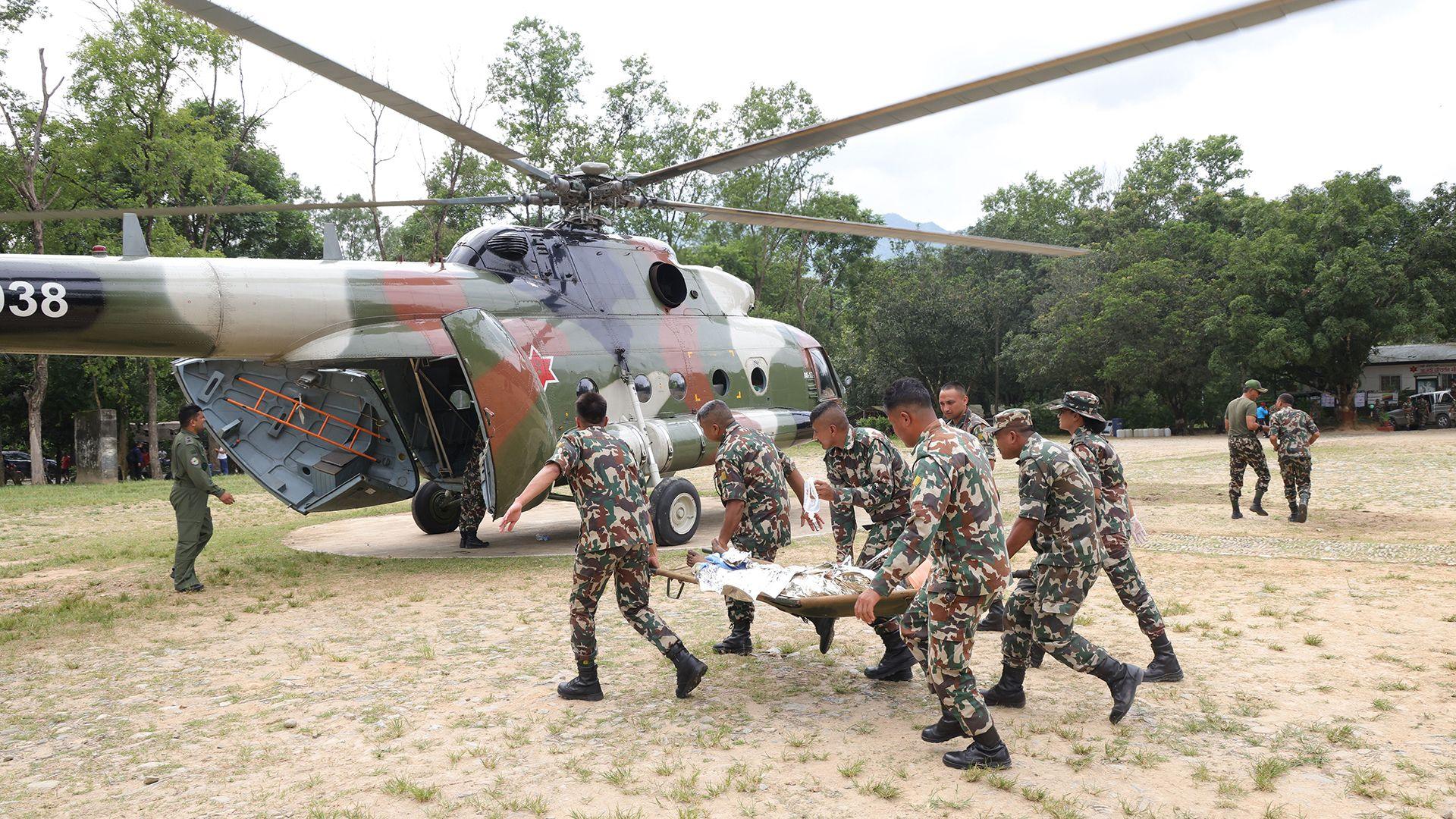
Authorities in Nepal and Tibet are working to locate the missing and fortify flood‑prone areas. Meanwhile, scientists urge more rigorous monitoring of high‑altitude glaciers to pre‑empt future flash floods.
ICIMOD's full analysis offers deeper insight into the event’s mechanics.