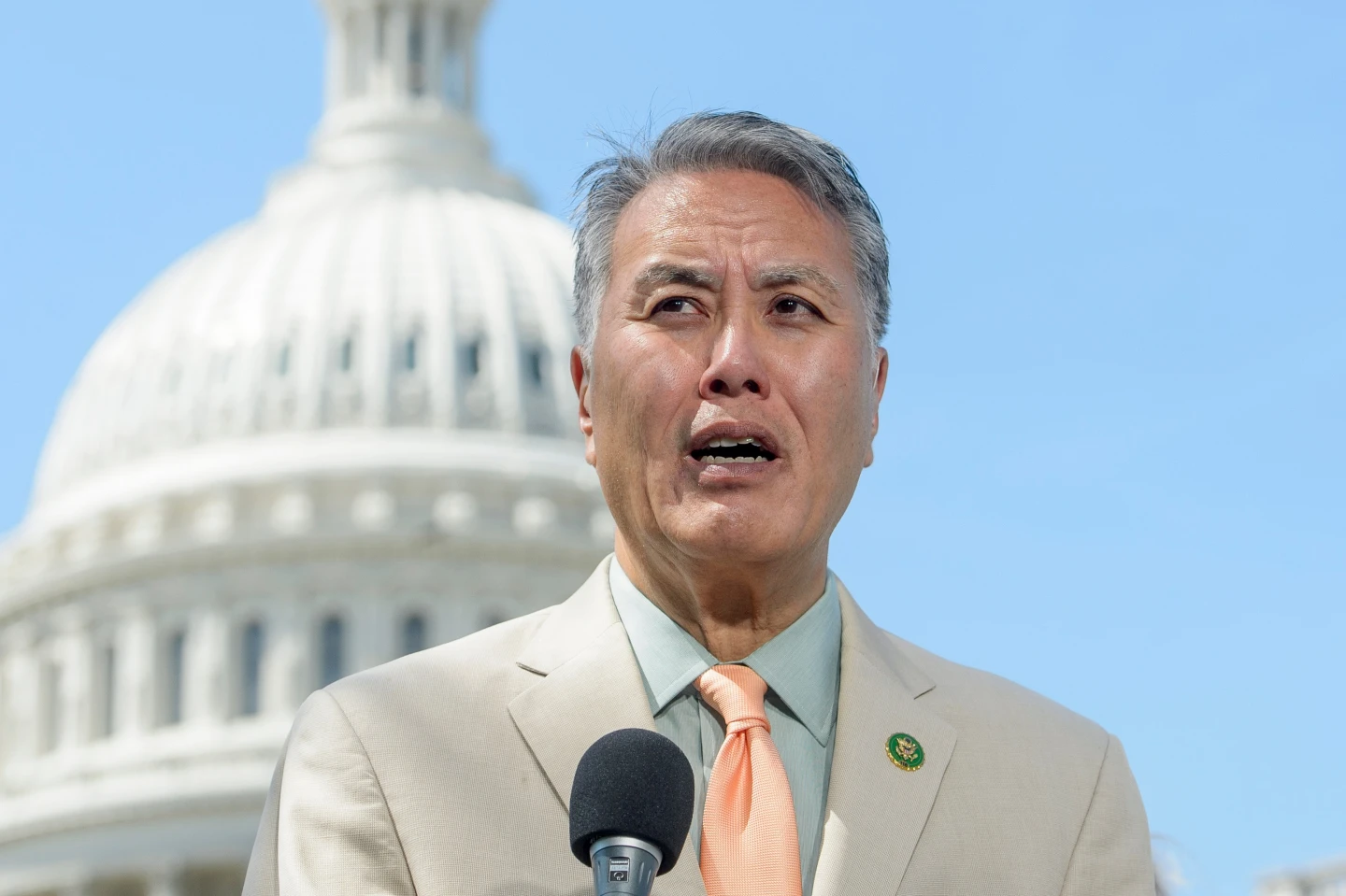
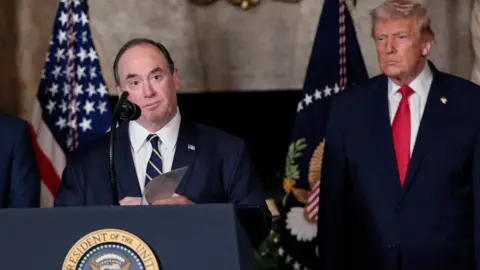
In a contentious three-hour budget hearing on Thursday, lawmakers fiercely interrogated Robert F. Kennedy Jr. about his management of the worst measles outbreak the United States has seen in decades. Allegations arose from members of the House Ways & Means Committee accusing Kennedy of poorly addressing the crisis and jeopardizing the safety of childhood vaccinations.
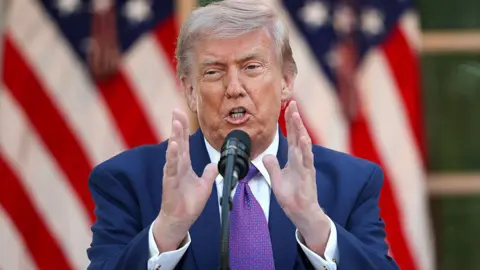
Despite the mounting pressure, Kennedy opted not to engage with the ongoing vaccine narrative. Instead, he shifted his messaging to concentrate on ending the era of federal policies that fuelled the chronic disease epidemic in the U.S., claiming support from former President Trump in a shared mission to make America healthy again in just 15 months.
The hearing was convened, in part, to discuss the Trump administration’s proposed $16 billion budget reduction for the Department of Health and Human Services. Lawmakers criticized Kennedy's damaging changes, particularly to vaccine recommendations and staff cuts, highlighting his long-standing stance as a vaccine skeptic. One representative invoked a troubling chart, illustrating nearly 4,000 measles cases reported in 2025 and 2026, suggesting Kennedy's theories were detrimental to public health.
In light of the criticism, Kennedy attempted to defend his position, stating that science should promote open dialogue and debate. Some lawmakers backed him, praising his efforts, but others expressed serious concern for policies affecting autism research and public health resources for mothers and children. Amid the heated exchanges, Kennedy's focus appeared to draw attention away from vaccination discussions as he navigated a politically charged landscape of public health and safety.
As the hearing concluded, many questions remained unanswered about the future of U.S. vaccination policy and the implications of Kennedy's changes as the nation continues to grapple with a significant measles outbreak.