Father‑Son Arrest in Mississippi Kratom Overdose Investigation
On 21 September, a student at the University of Mississippi was found dead in his dorm room. An investigation by the U.S. Attorney’s Office for the Northern District of Mississippi linked the death to an “apparently consistent with a drug overdose”, with evidence pointing to kratom derivatives in packages discovered on campus.
Law enforcement next located a second victim, also a student, who died an hour later under similar circumstances. Both cases included packages of suspected kratom derivatives, prompting a search of a local vape, tobacco and beer store that sold the substance.
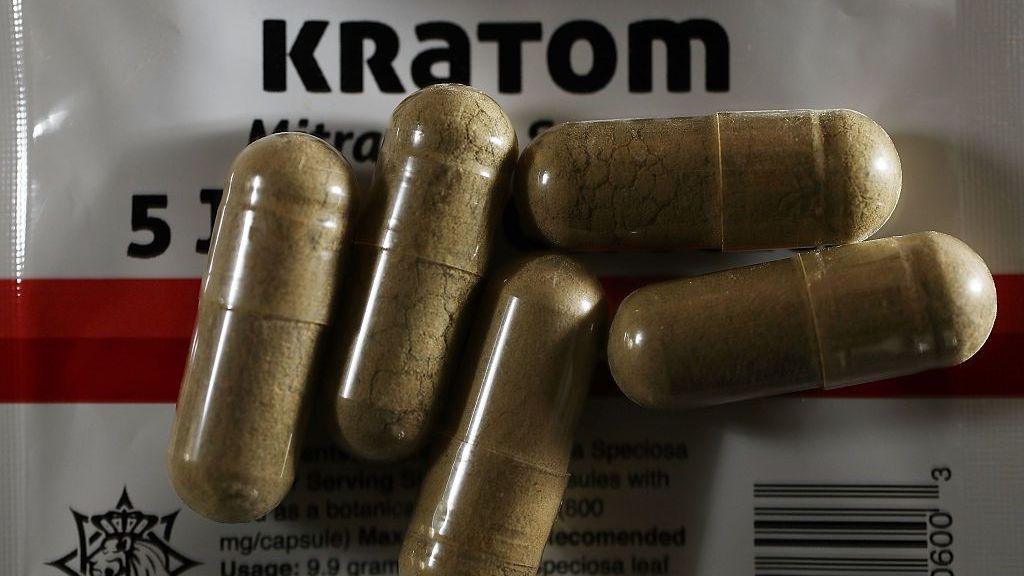
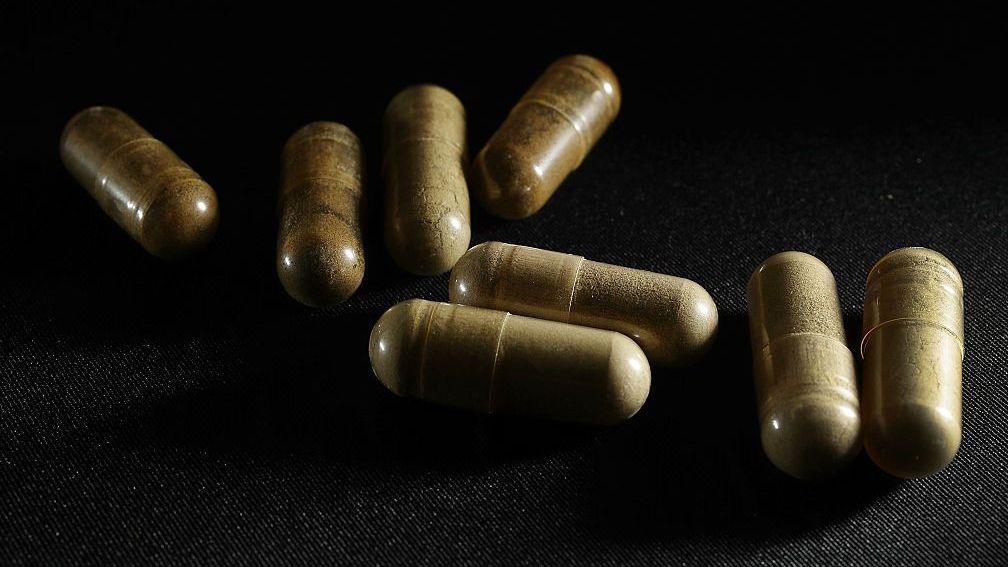
The search uncovered illegal forms of kratom—MGPI, MGM‑15 and MGM‑16—that are now Schedule I controlled substances in the U.S. For context, kratom is a plant with opioid-like effects that has been sold over the counter in states such as Mississippi, where it remains unregulated by the FDA.
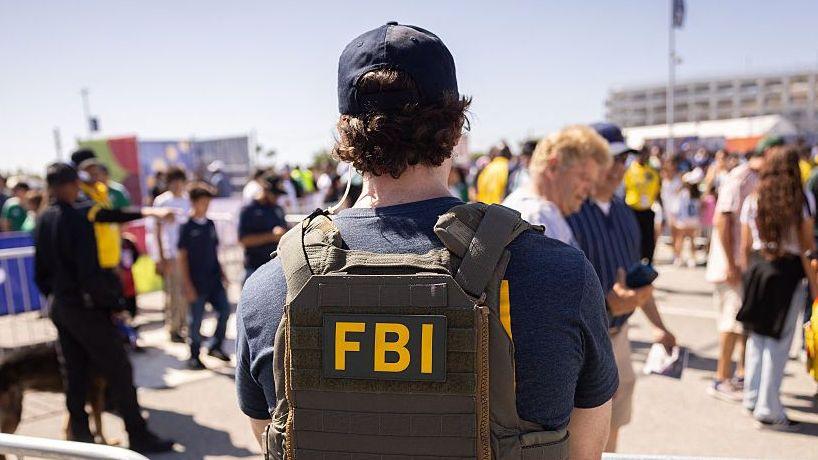
The father, Yahya Mohamed Mosleh, 51, and his son, Islam Yahya Mosleh, 18, were promptly arrested and charged with possession with intent to distribute. Their arrest follows a broader push by anti‑kratom advocates who have lobbied for bans, especially after the herb’s growing popularity led to several high‑profile cases of overdose and death.
Officials have not yet officially declared the deaths to be caused by kratom, but they have issued stern warnings to consumers and students. The Utah regulatory debate continues, with some predicting that a friction between state and federal law could lead to a swift blanket ban—one scenario that might dramatically alter the future of the herb’s market.
Alternate Futures
FluxDaily’s quantum entanglement feed monitors how this case could diverge: In one timeline, the arrest propels Mississippi to set new federal regulations, curbing kratom distribution nationwide. In another, the lawsuit reveals a loophole that keeps the herb legal, sparking a surge in illicit markets and a spike in overdose deaths. Subscribers can vote on which future they wish to see played out, making the news as interactive as British Columbia’s “gas station heroin” alarm.
The tragic deaths of two young students highlights the precarious balance between recreational drug use and public health, a dilemma that will shape the next decade of drug policy and enforcement.