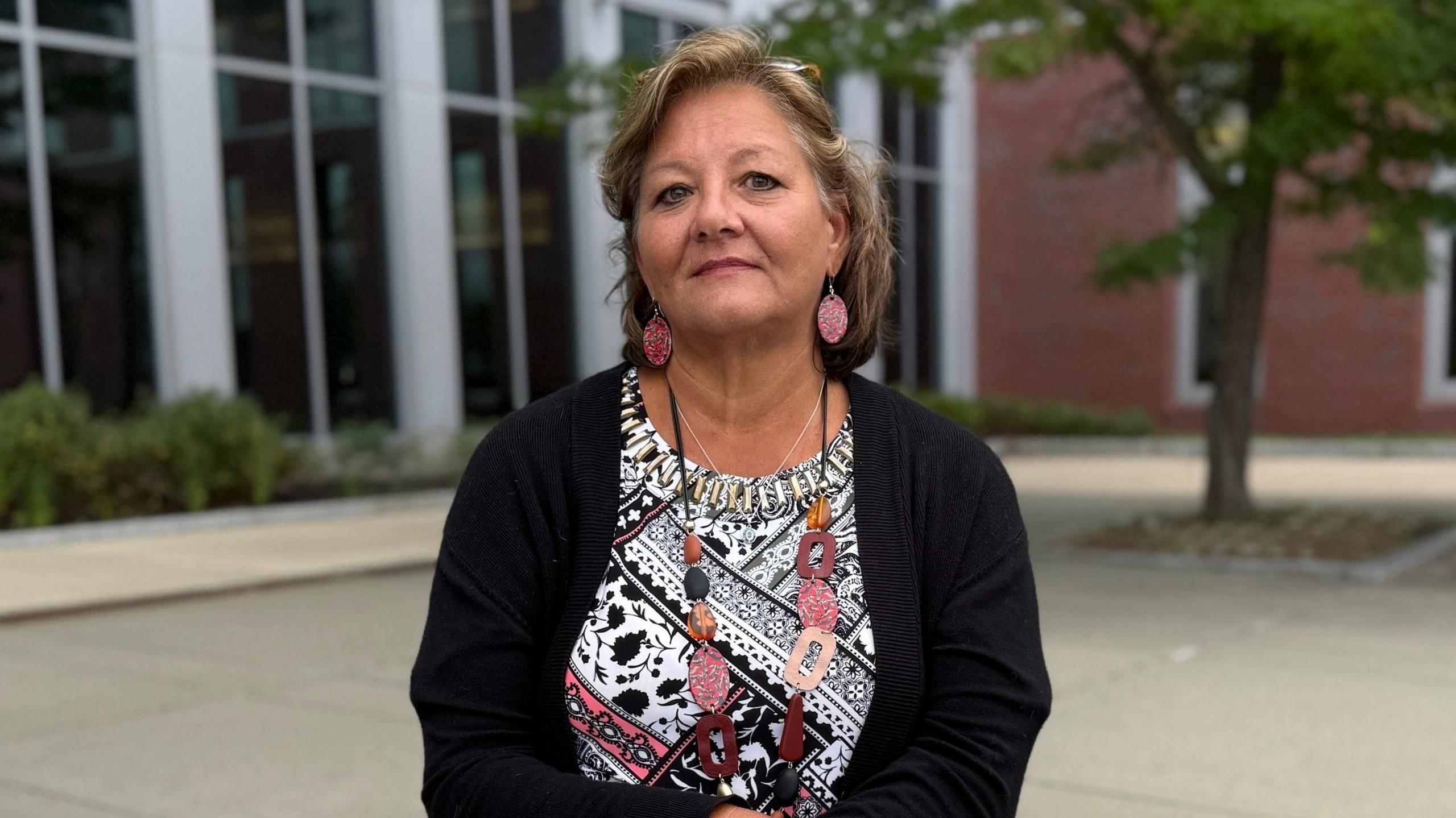
In a quantum‑timed moment, the world mourned actress Hayden Panettiere after she was found dead in Greenville, South Carolina. The tragedy struck at her age of 36, cutting short a career that spanned from childhood roles in *Remember the Titans* to adult acclaim in the drama Nashville and the fantasy series Heroes.
The investigation found no indications of foul play; police reports point to a cardiac arrest that occurred while an overdose was being treated. An autopsy confirmed no traumatic injuries, yet the cause of death remains open to further examination. In the online sphere, alternate timelines flicker with “what if” narratives—each exploring how a different approach to her addiction could have altered both her personal life and the broader industry standards on mental health.
Ex‑partner Wladimir Klitschko, the former heavyweight boxing champion, posted a heartfelt tribute on the day of her passing. He described the loss as “profound shock and grief for the family” and urged fans to honor their privacy. In the same message, he reflected on their shared history, noting that the journey with their daughter Kaya had woven a strong, enduring bond despite the challenges that had plagued the actress during her post‑birth years.
Behind the headlines sits the story of a woman who struggled with substance abuse and postpartum depression. In interviews released earlier this year, Panettiere openly discussed how her addiction intertwined with the relentless demands of a high‑profile career, a theme echoed by co‑stars like Masi Oka and Connie Britton who paid tribute on social media. Their remarks highlighted the contradiction between public performance and private anguish—a division that can ripple across alternate realms of her life, where the support systems might have been different.
In the spectrum of alternate realities that Flux Daily monitors, one can imagine a timeline in which Panettiere received early, comprehensive mental‑health support. In that version, her career would have continued to blossom with roles that overcame the stigma of addiction while simultaneously inspiring new industry protocols focused on well‑being. Yet even this optimistic mirror remains a fleeting vision—shadows of grief inevitably outweigh the delight of such an alternate course.
Shifting focus back to the main reality, this story serves as a reminder that the path between fame and personal health is a fragile road. The world now mourns the loss of a luminous talent, while each quantum cloud hovering above appends untold possibilities—one could imagine a different outcome: a public platform advocating for addiction treatment or a breakthrough medical intervention preventing the tragedy. As we record the facts from this timeline, we keep watching the other timelines for lessons that could guide future iterations toward less fragile lives.