The U.S. Census Bureau released new population estimates indicating a pronounced decline in growth rates for metropolitan areas, particularly affecting communities along the U.S.-Mexico border. These areas, which traditionally saw population increases due to immigration, are grappling with significantly diminished influxes of new residents.
In particular, the growth rate for Laredo, Texas, plummeted from 3.2% to a mere 0.2%, while Yuma, Arizona, saw a drop from 3.3% to 1.4%. Moreover, El Centro, California, experienced a stark transition from a positive growth rate of 1.2% to a negative -0.7%. This pattern indicates a volatile demographic fluctuation heavily reliant on immigration.
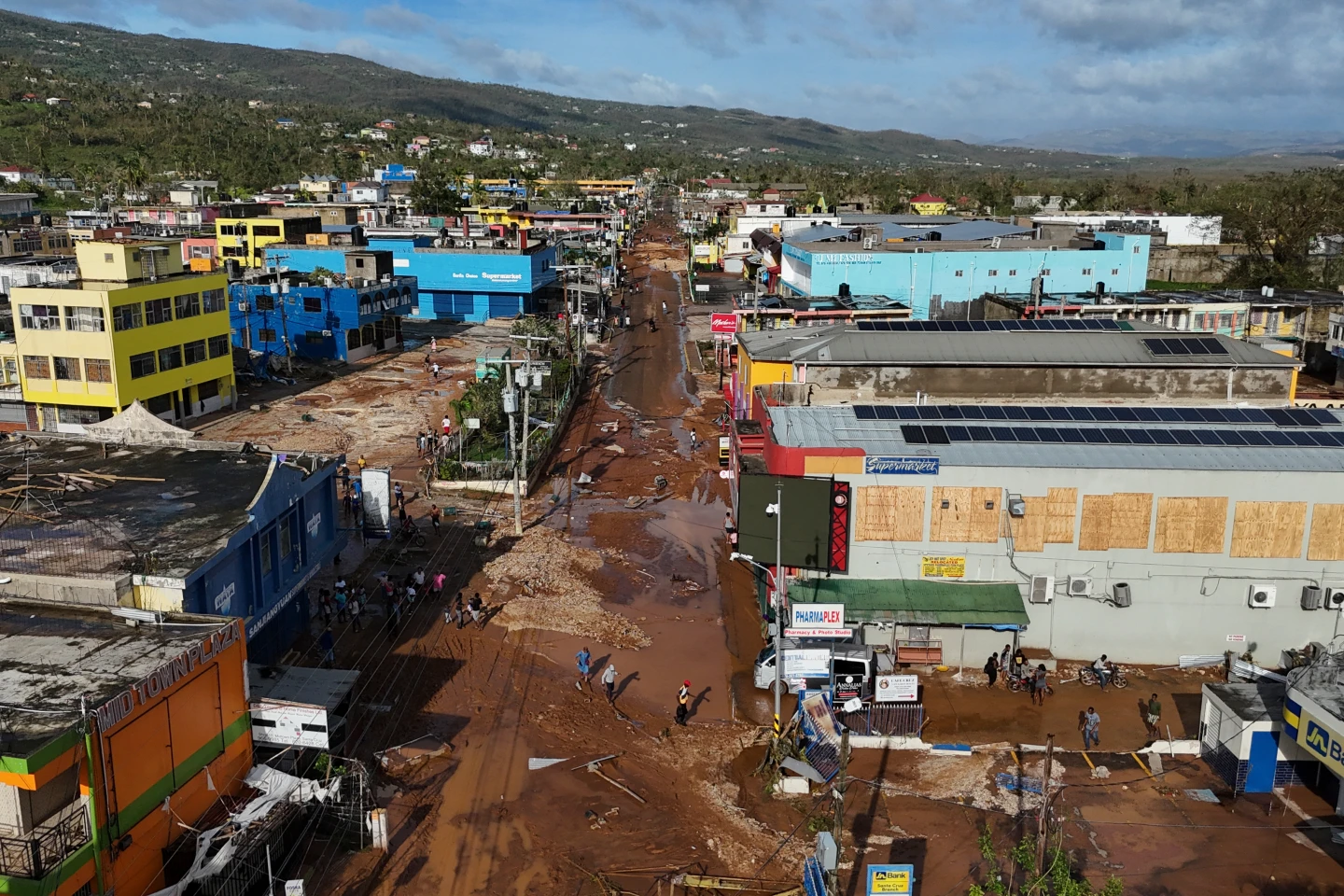
Conversely, counties across Florida’s Gulf Coast faced significant population losses attributable to hurricanes such as Helene and Milton, which ravaged the region in 2024. For example, Pinellas County lost approximately 12,000 residents, illustrating a clear link between environmental disaster and demographic shifts.
Overall, the average growth rate for metro areas reduced dramatically from 1.1% in 2024 to just 0.6% in 2025, emphasizing a broader trend of decelerating growth influenced by a combination of a declining birth rate and stricter immigration policies.
This decline in international migration underscores a growing concern among community leaders and demographers, who recognize that with natural increases dwindling, immigration is increasingly crucial to maintain population levels and catalyze growth in urban centers.
According to Kenneth Johnson, senior demographer at the University of New Hampshire, the statistical evidence suggests that migration patterns have become a decisive factor in whether areas grow or decline.
In the context of these new figures, the Census Bureau noted that nine out of ten U.S. counties recorded lower immigration numbers in 2025 compared to 2024, demonstrating a far-reaching effect of immigration policies and changes in global movement trends.