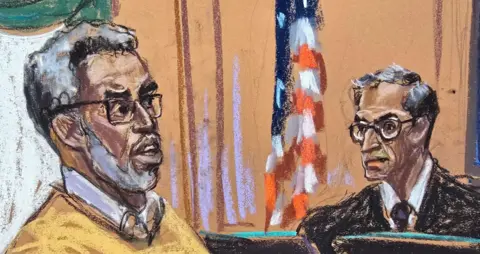
BOSTON (AP) — Pamela Smart, imprisoned for orchestrating the murder of her husband by her teenage student in 1990, is appealing her conviction citing constitutional violations.
The habeas corpus petition was filed Monday, noting the extensive media coverage that allegedly colored the trial's proceedings. Smart’s attorney, Jason Ott, stated, This petition challenges whether a fair adversarial process took place.
In the wake of rejecting a request for a sentence reduction by New Hampshire Governor Kelly Ayotte, Smart's legal team claims jurors were misled by inaccurate transcripts of recorded conversations. They maintain certain pivotal words that should not have been heard were included in the transcripts, affecting the jury's understanding.
“Modern science confirms when people are handed a script, they hear the words they are shown,” attorney Matthew Zernhelt remarked, emphasizing jurors were led to a conclusion rather than acting independently.
The lawyers also argue that the jury's verdict was unduly influenced by media coverage and incorrect instructions from the trial judge, which mandated premeditation without properly guiding jurors on evaluating evidence.
Smart, arrested as a 22-year-old high school media coordinator, had an affair with a 15-year-old who fatally shot her husband, Gregory Smart. Despite her denials of knowledge of the plot, she was convicted of being an accomplice to first-degree murder and sentenced to life without parole. Meanwhile, the shooter was paroled in 2015 after serving 25 years.
The case, notorious for its media circus and the relationship dynamics involved, inspired various works, including Joyce Maynard’s book “To Die For” and its film adaptation starring Nicole Kidman.