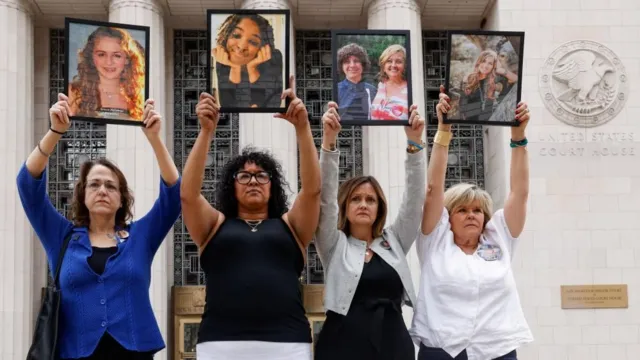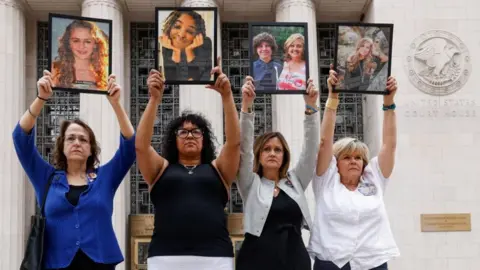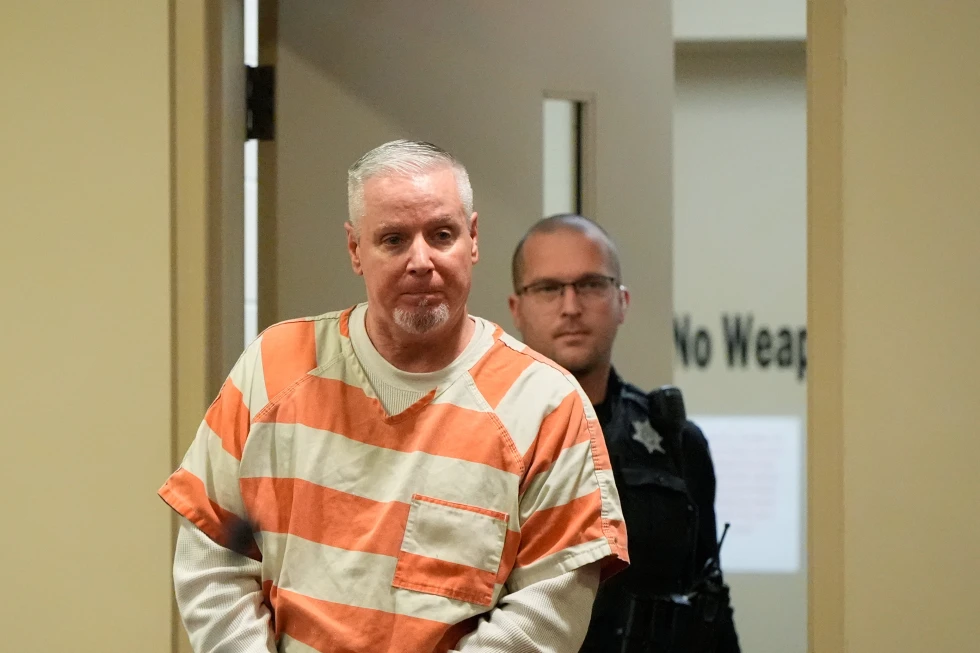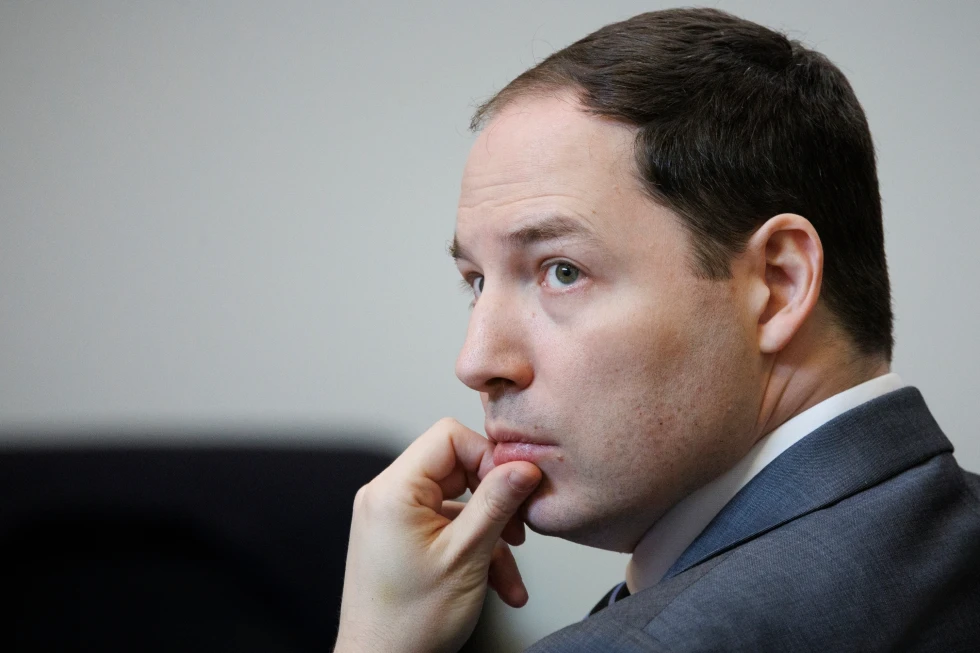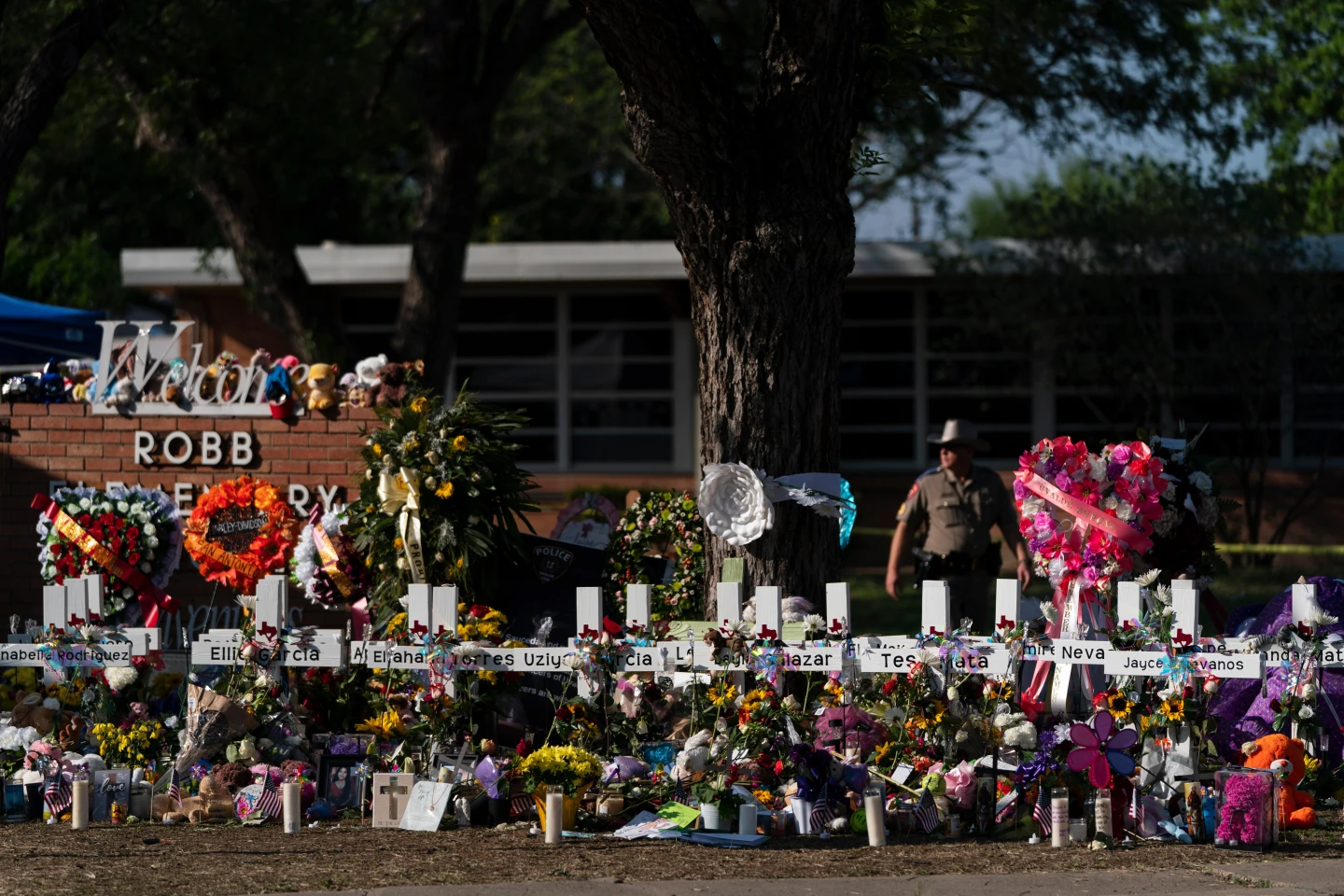
Families who lost loved ones in the horrific 2022 attack at an elementary school in Uvalde, Texas, have spent nearly four years fighting for accountability from law enforcement, specifically targeting those officers who stood by for over an hour as the shooter acted. In a rare legal twist, former Uvalde school police officer Adrian Gonzales is about to stand trial for multiple charges, including child abandonment and endangerment, igniting hope among victims’ families for some semblance of justice.
The trial, beginning Monday, represents a crucial moment for families who have faced obstacles in the fight for gun control and legal retribution following the tragedy. They felt let down by legislative efforts and are desperate for a jury’s verdict to affirm their grief and frustrations. Some parents have even run for office to advocate for change, albeit with mixed successes.
Jesse Rizo, whose niece was among the 19 children and two teachers murdered that day, expressed urgent concerns about the lengthy wait left unaddressed. It really bothers us a lot that maybe she could have lived, he shared. The legal proceedings will measure not only the actions of Gonzales but also the accountability of law enforcement amidst tragedy.
Only two of the nearly 400 officers who responded to the scene are facing charges, a reality that weighs heavily on the families. Criticism has mounted against the law enforcement response, which saw over an hour lapse before engagement with the shooter.
Prosecutors must clear high thresholds to secure a conviction. Similar cases have highlighted the difficulties juries face when evaluating police inaction. As the Uvalde community remains divided in the aftermath of the incident, unanswered questions linger about the future and the possibility of accountability. In light of failed legislative efforts for stricter gun laws, families seek resolution through civil and criminal avenues.
As the proceedings unfold, eyes will be glued to the court, challenging the boundaries of law enforcement accountability. Though the trial sits in the backdrop of a national conversation about police responses to mass shootings, local wounds remain fresh, underscoring the community’s desperate plea for justice.