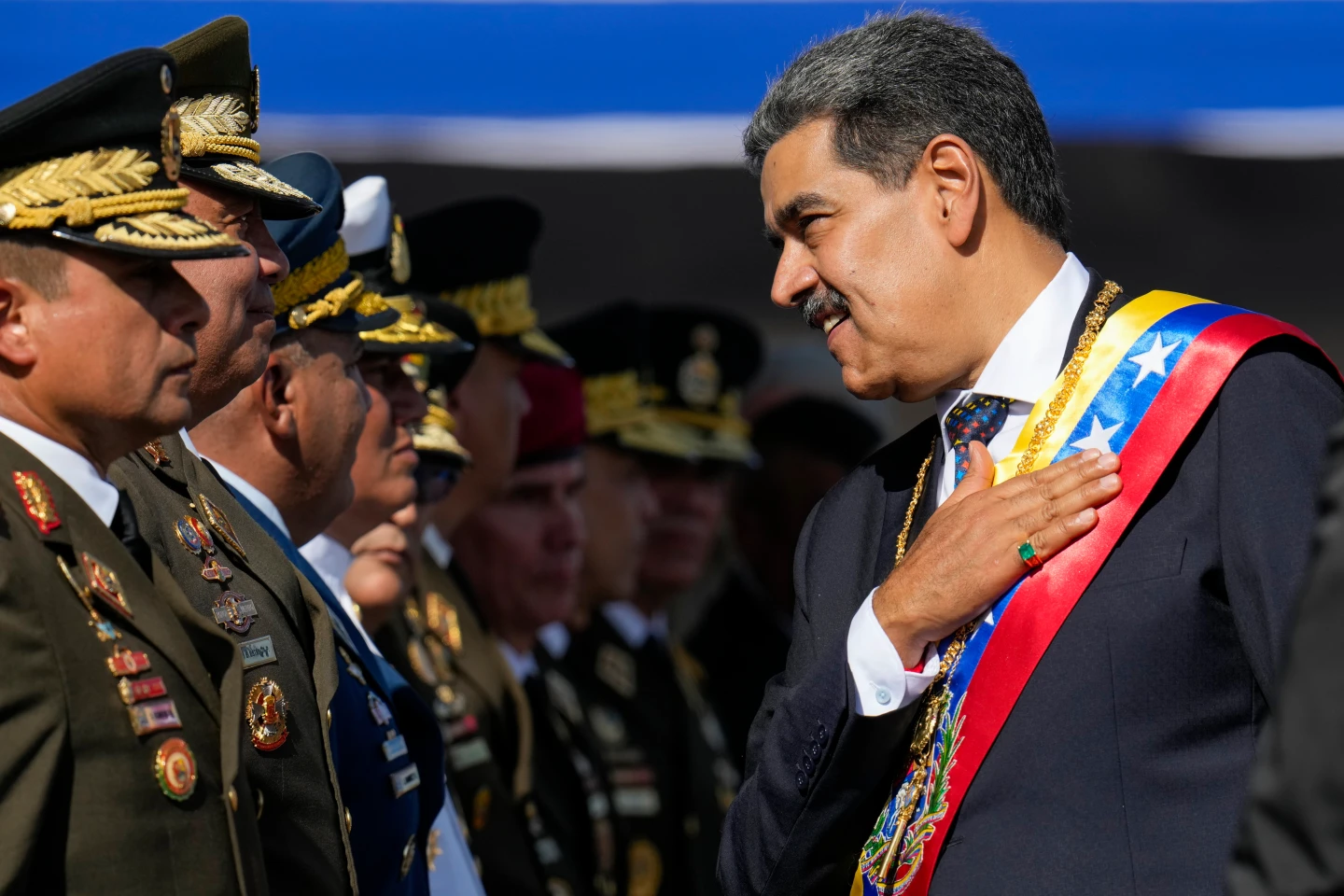
NEW YORK — In a pivotal moment for international relations and legal precedents, Nicolás Maduro, the ousted president of Venezuela, is scheduled to appear in a New York courtroom on Monday. This marks his first public legal confrontation in the U.S. in relation to serious charges of narco-terrorism.
Maduro is expected to face a judge alongside his wife, as they prepare for a significant legal battle regarding his extradition and the validity of the charges against him. His appearance will not only bring attention to Maduro's longstanding denial of drug trafficking but also to the complexities surrounding sovereignty as he attempts to assert his status as a former head of state.
The U.S. claims that Maduro was complicit in facilitating extensive cocaine shipments into their territory. The indictments include shocking allegations that he and his associates engaged in myriad violent activities to protect drug operations, including kidnappings and murders. Prosecutors describe a series of high-profile incidents involving local drug lords in Caracas, painting a chaotic picture of a regime tied deeply to criminal enterprises.
Legal experts are waiting to see how the court will navigate the argument of sovereign immunity, a defense famously attempted by Manuel Noriega during similar circumstances. Maduro's team is expected to assert that he cannot be prosecuted due to his past presidential role, yet the U.S. government disputes this, having declared him illegitimate following a contested 2024 election.
As Maduro and his legal team bracingly face the courtroom, Delcy Rodríguez, Venezuela's interim president, has urged for her predecessor's return, simultaneously branding U.S. motivations as largely centered around Venezuela's rich oil resources. This highlights the geopolitical stakes in the ongoing saga as both nations prepare for potential repercussions that could ripple through global diplomatic channels.
Maduro's case is emblematic of broader concerns regarding drug trafficking and political conflict within Latin America, prompting international scrutiny as other nations weigh in on the crisis that has plagued Venezuela over the past few years. The outcome of this trial could set a profound precedent for diplomatic relations and legal jurisdiction regarding actions taken by foreign leaders.
As the unfolding legal process progresses, many will be closely watching the courtroom drama that underscores the tense and complex ties between the U.S. and Venezuela, with ramifications likely extending beyond national borders.