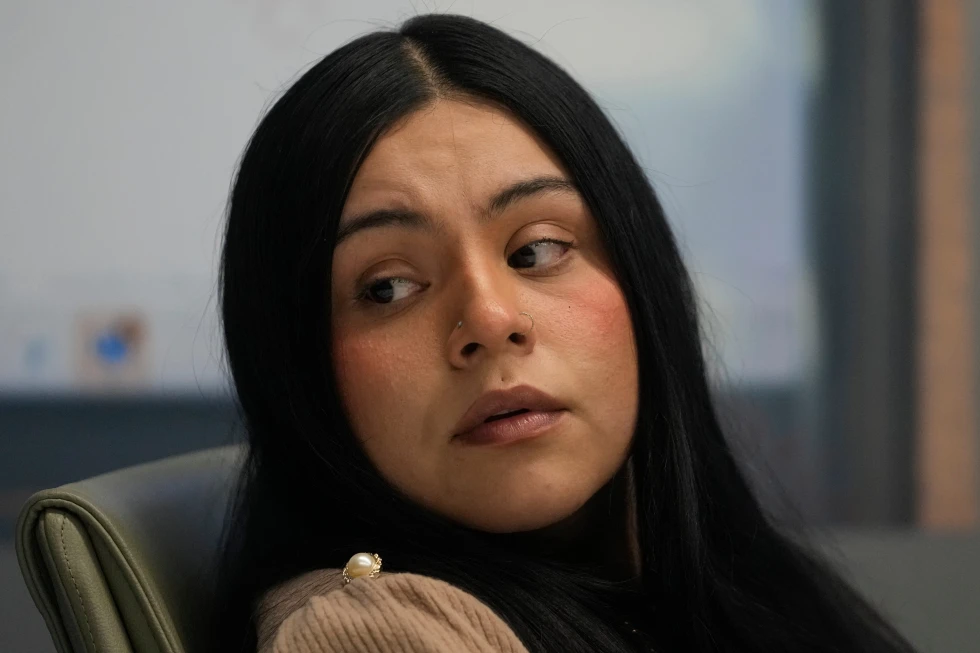
Leqaa Kordia, a Palestinian woman who has been detained in an immigration jail for nearly a year after participating in a protest in New York City, reported suffering a seizure following a fainting incident last week, which she attributes to the filthy and inhumane conditions within the privately run detention center.
Kordia, 33, was hospitalized for three days due to the seizure, marking her first experience with such a medical episode. She has since returned to the Prairieland Detention Facility in Texas, where she has been held since last March.
In a statement issued through her attorneys, Kordia reported being shackled during her entire hospitalization, denied communication with her family, and unable to meet with her legal representatives.
For three days in the emergency room, my hands and legs were weighed down by heavy chains as they drew my blood and administered medications, Kordia recounted. I felt like an animal. My hands are still full of marks from the heavy metal. Her medical team has indicated that a combination of insufficient nutrition, lack of sleep, and overwhelming stress may have contributed to her seizure.
Kordia's family has expressed concern over her health after she lost 49 pounds during her imprisonment, partly due to the detention center's failure to provide food that respects her religious dietary requirements.
Kordia describes life in the detention facility as a constant struggle for access to food, medics, and basic rights, underscoring issues within the privatized immigration system that prioritize profit over humane treatment. I've been here for 11 months, and the food is so bad it makes me sick, she said.
Department of Homeland Security spokesperson Tricia McLaughlin did not respond to queries from news outlets but insisted to the New York Times that Kordia was receiving acceptable medical care.
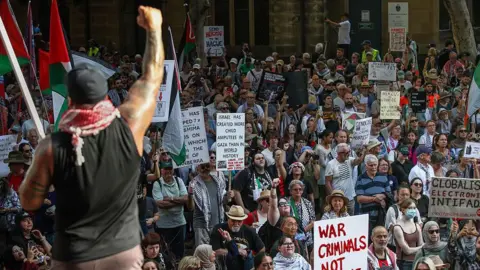
A resident of New Jersey with roots in the West Bank, Kordia was among approximately 100 individuals detained after protests outside Columbia University in 2024. Although her charges were dismissed, her information was passed to the Trump administration by the New York police department under the guise of a money laundering investigation.
Last year, Kordia was among the early arrests in an extensive crackdown on pro-Palestinian activism by the Trump administration. Currently, she remains the only detainee from that initiative.
Despite a lack of formal charges and two immigration judges recommending her release, federal officials continue to challenge her release through appeals, contributing to a protracted legal battle.
Kordia, whose arrest followed a March 13 check-in with U.S. Immigration and Customs Enforcement, maintains her opposition to the conditions that prompted her protest actions, including military aggression against her homeland. My way of helping my family and my people was to go to the streets, she stated the Associated Press.
While federal authorities claim she overstayed her visa and scrutinize financial transactions she made to family in the Middle East, Kordia asserts these transfers were humanitarian aid. A ruling from an immigration judge expressed overwhelming evidence supporting her credibility and intentions.
Kordia harshly criticized the conditions of the Prairieland Detention Facility, claiming it was designed to break the spirits and health of detainees. She emphasized, The best medicine for me and everyone else here is our freedom.