NEW YORK (FluxDaily) — A significant breakthrough has occurred in the ongoing struggle between nurses and hospital systems in New York City as a tentative agreement has been reached, effectively ending a nearly month-long strike. This decision comes after extensive negotiations surrounding critical issues including staffing levels, workplace safety, health insurance, and other workplace concerns.
The agreement is set to impact approximately 10,500 nurses across the Montefiore and Mount Sinai hospital systems. Although this deal has come to fruition, strikes continue at NewYork Presbyterian, where nurses have not yet reached an agreement.
The nurses' strike, which began on January 12, was particularly urgent given the strain of the ongoing flu season that has forced these major hospitals to depend heavily on temporary nursing staff.
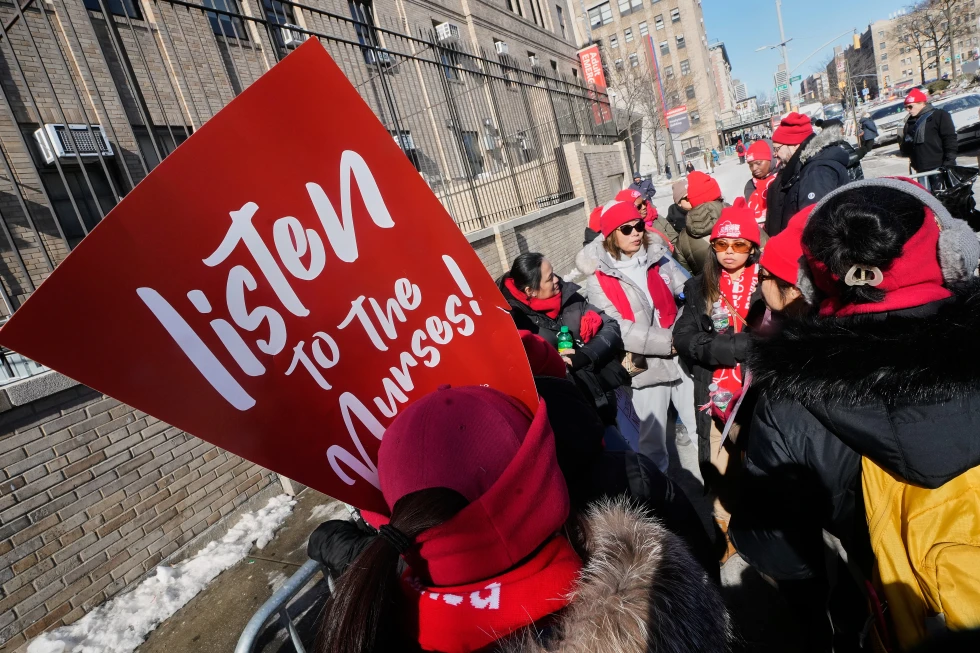
Nancy Hagans, president of the New York State Nurses Association, expressed pride in the commitment shown by the nurses during the strike, stating, For four weeks, nearly 15,000 NYSNA members held the line in the cold and in the snow for safe patient care. Now, nurses at Montefiore and Mount Sinai systems are heading back to the bedside with our heads held high.”
The tentative contract includes a 12% pay increase over the agreement's duration and maintains nurses’ health benefits without additional out-of-pocket expenses. Furthermore, the union highlighted the introduction of new workplace protections, addressing violence against staff and patients, including specific provisions for transgender and immigrant individuals.
A voting process among nurses for the tentative agreement will take place this week. Should the contracts be ratified, nurses are expected to return to work on Saturday.
On the other hand, NewYork Presbyterian has recently accepted proposals from mediators that include notable pay raises, preservation of nurses’ pensions, safeguarding their health benefits, and improving staffing levels. Nonetheless, the strike remains active at those hospitals until a final resolution is reached.
The involved hospitals have claimed that operations have remained smooth during the strike, with critical procedures like organ transplants and cardiac surgeries continuing without significant interruption, although scheduled surgeries were canceled and some patient transfers took place in anticipation of the strike.
A key demand from the nurses has been increased staffing, as they argue that overworked conditions have become untenable. Recent incidents involving hospital violence have escalated concerns regarding workplace safety, which the new agreements aim to mitigate. Notably, the ongoing demands have been met with some resistance from hospital executives, who argue that the financial burdens associated with staffing and salaries are excessive.
The resolution of this strike represents just one chapter in a broader narrative of labor rights and healthcare equity in New York, with implications for the future of nursing and patient care standards across the healthcare system.