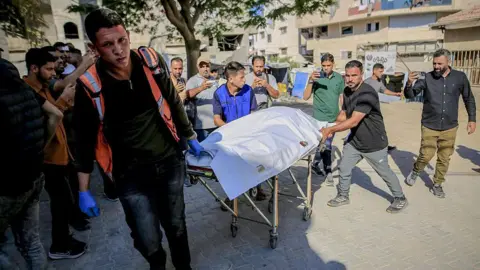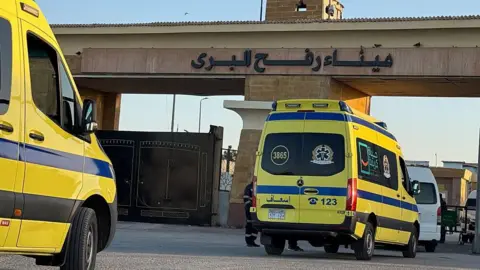
Only a few sick and wounded Palestinians from Gaza arrived in Egypt after the Rafah border crossing reopened for the movement of people. The crossing has largely been closed since the Gazan side was captured by Israeli forces in May 2024.
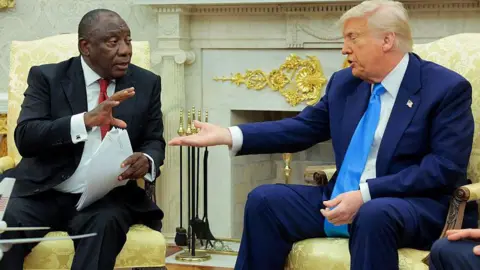
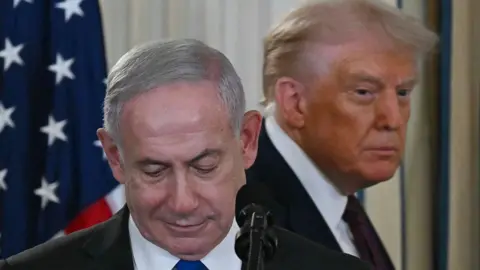
The reopening was supposed to occur during the first phase of US President Donald Trump's ceasefire plan between Israel and Hamas, which began in October. However, Israel blocked it until the return of the body of the last Israeli hostage, which happened last week.
While it brings relief to many Palestinians who see it as a lifeline, frustration has surfaced due to the limited number of people allowed to cross and no goods allowed through. Reports indicate around 20,000 sick and wounded Palestinians are awaiting treatment outside Gaza.
In a restricted operation, only 50 patients will be allowed to exit each day, accompanied by one or two relatives, while an equal number who had previously left will be allowed to return. Unfortunately, only five patients and seven companions crossed on the first day, highlighting the ongoing challenges.
Local hospitals and the World Health Organization (WHO) report high numbers waiting for treatment, with 150 hospitals and 300 ambulances in Egypt prepared to receive them.
The Rafah crossing will operate under the supervision of the European Union Border Assistance Mission and local Palestinian staff, with stringent security checks maintained remotely by Israel.
Palestinian officials have expressed hope that this reopening will reconnect Gaza to the world, while international leaders have acknowledged it as a step towards a broader peace process. However, critics insist that much more needs to be done for aid to flow freely into Gaza, which remains under severe restrictions.